
Looking good on the trail doesn’t mean sacrificing comfort or performance. A cute hiking outfit balances style with technical features like moisture-wicking fabrics, sun protection, and weather resistance, proving you can feel confident and stay safe on any adventure.
The outdoor apparel landscape has shifted dramatically. Gone are the days when functional hiking gear meant shapeless, drab clothing. Today’s hikers expect their wardrobes to perform on steep switchbacks and look equally good at coffee stops afterward. REI’s Trailmade collection exemplifies this evolution, offering affordable pieces with fast-dry materials, UPF fabrics, and waterproofing in sizes from XS to 3X, plus tall and petite options. These versatile items transition seamlessly from trail to town, a feature that’s become non-negotiable for modern outdoor enthusiasts.
Current trends lean into relaxed fits, with baggy hiking pants dominating trailheads this season. But the real magic happens in thoughtful layering and mixing technical pieces with your personal style preferences. Whether you’re drawn to earthy neutrals or vibrant colors, the foundation remains the same: moisture management, temperature regulation, and protection from the elements.
This guide breaks down exactly what belongs in your hiking wardrobe, from base layers to outerwear, and how to combine pieces for different conditions and trail types. You’ll get specific product categories to prioritize, budget-friendly options that don’t compromise on performance, and outfit formulas that work across seasons. The goal is simple: helping you build a collection that makes you excited to hit the trail while keeping you comfortable mile after mile.
Why Style Matters on the Trail (and How It’s Changed)
The outdoor apparel industry has undergone a transformation over the past few years, finally catching up to what hikers have wanted all along: gear that performs without looking purely utilitarian. Gone are the days when you had to choose between technical fabrics and pieces you’d actually want to wear beyond the trailhead. Modern hiking fashion embraces the reality that today’s outdoor enthusiasts want clothing versatile enough for a morning hike followed by coffee in town, without requiring a complete wardrobe change.
This shift reflects a broader cultural change in who hikes and how they approach the outdoors. Social media has certainly played a role, but the real driver is practicality. When your hiking outfit looks good enough to wear all day, you’re more likely to squeeze in that sunrise hike before work or hit the trail on your lunch break. Confidence in how you look translates directly to more time outside, which matters far more than any Instagram photo.
Current trends reflect this dual-purpose thinking. Baggy hiking pants have become ubiquitous in 2026, offering both comfort and style while maintaining the technical features serious hikers need. Collections like REI’s Trailmade line exemplify this balance, combining fast-dry materials, UPF protection, and waterproofing with cuts and colors attractive enough for the taproom. With sizing from XS to 3X plus tall and petite options, brands are finally acknowledging that hikers come in all shapes and want gear that fits well and looks intentional, not like an afterthought.
Essential Components of a Cute Hiking Outfit
Base Layers and Tops
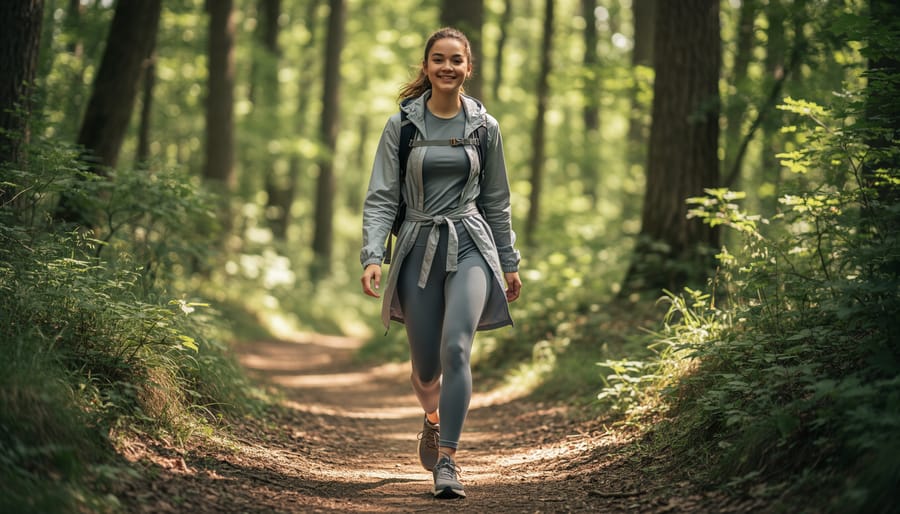
Your base layer sets the foundation for both comfort and style on the trail. A good hiking top needs to wick moisture away from your skin while looking sharp enough that you’ll actually want to wear it, whether you’re tackling switchbacks or grabbing coffee afterward.
Moisture-wicking tees are the workhorses of any hiking wardrobe. Look for synthetic blends or merino wool rather than cotton, which stays soggy and causes chafing. The best options dry fast even when you’re sweating through elevation gain, keeping you comfortable instead of clammy. Modern cuts have moved beyond boxy athletic fits, you can find tailored styles that flatter without restricting movement.
Long-sleeve tops with built-in UPF protection do double duty, shielding you from sun damage while eliminating the need to constantly reapply sunscreen on your arms. These work particularly well for shoulder-season hikes when mornings start cool but afternoons warm up. Lightweight fabrics with thumb holes add a sporty detail that’s both functional and stylish.
Tank tops offer maximum breathability for hot-weather hikes, though you’ll want to pair them with good sunscreen. When shopping for any hiking top, prioritize these features:
- UPF rating of 30 or higher for sun protection
- Fast-dry fabrics like polyester, nylon, or merino wool
- Fit that allows full range of motion without excess fabric
- Colors and cuts you’d wear off the trail
Don’t shy away from patterns or colors that make you smile. Solid earth tones are classic, but a bold print or jewel tone can elevate your whole outfit while photographing beautifully against natural landscapes. The key is choosing performance fabrics first, then selecting the styles that reflect your personality.
Bottoms That Work
The right bottoms can make or break your hiking outfit, both functionally and aesthetically. For 2026, you’ll find more options than ever that actually fit real bodies and look great doing it.
Baggy hiking pants are having a moment right now, and for good reason. They offer unrestricted movement, better airflow on warm days, and a relaxed silhouette that feels current without looking sloppy. Look for pairs with adjustable waists and tapered ankles to maintain a flattering shape while keeping fabric away from muddy trail conditions. These work especially well for hikers who’ve felt constrained by the skin-tight leggings that dominated outdoor fashion for years.
Traditional hiking pants haven’t disappeared, though. Modern versions feature technical fabrics with four-way stretch that move with you during steep climbs and scrambles. Waterproofing technology has advanced significantly, with many pants now offering weather protection without the stiff, crinkly feel of older designs. This means you can stay dry without looking like you’re wrapped in plastic.
Shorts and skorts provide excellent warm-weather alternatives. Today’s hiking shorts come in various inseam lengths, from short styles that show off strong legs to longer cuts that prevent chafing on extended hikes. Skorts combine the coverage of shorts with a feminine aesthetic that many hikers prefer, and they’re no longer limited to tennis courts or golf courses.
Sizing inclusivity has improved dramatically. Collections now regularly offer XS to 3X sizing, with dedicated tall and petite inseam options that actually fit properly instead of bunching at the ankles or stopping mid-calf. This means you can find bottoms that flatter your specific proportions while delivering the performance you need on technical terrain.
Layering Pieces and Outerwear
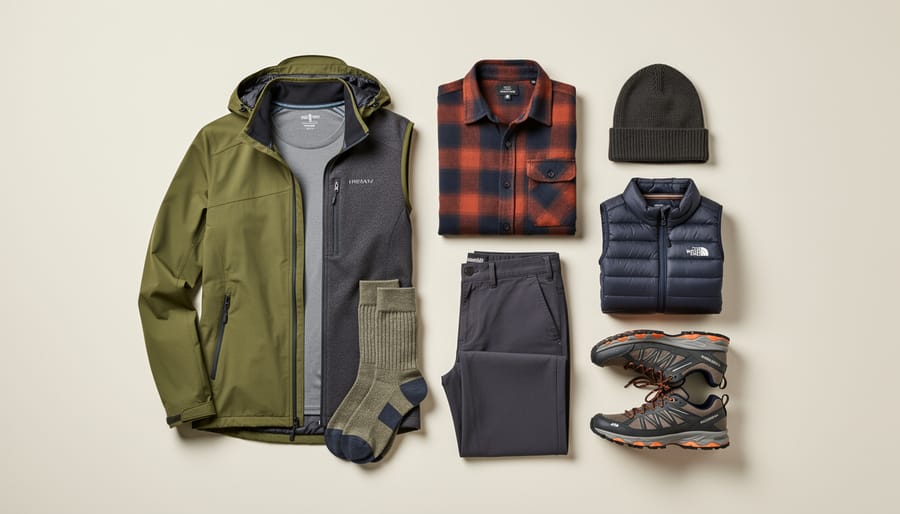
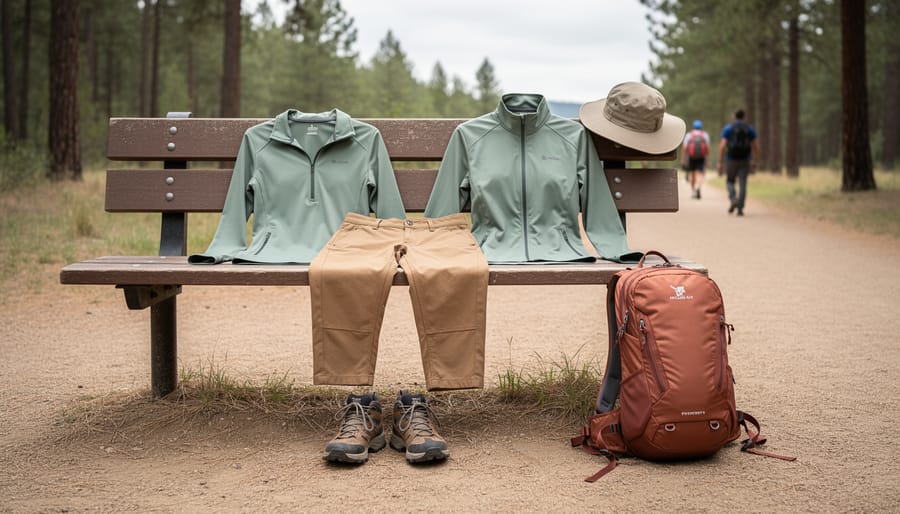
The right layering pieces transform a basic hiking outfit into one that handles temperature swings without looking like you raided a camping supply closet. A lightweight fleece pulls double duty as a warmth layer and a style statement, look for cropped or oversized fits in colors beyond standard navy and grey. Quarter-zips add visual interest and let you adjust ventilation on the fly.
For unpredictable weather, a packable windbreaker or rain shell gives you coverage that stuffs into your pack when the sun comes out. Choose one in a bold color or subtle pattern rather than plain black; it’ll photograph better and actually get worn off the trail too. Modern shells use technical fabrics that breathe while blocking wind and light rain, so you’re not choosing between comfort and protection.
Mid-weight synthetic jackets work beautifully for shoulder-season hikes, offering warmth without bulk. The key is selecting pieces that layer smoothly over your base without restricting movement or creating lumpy silhouettes. A well-cut jacket in a flattering length makes your whole outfit look more intentional, even when you’re just wearing it over a tee and hiking pants. Prioritize pieces that earn their spot in your pack by performing well and looking good enough to keep wearing once you reach your destination.
Footwear and Accessories
Your shoes set the foundation for both comfort and style on the trail. Merrell hiking shoes and similar trail runners offer sleek profiles that pair well with modern hiking pants, while traditional boots work beautifully with skorts or shorts. Choose colors that complement rather than perfectly match your outfit, earth tones, grays, and muted greens create cohesion without looking overly coordinated.
Accessories pull everything together. Hiking caps protect your face while adding personality through color or pattern. Sunglasses serve double duty as eye protection and style statement. Your backpack becomes part of the outfit too, so consider how its color and shape interact with your clothing. The goal isn’t matching sets but a pulled-together look where each piece serves its purpose while contributing to an overall aesthetic you feel good wearing.
Building Outfits for Different Conditions
Spring and Summer Looks
Warm-weather hikes call for breathable fabrics that wick moisture while protecting you from the sun. Start with a lightweight tank or short-sleeve tee in UPF fabric, these keep you cool without sacrificing coverage. Pair it with shorts or a hiking skort that hits mid-thigh, allowing airflow while preventing chafing. Fast-dry materials are essential when you’re working up a sweat or encounter unexpected creek crossings.
Baggy hiking pants remain popular in 2026, offering sun protection for your legs while creating a relaxed, stylish silhouette that works both on the trail and around town afterward. Look for versions with moisture-wicking properties and articulated knees that allow natural movement without feeling restrictive.
For variable spring conditions, add a lightweight long-sleeve button-up you can tie around your waist when temperatures climb. Choose light colors that reflect heat and showcase patterns or textures that hide trail dust. A wide-brimmed hat and polarized sunglasses complete the look while shielding your face from UV exposure. The key is selecting pieces that handle temperature swings without requiring constant outfit changes, keeping you comfortable from morning fog to midday sun.
Cooler Weather Style
Cooler temperatures don’t mean boring outfits. Start with a fitted moisture-wicking base layer as your foundation, then add a mid-weight fleece in a rich jewel tone or earth shade that complements your bottoms. Quarter-zips work particularly well here since you can adjust ventilation as you warm up on ascents, and the collar detail adds visual interest without bulk.
Your outer layer becomes the statement piece. Look for lightweight insulated jackets or softshell options in patterns or colors that contrast with your mid-layer. A rust-colored fleece under a navy shell, or sage green paired with deep burgundy, creates dimension that photographs beautifully on those golden-hour fall hikes.
For bottoms, consider layering lightweight leggings under your favorite hiking pants when temperatures really drop. This gives you flexibility to shed a layer if conditions change mid-hike. Finish with a beanie in a complementary shade and lightweight gloves that you can stuff in your pack once you’re moving. The key is building depth through layers rather than one bulky coat, letting you regulate temperature while maintaining a pulled-together look.
Rainy Day Ready
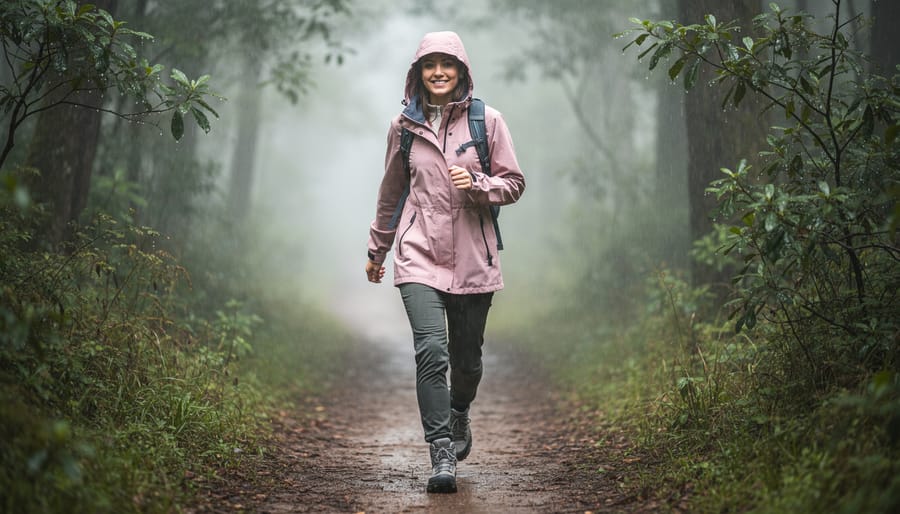
Rain doesn’t mean sacrificing style. Modern water proof jackets have evolved far beyond bulky, plasticky shells that scream “purely functional.” Look for options with tailored cuts, interesting colorblocking, or subtle patterns that add visual interest while keeping you dry. The key is choosing pieces that fit well without being restrictive, and in colors or patterns that complement the rest of your hiking wardrobe rather than clashing with it.
Pair your waterproof layer with quick-dry bottoms and moisture-wicking base layers so you’re comfortable even if conditions stay damp all day. A sleek packable rain jacket in a versatile neutral or a bold accent color can actually elevate your trail look while serving its protective purpose. The best rainy-day outfit is one that keeps you confident and dry enough to enjoy the hike, not one that has you counting down minutes until you can change.
Affordable Options Worth Your Investment
You don’t need to drop hundreds of dollars to build a hiking wardrobe that performs well and looks great. The REI Trailmade collection exemplifies what smart, affordable hiking apparel should deliver: versatile pieces built with fast-dry materials, UPF fabrics, and waterproofing that transition seamlessly from trail to taproom. With sizing from XS to 3X plus tall and petite pant options, the collection proves that inclusive, functional gear doesn’t require a premium price tag.
When you plan a hiking trip investing in a few quality core pieces beats buying a closet full of cheap gear that won’t last past one season. Focus on bottoms with reinforced seams and moisture-wicking tops that layer well. The current popularity of baggy hiking pants means you can find comfortable, flattering fits without sacrificing mobility or protection.
Spring collections often deliver the best value because manufacturers design them to work across variable conditions. A lightweight, water-resistant jacket that packs small, moisture-wicking tees that dry fast, and pants with UPF protection give you flexible outfit-building blocks. Look for neutral base colors that mix easily, then add personality through patterned layers or accent pieces. The goal is building a small rotation of reliable items that inspire you to get outside more often, not accumulating gear that sits unused because it only works in perfect weather or specific settings.
Styling Tips from the Trail
The best hiking outfits start with a simple principle: choose one statement piece and let everything else support it. If you’re wearing patterned leggings or those popular baggy hiking pants, pair them with solid-colored tops in complementary tones. This creates visual interest without looking chaotic on the trail.
Stick to a cohesive color palette of three to four colors maximum across your entire outfit, including your pack and hat. Earth tones like olive, terracotta, and sand naturally coordinate with most technical fabrics, while pops of brighter shades add personality without clashing. Avoid head-to-toe matching, which reads more costume than curated style.
Pay attention to proportions when combining pieces. Fitted tops balance looser bottoms beautifully, while cropped layers over longer base layers add dimension. Make sure your outerwear doesn’t swallow your frame. Jackets should allow movement without excess fabric bunching at your elbows or riding up your back when you reach for holds.
Consider how your outfit photographs in natural light, since most hikers snap summit shots. Dark colors minimize dirt and sweat marks, while lighter tones catch golden hour beautifully but show every speck of trail dust.
The biggest pitfall is prioritizing looks over function. Never sacrifice proper hiking essentials like moisture-wicking fabrics or sun protection just because something photographs well. Your outfit should encourage you to hike longer and more comfortably, not cut trips short because your cute shorts are chafing or your trendy boots gave you blisters two miles in.
The trail is calling, and there’s no reason your wardrobe should hold you back from answering. Building a cute hiking outfit isn’t about compromising on performance or safety. It’s about finding pieces that work as hard as you do while making you feel confident and ready for adventure. When you love what you’re wearing, you’re more likely to lace up those boots and head outside, whether it’s a quick morning loop or an all-day trek.
Your hiking wardrobe should reflect who you are, not just what the gear aisle dictates. Mix functional fabrics with styles that make you smile. Choose colors and fits that feel right. The best hiking outfit isn’t the one that looks perfect in photos. It’s the one that inspires you to hit the trail again and again.