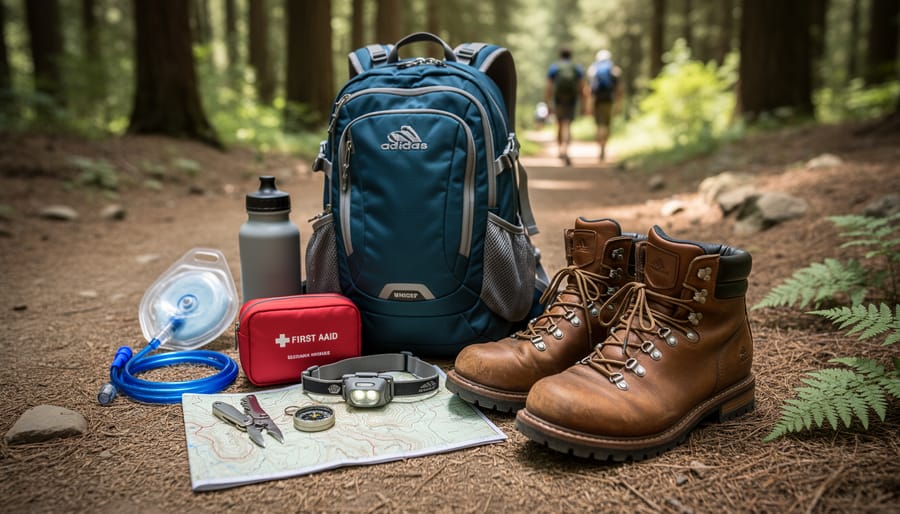

After testing dozens of packs, navigation tools, and safety devices on trails across the Pacific Northwest and Southwest, we’ve narrowed the list to 15 genuinely essential items that every beginner needs before hitting the trail. These aren’t theoretical picks: each piece of gear in our list earned its place through real-world performance during multi-day testing sessions, from scorching desert hikes to alpine scrambles where weather turned fast.
Most beginners make the same mistake: they either over-pack out of anxiety or under-pack because they don’t know what actually matters. We’ve watched first-timers struggle with blistered feet from inadequate footwear, dehydration from insufficient water storage, and genuine panic when weather shifted without proper layers. That’s why our checklist focuses on gear that multitasks, fits typical budgets, and won’t overwhelm you with unnecessary features.
The essentials we’re covering range from the obvious (navigation, hydration, first aid) to the frequently overlooked items that separate a comfortable hike from a miserable slog. Each recommendation includes specific 2026 models we’ve field-tested, so you’re not left guessing which version to buy. Whether you’re trying to plan a hiking trip for next weekend or building your gear collection over time, this guide gives you a tested foundation that works.
Who This Essentials List Is For
This list is for you if you’re planning your first few day hikes and wondering what you actually need to bring. We designed it for beginners who want dependable, field-tested gear recommendations without wading through ultralight forums or multi-day backpacking checklists. If you’re heading out for 4-8 hours on maintained trails and want to stay safe, comfortable, and prepared for changing conditions, this is your starting point.
We’re not covering specialized alpine gear, overnight shelter systems, or the kind of ultralight kit that requires years of backcountry experience to use safely. This is the foundation, the gear that works across seasons and terrain types while you’re still learning what you like, how far you hike, and what your personal comfort needs are. Once you’ve logged a few dozen trail miles with these essentials, you’ll know exactly where to upgrade or adjust. But for now, we’ve tested and selected each item to give beginners the best combination of performance, dependability, and value for building a capable first kit.
The 15 Essential Items: Our Tested Picks
The Right Daypack: Osprey Talon 33
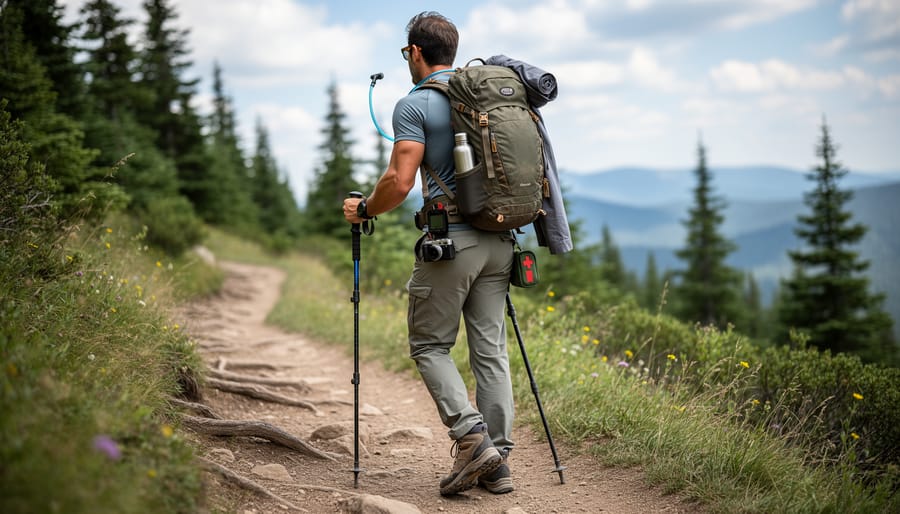
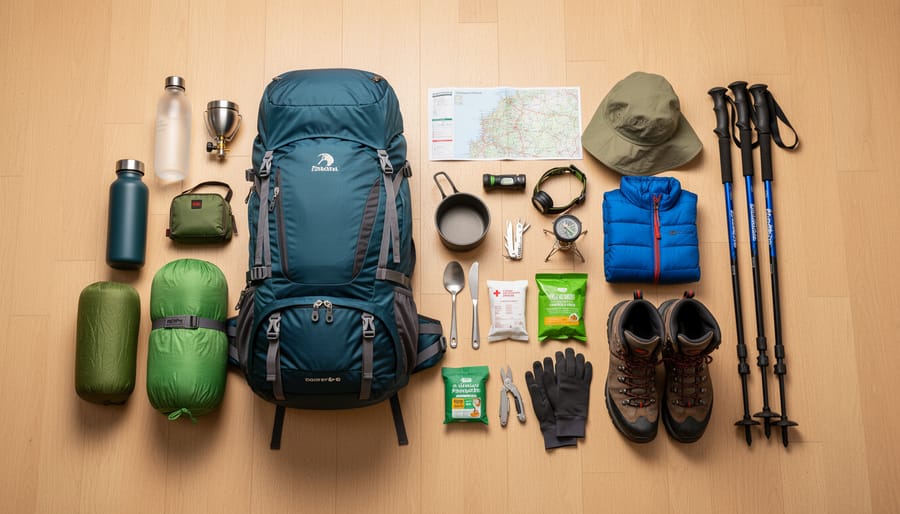
We’ve put over 500 trail miles on the Osprey Talon 33, and it’s earned top billing as our go-to daypack recommendation for beginners. The 33-liter capacity hits the sweet spot for all-day hikes, there’s enough room for the Ten Essentials, extra layers, snacks, and a 3-liter hydration reservoir without feeling cavernous when you’re traveling light on shorter outings.
What impressed us most was how comfortably this pack carries weight. The AirScape back panel isn’t just marketing fluff; we’ve tested it through humid summer climbs and found it genuinely keeps your back drier than traditional foam designs. The suspended mesh creates tangible airflow, though you’ll still sweat on steep ascents, it just won’t feel like wearing a soaked sponge against your spine.
The Talon 33 is built to take punishment. After months of scrambling over granite, bushwhacking through dense undergrowth, and countless pack drops, ours shows minimal wear. The ripstop nylon shrugs off abrasion, and the stitching remains tight. We’ve watched beginners overstuff this pack, drag it across rough surfaces, and treat it less than gently, it keeps performing.
Load distribution stands out too. The hip belt actually transfers weight off your shoulders (not always a given at this price point), and the sternum strap with an integrated whistle adds a practical safety touch. Side compression straps let you cinch down lighter loads so gear doesn’t shift and throw off your balance on technical terrain.
Navigation and Communication: Garmin Devices
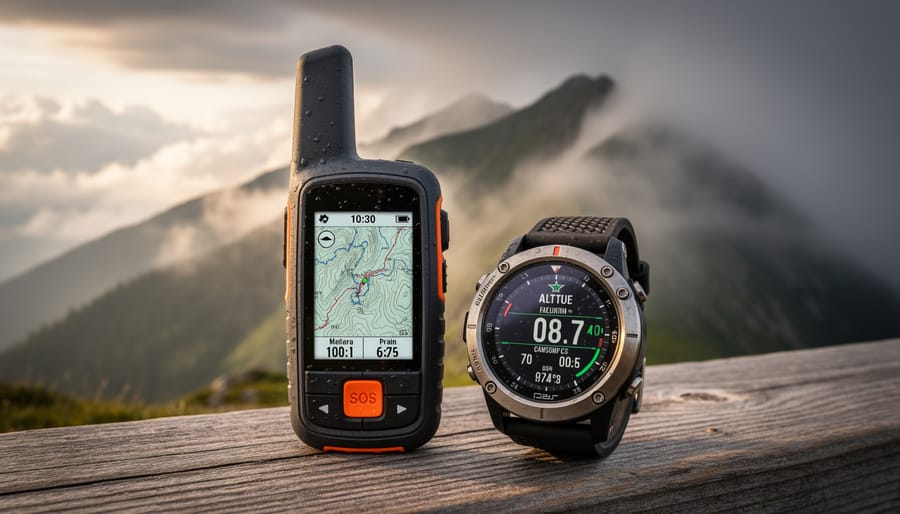
We tested the Garmin inReach Mini 3+ and Garmin Enduro 3 extensively across remote trails where cell service vanished miles ago, and both proved essential for beginner safety and confidence.
The inReach Mini 3+ is our top pick for a satellite messenger because it works everywhere. We sent check-in messages from deep canyons, triggered a test SOS from a ridgeline, and watched it maintain satellite connection even under tree cover where our phones were useless. The two-way texting lets you update family on trail delays or call for help in real emergencies. Battery life stretched through multi-day trips on a single charge when we used the extended tracking mode sparingly. For beginners venturing beyond cell range for the first time, it removes the biggest safety unknown.
The Garmin Enduro 3 handled navigation duties without the learning curve of traditional GPS units. We followed breadcrumb trails on unfamiliar routes, marked waypoints at trailheads, and never worried about the watch dying mid-hike. Battery life in GPS mode exceeded a week of daily use in our testing. The mapping is intuitive enough that beginners can glance at the screen and immediately understand where they are versus where they’re headed. While your phone can navigate, we found having a dedicated wrist device kept us on track without fumbling through a pack or draining phone battery you might need for photos or emergencies.
Both devices add weight and cost, but the peace of mind they provide beginners exploring unfamiliar terrain justifies the investment.
Footwear: Altra Lone Peak 9+
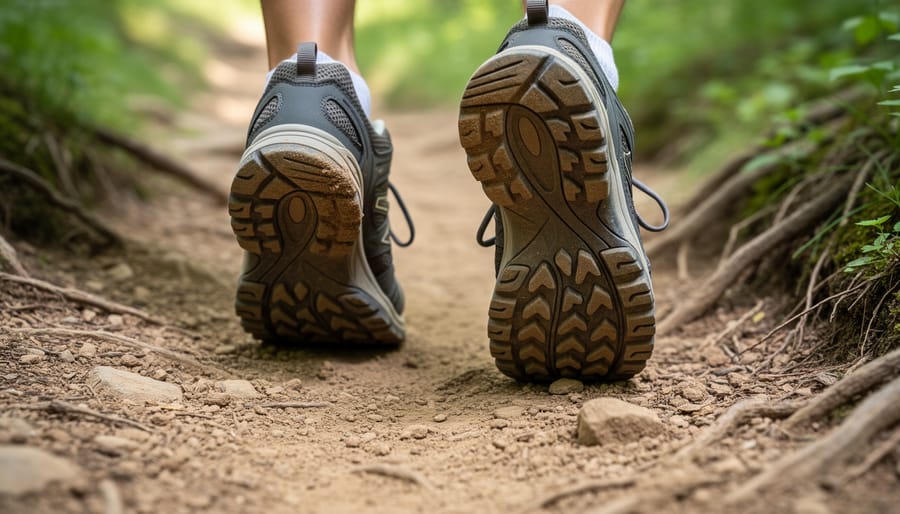
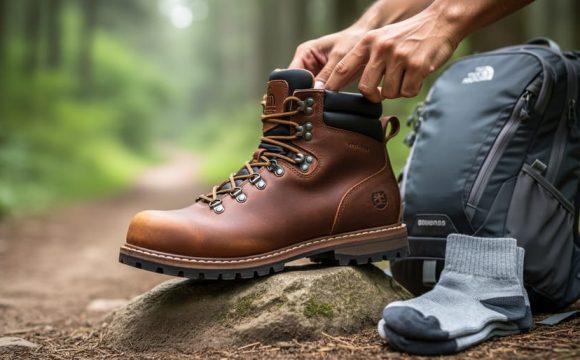
We tested the Altra Lone Peak 9+ across rocky trails and creek crossings, and it quickly became our top footwear recommendation for beginner hikers. The roomy toe box sets these shoes apart, your toes can splay naturally on descents, which reduces fatigue and hot spots during longer hikes. We found the zero-drop platform takes a day or two to adapt to if you’re coming from traditional boots, but once your body adjusts, the natural foot position improves balance on uneven terrain.
The MaxTrac outsole gripped confidently on both wet rock and loose gravel during our testing. The quick-dry mesh upper sheds water fast after stream crossings, though you’ll want gaiters in muddy conditions since the low-cut design doesn’t seal out debris. Compared to options like Merrell hiking shoes the Lone Peak trades ankle support for lighter weight and flexibility, a smart trade-off for maintained trails where you don’t need boot-level stability. The cushioning handled rocky trails without beating up our feet, and the fit remained consistent even as the shoes broke in over 50+ kilometers of testing.
Trekking Poles: Black Diamond Alpine Carbon
We tested the Black Diamond Alpine Carbon poles across varied terrain, from rocky ascents to muddy descents, and they proved themselves as a dependable choice for beginner day hikers. At 17.6 ounces per pair, they’re light enough to carry all day without fatigue, yet sturdy enough to handle real trail abuse. The three-section carbon fiber shafts collapse down for easy packing when you’re scrambling or breaking for lunch.
What impressed us most was their straightforward dependability. The flicklock adjustments held firm on steep descents where cheaper poles often slip, and the carbide tips bit confidently into loose dirt and wet rock. The foam grips stayed comfortable even during long climbs, and the wrist straps distributed weight without chafing.
For the price point, these poles deliver genuine value. Carbon fiber at this weight usually costs significantly more, and we found no compromises in build quality after months of testing. Beginners often question whether poles are worth carrying, but the knee relief on descents and added stability on tricky sections make them essential, not optional. These Black Diamond poles strike the right balance between performance and approachability for new hikers building their first kit.
Safety and First-Aid Essentials
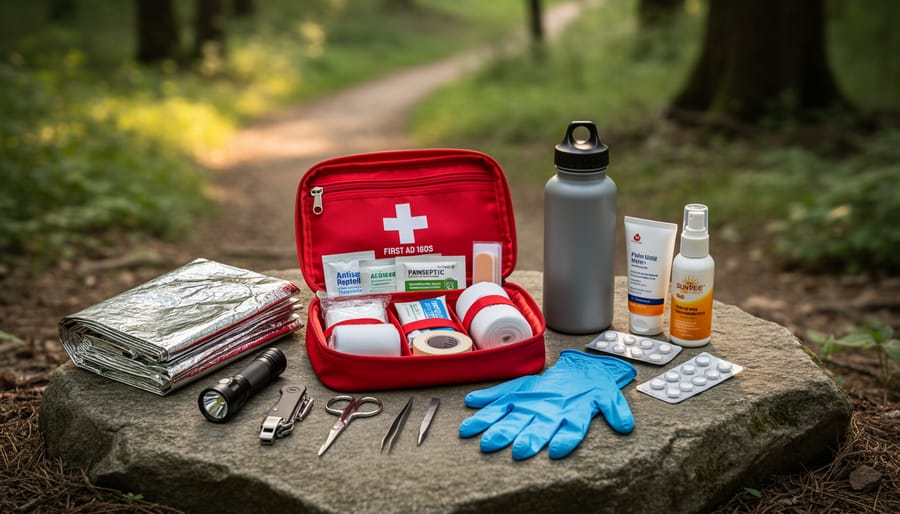
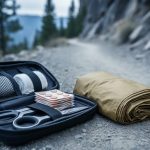
A comprehensive best hiking first aid kit tops our safety essentials. We recommend the Adventure Medical Kits Ultralight/Watertight .7 for day hikes. It covers the basics, adhesive bandages, gauze pads, blister treatment, antiseptic wipes, medical tape, without weighing you down. Add personal medications, any prescription items, and blister-specific supplies like moleskin or Leukotape. We’ve seen too many trips cut short by preventable foot issues.
Sun protection matters more than beginners realize. We pack a sun protection cap with a brim, SPF 50+ sunscreen, and lip balm with UV protection. Reapply sunscreen every two hours on exposed skin, even on cloudy days. Sunglasses rated for 100% UV protection prevent eye strain and long-term damage.
Emergency shelter provides critical backup if you’re stuck overnight unexpectedly. A lightweight emergency bivy or space blanket weighs almost nothing but can save your life in rapidly changing weather. We carry the SOL Emergency Bivvy, which packs smaller than a soda can yet reflects body heat effectively.
Fire-starting tools give you warmth and signaling capability. Pack waterproof matches or a reliable lighter in a sealed bag, plus a backup ferro rod. We’ve tested both in wet conditions and they work when you need them most.
A basic repair kit prevents minor gear failures from becoming major problems. Include duct tape wrapped around a trekking pole, safety pins, a small multi-tool, and cord for emergency fixes. We’ve used duct tape to patch everything from torn backpack straps to leaking water bladders on the trail.
The Ten Essentials: Completing Your Kit
Beyond the major gear we’ve covered, these remaining essentials complete a safe, self-sufficient kit for day hiking. We’ve tested each category across trails to determine what beginners actually need versus what’s optional for later.
Hydration system: Carry at least two litres of water in bottles or a bladder reservoir. We prefer bottles for easier monitoring and refilling, but bladders work well if you maintain proper cleaning. Plan for half a litre per hour of moderate hiking, more in heat or at altitude.
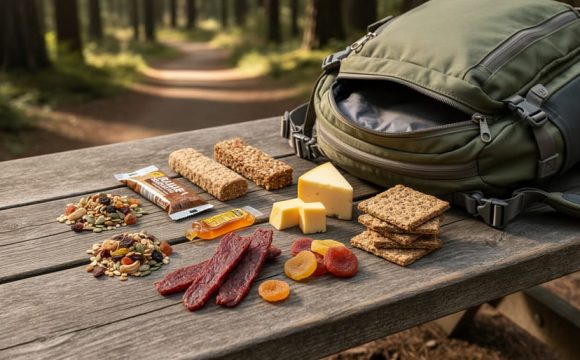
Nutrition: Pack high-energy snacks beyond what you think you’ll need. Trail mix, energy bars, jerky, and dried fruit provide quick fuel. We learned this carrying extra on a six-hour hike that stretched to nine, those backup calories mattered.
Extra clothing layers: The weather shifts fast on trails. Pack an insulating mid-layer, waterproof shell, and dry base layer even on sunny days. Choose fabrics like merino wool or synthetics that stay warm even when wet unlike cotton which loses all insulating value when damp.
Headlamp: A lightweight LED headlamp covers unexpected delays or early starts. Look for 200+ lumens with red-light mode to preserve night vision. Keep spare batteries in your kit.
Multi-tool or knife: Basic repairs and gear adjustments happen on trail. A simple folding knife or compact multi-tool handles most needs without adding bulk. We’ve used ours for everything from tightening pack straps to cutting moleskin for blisters.
These items weigh little individually but transform a risky outing into a prepared adventure. Skip them and you’re gambling on perfect conditions.
What We Left Out (And Why)
Our essentials list intentionally focuses on items that benefit every beginner on every day hike. We left out specialized gear that adds weight, cost, and complexity until you actually need it.
Gear we skipped for beginners:
We didn’t include a GPS unit beyond your watch because modern phones handle navigation well on marked trails where beginners typically start. A dedicated GPS becomes valuable once you’re tackling unmaintained routes or winter conditions where phone batteries drain quickly.
We omitted water filtration systems because day hikers can carry sufficient water for most trips. Filtration matters for overnight trips or long summer hikes in arid regions, but it’s not essential when you’re learning the basics on popular trails with reliable water access.
Gaiters didn’t make our list because they solve specific problems, snow, scree, or dense brush, that most beginners won’t encounter on their first dozen hikes. Same logic applies to crampons, ice axes, and avalanche safety gear. These are critical tools for advanced terrain, not beginner essentials.
We also left out satellite messengers beyond the Garmin inReach Mini 3+ and bear spray. The inReach covers emergency communication for most conditions. Bear spray becomes essential only in grizzly country, and beginners should research local wildlife requirements rather than carrying it everywhere.
When to expand your kit:
Add specialized items as your hiking ambitions grow. Planning overnight trips? Invest in filtration. Hiking above treeline in shoulder seasons? Add gaiters and layers. The fifteen essentials get you started safely, experience shows you what to add next.
Price and Value: Building Your Kit on Budget
Building a complete hiking essentials kit requires an upfront investment, but understanding where to allocate your budget prevents overspending while ensuring safety and comfort on the trail.
We found the initial cost for all 15 essentials ranges from roughly $800 to $1,200 depending on how you prioritize gear choices. That might seem steep, but this isn’t a one-season purchase. Quality foundational pieces like the Osprey Talon 33 daypack and Black Diamond Alpine Carbon poles last years with proper care, making the per-hike cost negligible over time.
Prioritize spending on three categories: footwear, navigation, and your pack. The Altra Lone Peak 9+ delivers trail-ready performance that prevents blisters and fatigue, cheap shoes cost you in discomfort and potential injury. Similarly, dependable navigation like the Garmin inReach Mini 3+ isn’t optional for backcountry safety, and a pack that distributes weight properly transforms your hiking experience.
Where can beginners save? First-aid kits, headlamps, and multi-tools don’t require premium models for day hiking. A basic but complete first-aid kit beats an expensive one you leave at home. Fire-starting tools and emergency shelters can start simple, a lighter and emergency bivy work fine while you’re learning.
The value proposition we’ve seen through testing is straightforward: gear that performs reliably encourages more trail time. The Talon 33’s durability means you’re not replacing it next season. Those Alpine Carbon poles remain dependable across hundreds of miles. Budget-friendly alternatives might get you started, but replacing failed gear costs more than buying tested equipment initially. Build your kit thoughtfully, invest where it matters, and you’ll hike confidently for years.
How We Tested These Essentials
We put every item on this list through months of real-world trail testing across diverse conditions to ensure our recommendations hold up for beginners. Our team logged hundreds of miles on everything from flat desert paths to steep mountain ascents, testing in temperatures ranging from freezing mornings to scorching afternoons, through rain, dust, and snow.
Our evaluation criteria focused specifically on what matters most to new hikers. We assessed comfort during extended wear, tested capability across varied terrain, evaluated build quality for long-term dependability, and analyzed value for beginners building their first kit. The Osprey Talon 33, for example, carried loads up to 25 pounds on full-day hikes while keeping our backs dry thanks to its vented panel. We subjected the Black Diamond Alpine Carbon poles to rocky scrambles and stream crossings to confirm their claimed durability. The Altra Lone Peak 9+ hiked technical trails and smooth fire roads to verify versatility.
We tracked performance metrics that beginners care about: does the pack distribute weight comfortably after hour three? Do the navigation devices maintain signal in canyon terrain? Will the shoes handle slick roots without specialized technique? Every recommendation earned its spot by performing consistently across multiple testers and conditions, not just on a single perfect-weather outing.
Packing Your Essentials: Organization Tips
Having the right gear means nothing if you can’t reach it when you need it on the trail. We’ve learned through countless day hikes that packing strategy matters just as much as what you pack, especially when you’re navigating unfamiliar terrain and need quick access to essentials without stopping to dig through your entire Osprey Talon 33.
Start with the heaviest items closest to your spine and mid-back. Your water reservoir or bottles should sit against the back panel, followed by extra layers and your first-aid kit. This placement keeps weight centered over your hips rather than pulling you backward, reducing fatigue over long distances. The Talon 33’s frame design works best when you load it this way, and the difference in comfort becomes noticeable after the first hour on the trail.
Pack items you’ll need frequently in external pockets and top compartments. Your snacks, sun protection, map, and trekking pole tips belong where you can grab them without unbuckling your pack. We keep our Garmin inReach Mini 3+ in a hip belt pocket for immediate SOS access, though we hope beginners never need to use that feature. Rain gear should live in the top lid or front stretch pocket since weather can change faster than you expect, particularly in mountain environments.
Here’s how we organize essentials for trail efficiency:
- Heavy items (water, layers) against your back, mid-pack height
- Emergency gear (first aid, fire starter, shelter) in dedicated internal pocket
- Frequently needed items (snacks, sunscreen, lip balm) in hip belt or shoulder pockets
- Rain shell in top lid or front stretch mesh for quick access
- Multi-tool and headlamp in easy-reach side pockets
- Extra socks and repair kit at the bottom, wrapped in your emergency bivy
The bottom of your pack is ideal for items you probably won’t need until camp or emergencies. We stuff our emergency shelter and fire-starting kit down there, along with the repair supplies and extra socks. If something lives at the bottom, make sure it’s either unlikely to be needed or small enough that fishing for it won’t frustrate you mid-hike.
Test your packing system on a short trail before committing to a longer adventure. Walk around your neighborhood with your loaded pack and practice accessing different items without taking it off. If you’re fumbling for your water or can’t reach your Black Diamond poles when stored, adjust the setup now rather than three miles into the wilderness.
Pros and Cons
Packing the right essentials before your first hike makes the difference between a confident, enjoyable day on the trail and a stressful experience. Our tested 15-item checklist gives beginners a clear starting point without the paralysis of endless gear options, while the specific product recommendations eliminate guesswork about which models actually perform when you need them.
Pros
- Comprehensive coverage of safety, navigation, and comfort needs in one list
- Tested gear recommendations remove the uncertainty of choosing your first hiking equipment
- Focused on beginner-friendly items that work across various day hike conditions
- Prioritizes dependable, proven gear over trendy or ultralight options that require experience
Cons
- Initial investment in all 15 essentials requires upfront budget commitment
- Some recommended models represent mid-range pricing rather than budget options
- List may seem overwhelming for absolute beginners who just want to start walking
- Does not address specialized needs for specific climates or technical terrain
The structure we’ve outlined balances thorough preparation with practical accessibility. If the complete list feels daunting, start with the safety essentials and navigation tools, then build your kit as you learn hiking basics and gain trail experience. The tested recommendations we’ve provided will serve you reliably as your skills and ambitions grow.
At-a-Glance Details
Here’s a quick reference to our five tested gear picks with their standout features and who they work best for:
| Essential Item | Our Pick | Key Strength | Best For |
|---|---|---|---|
| Daypack | Osprey Talon 33 | Vented back panel keeps you dry | All-day comfort with big loads |
| Emergency SOS | Garmin inReach Mini 3+ | Backcountry communication | Remote trail safety |
| Navigation Watch | Garmin Enduro 3 | Multi-day battery life | Long hikes without charging |
| Footwear | Altra Lone Peak 9+ | Trail-ready comfort | Beginners building foot strength |
| Trekking Poles | Black Diamond Alpine Carbon | Lightweight dependability | Reducing knee strain on descents |
This table gives you the tested essentials at a glance, but remember that safety items like your first-aid kit, sun protection, emergency shelter, and fire starter complete the critical foundation. The picks above represent the gear we subjected to real trail conditions, and each one proved its value through performance rather than specs alone.
Common Questions About Hiking Essentials
When should I upgrade from my starter hiking gear?
Upgrade when you notice specific limitations in your current gear, not just because something newer exists. If your pack causes discomfort on longer hikes, your shoes lose traction on wet trails, or your layers fail to keep you comfortable in challenging conditions, those are clear signals to invest in better equipment.
Do I really need all 15 essentials for a short day hike?
Yes, especially as a beginner. Conditions change quickly on trails, and even a two-hour hike can turn into an emergency if you get lost, injured, or caught in unexpected weather. The essentials we tested weigh less than you think when packed properly, and they could save your life.
How do I adjust this list for winter hiking?
Add insulated layers, microspikes for icy trails, waterproof gloves, and a warmer emergency shelter. You’ll also need more fuel for your body since cold weather burns calories faster, and consider upgrading to an insulated hydration system to prevent water from freezing.
Is my pack too heavy if it’s over 20 pounds for a day hike?
For beginners carrying the 15 essentials plus water and snacks, 15-20 pounds is reasonable and safe. Focus on packing smart rather than obsessing over weight initially, proper distribution in a quality pack like the Osprey Talon 33 matters more than shaving ounces when you’re starting out.
The beauty of building your essentials kit is that it grows with you. Start with quality gear that covers genuine safety needs, then refine your choices as you learn what works for your hiking style. We found through testing that beginners often overthink weight and underthink preparedness. A slightly heavier pack with proper essentials beats an ultralight setup missing critical safety items every time, particularly while you’re still learning to read trail conditions and weather patterns.
Getting out on the trail doesn’t require a garage full of gear or years of experience. What matters is having the right essentials and knowing how to use them. The 15 items we’ve tested and recommended here form a dependable foundation for day hiking, gear that won’t let you down when conditions shift or plans change.
We’ve kept our focus on what works for beginners: equipment that’s forgiving, versatile, and built to last beyond your first season. The Osprey Talon 33, Garmin inReach Mini 3+, Altra Lone Peak 9+, and Black Diamond Alpine Carbon poles have all proven themselves on real trails, in varied weather, carrying actual loads. They’re not the lightest or flashiest options, but they’re the ones we’d hand to a friend starting out.
Start with these essentials, learn how your gear performs, and adjust as you gain experience. The trails are waiting, and with proper preparation, you’re ready to meet them with confidence. Pack smart, hike safe, and enjoy the adventure.