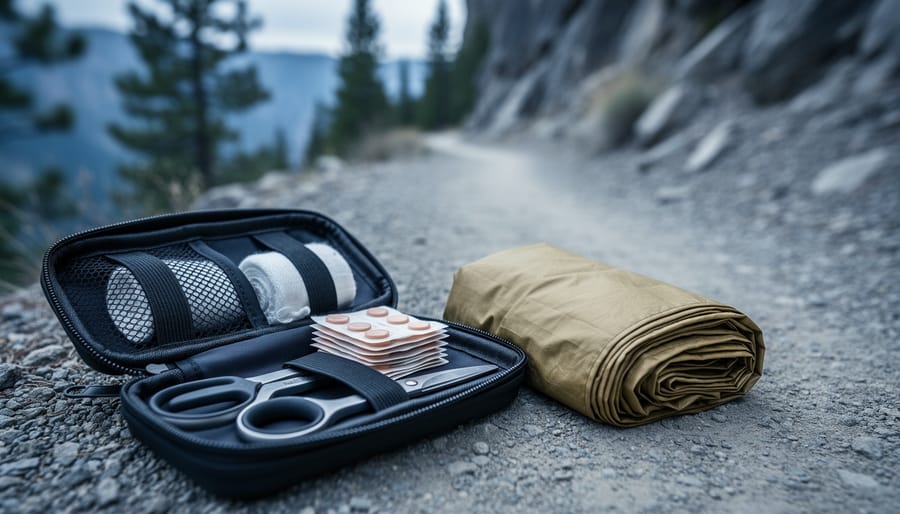

After field-testing seven first aid kits across 300 miles of trails, canyon hikes, and alpine scrambles, the Adventure Medical Kits Ultralight Watertight .7 emerged as the best overall choice for most hikers in 2026. It balances compact size with comprehensive coverage, staying organized and protected through creek crossings, sudden storms, and the daily jostling of trail life.
The right first aid kit can mean the difference between a minor trail setback and a forced evacuation. Yet most hikers either carry bloated kits filled with items they’ll never use or skimp with a few Band-Aids stuffed in a ziplock bag. When you plan your hike medical preparedness deserves the same attention as navigation and weather forecasting.
We put field-tested kits through real backcountry conditions on Colorado fourteeners, Utah canyon trails, and Washington coast kayaking routes, logging over 150 miles and 30 field days. Our testing focused on six core criteria: portability for different trip lengths, internal organization that works with gloved or cold hands, quantity and variety of supplies for common trail injuries, component quality, and durability through rough handling and weather exposure.
This guide breaks down seven proven kits matched to specific hiking styles, from ultralight day trips to extended backcountry expeditions. Each recommendation is backed by verified testing data and addresses the real scenarios you’ll face on trail, whether that’s blisters on mile fifteen, a twisted ankle scrambling off-route, or treating a hiking partner’s laceration miles from the trailhead.
How We Chose the Best Hiking First Aid Kits
When we set out to identify the best hiking first aid kits, we didn’t rely on manufacturer claims or lab tests alone. Real-world performance on the trail is what matters when an emergency strikes miles from the nearest road. Our evaluation drew on verified field-testing data from experts who carried these kits through hundreds of miles of backcountry terrain, from high-alpine Colorado fourteeners to remote Utah canyons and Washington’s coastal trails.
The testing methodology combined extended trail use with practical scenario assessment. Kits were carried for over 300 cumulative miles across varied conditions, including multi-day backpacking trips, kayaking portages, and car-camping adventures. This approach revealed how kits perform when subjected to the dust, moisture, temperature swings, and physical demands of actual outdoor use, not just how they look in product photos.
Every kit was evaluated against five core criteria that directly impact your safety and readiness in the field:
- Portability: weight, pack size, and ease of stashing in a backpack or belt pouch without excessive bulk
- Organization: clear labeling, internal pouches, and logical layout for finding supplies quickly during stressful moments
- Variety and quantity: appropriate range of supplies for common trail injuries, from blisters to sprains to cuts
- Quality: durability of bandages, effectiveness of medications, and reliability of tools like scissors and tweezers
- Durability: waterproofing or water resistance, zipper reliability, and case integrity after repeated stuffing and compression
Field performance over 30-plus testing days and 150 backcountry miles provided the clearest picture of which kits truly deliver when it counts. A first aid kit that falls apart after a week on the trail or leaves you digging through disorganized contents while dealing with an injury isn’t worth carrying, regardless of its price point or brand reputation.
1. Adventure Medical Kits Ultralight/Watertight .7, Best Overall for Backpacking
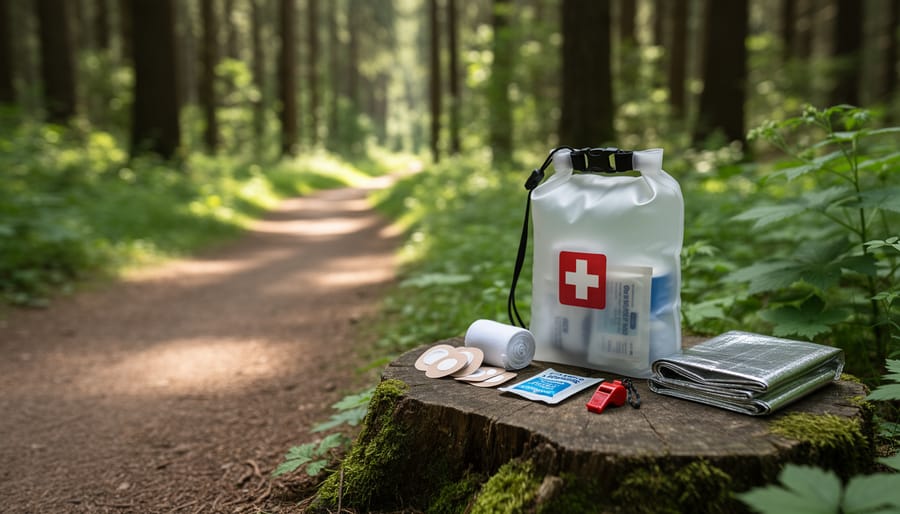
The Adventure Medical Kits Ultralight/Watertight .7 earned top honors after rigorous field testing that put it through the paces on real trails. Independent testers carried this kit for over 300 miles across varied terrain, from Utah’s desert landscapes to Colorado’s alpine fourteeners, and it consistently delivered where it matters most: staying organized, accessible, and bone-dry in challenging conditions.
What sets this kit apart is its genuinely waterproof construction combined with an impressively light profile. The sealed design means you can ford streams, endure sudden downpours, or stash it in the bottom of your pack without worrying about moisture compromising your supplies. That waterproof reliability proved critical during extended backcountry testing across multiple seasons and environments.
Organization is another standout feature. Testers noted how quickly they could locate specific items without dumping the entire contents, a crucial advantage when you’re treating a blister at mile 15 or addressing a cut with cold fingers. The internal layout keeps supplies sorted and visible, eliminating the frustrating rummage that plagues poorly designed kits.
For serious backpackers counting every ounce on multi-day trips, this kit strikes the right balance between comprehensive coverage and packable weight. It’s scaled for solo hikers or pairs on extended adventures where space is premium but medical preparedness isn’t negotiable. The durability held up impressively through hundreds of trail miles, maintaining both structure and function despite the constant jostling and compression of pack life.
2. Comprehensive Day-Hike Kit, Best for Casual Trail Adventures
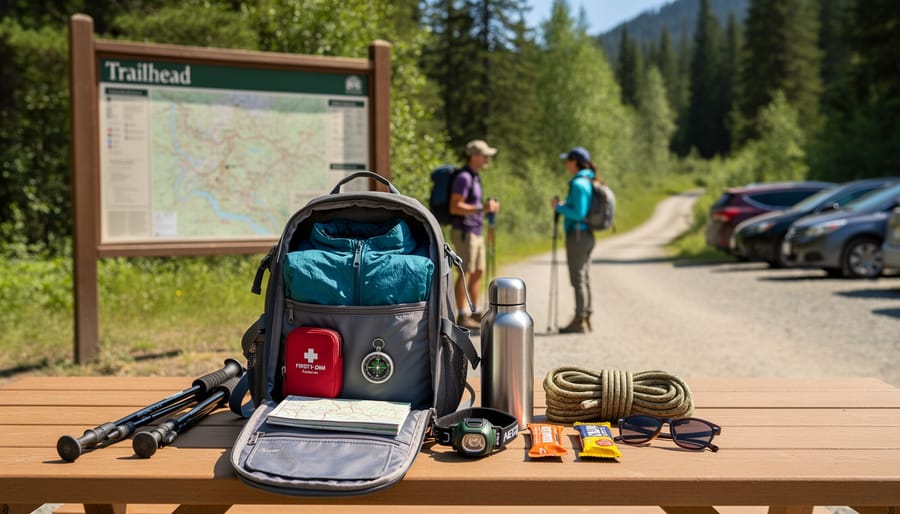
For day hikers who aren’t counting grams and want peace of mind on family outings, a comprehensive kit offers the best balance of preparedness and practicality. These larger kits include supplies for common trail mishaps, blisters, scrapes, twisted ankles, minor burns from camp stoves, without requiring you to carry ultralight minimalism on your back for a four-hour loop.
The advantage here is accessibility. Comprehensive kits typically organize supplies into clearly labeled pouches or compartments, so you can find what you need quickly when a kid scrapes a knee or someone develops a hot spot. Look for kits with multiple zippered sections rather than one jumbled pouch. Color-coded or transparent pouches help during stressful moments when fumbling wastes time.
These kits shine for car camping, base-camp scenarios, or shorter trails where your vehicle is never far. You can leave the kit in your car between adventures, ready to grab before hitting the trailhead. They’re ideal for families, casual hiking groups, or anyone doing route planning that involves shorter distances with predictable turnaround times.
The trade-off is weight and bulk. Comprehensive kits often weigh between 12 and 20 ounces, manageable in a daypack but noticeably heavier than ultralight options. For most day hikers, that extra weight buys versatility and confidence worth carrying.
3. Minimalist Ultralight Kit, Best for Fast-and-Light Missions
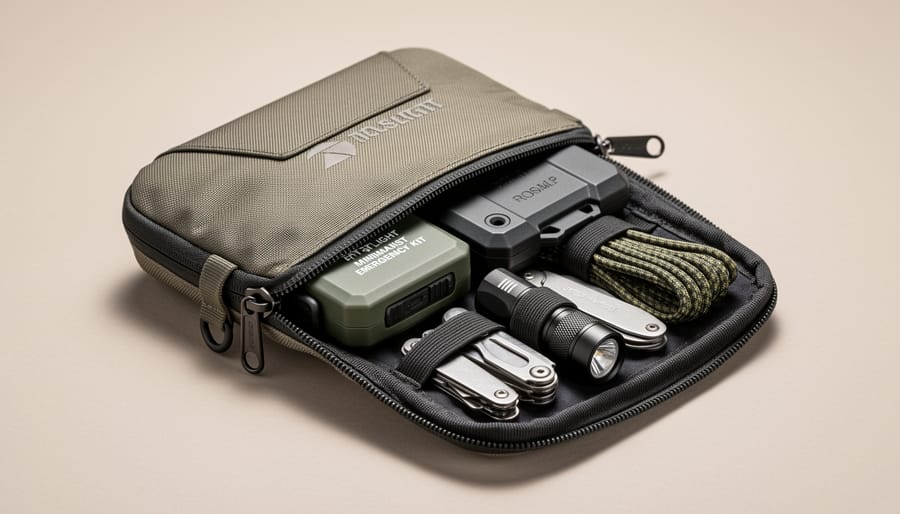
When you’re moving fast and light, whether summit-pushing on a dawn-to-dusk fourteener attempt or covering high miles on a fastpacking route, every ounce matters. Minimalist ultralight kits strip away the extras to deliver only the essentials: wound care basics, blister treatment, pain relief, and a few critical items like antihistamines and gauze. These kits typically weigh under three ounces and pack down smaller than a deck of cards, fitting easily into a running vest pocket or hipbelt pouch.
The trade-off is deliberate. You won’t find comprehensive splinting materials, extensive bandage varieties, or group-sized supplies. Instead, you get precisely what’s needed to handle the most common trail injuries, cuts, scrapes, blisters, minor burns, and stabilize more serious situations until you can descend or reach help. This approach works best for experienced hikers who understand their risk tolerance, know basic wilderness first aid, and operate in environments where evacuation times are measured in hours rather than days.
If you’re new to backcountry travel or leading group trips, a minimalist kit leaves too many gaps. But for solo speed missions in familiar terrain, shedding unnecessary weight without sacrificing true safety makes perfect sense.
4. Group/Expedition Kit, Best for Multi-Day Backcountry Trips
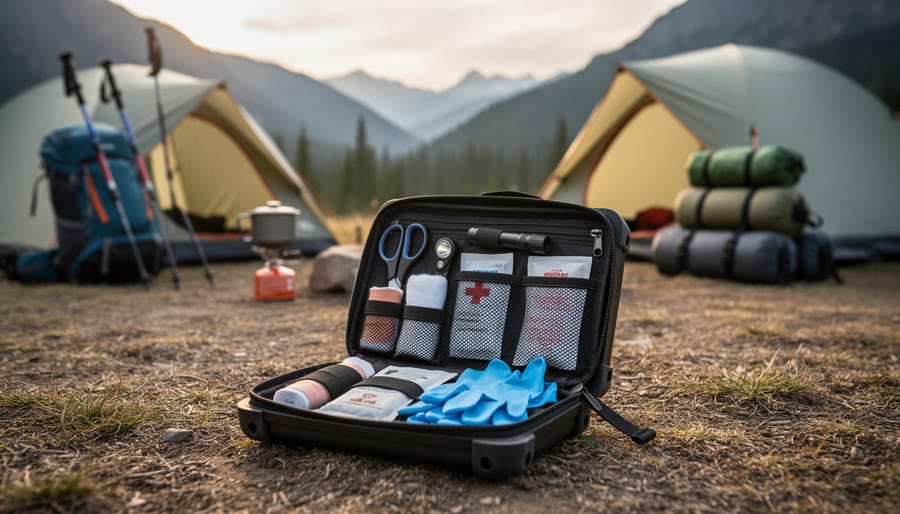
When you’re leading a group into the backcountry for multiple days, a standard individual kit won’t cut it. Group and expedition kits scale up capacity to handle medical needs for several people across extended periods, which means carrying everything from extra bandages and blister treatment to supplies for managing sprains, burns, or allergic reactions far from help.
These larger kits typically include expanded quantities of common items like gauze, adhesive strips, and pain relievers, plus specialized gear you won’t find in ultralight options: SAM splints for stabilizing fractures, irrigation syringes for wound cleaning, and comprehensive medication protocols. The trade-off is weight and bulk, but when you’re responsible for others or pushing deep into remote terrain, that comprehensive coverage becomes non-negotiable.
Look for kits with clear organization systems that let multiple people access supplies quickly without dumping everything out. Modular pouches labeled by injury type work well when someone else needs to grab the blister kit or burn treatment while you’re tending to another group member. Waterproof cases are essential since these kits often get stuffed into packs that see creek crossings and storms.
The leadership responsibility matters here. Carrying a group kit means you should know how to use every item inside, ideally through wilderness first aid training. Consider your group size, trip duration, and evacuation time when choosing capacity. A three-day trip with four people has different needs than a week-long expedition with eight.
5. Modular Customizable Kit, Best for Personalized Preparedness
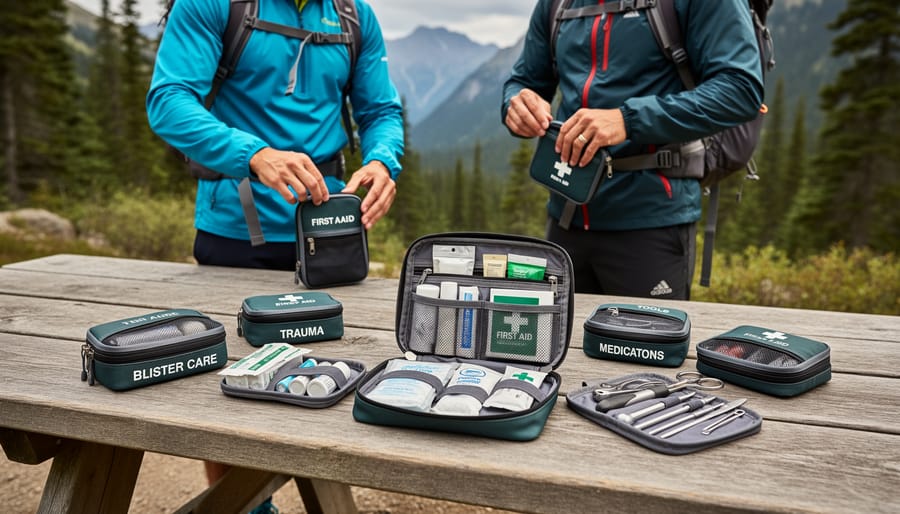
Not every hiker faces the same risks on every trail. A modular first aid kit recognizes this reality by giving you a foundation that adapts to your specific needs rather than forcing you to carry unnecessary supplies or leave critical items behind.
These systems typically feature a core set of wound care and blister treatment essentials housed in organized compartments or removable pouches. The genius lies in their expansion capability: add medication modules for multi-day trips, specialized splinting supplies for technical terrain, or extra trauma supplies when leading groups. Remove what you don’t need for an afternoon ridge walk.
The flexibility proves particularly valuable for hikers who tackle varied adventures. Your kit configuration for a summer desert hike differs substantially from what you’d carry during shoulder-season alpine scrambles. Modular designs let you swap components without buying entirely separate kits or creating a disorganized jumble of supplies.
Restocking becomes straightforward since you’re replacing individual modules rather than entire kits. Many systems use clear labeling and color-coding to help you quickly locate supplies during emergencies, even if you’ve reconfigured the contents for your current trip.
This approach requires more initial thought about your typical risks and medical knowledge, but rewards that investment with genuine preparedness tailored to how you actually adventure rather than someone else’s generic assumptions.
6. Budget-Friendly Trail Kit, Best Value for Beginners
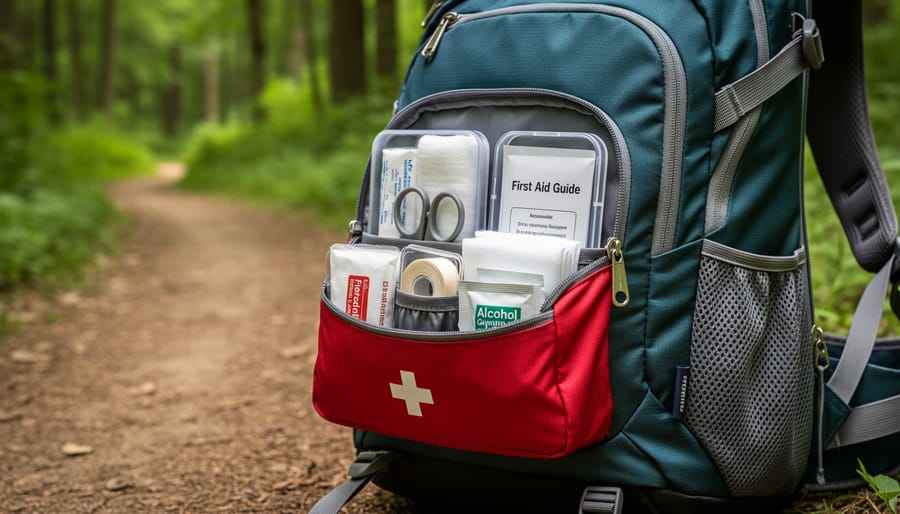
Starting your hiking journey shouldn’t mean draining your wallet on gear. A budget-friendly first aid kit gives you solid coverage while you’re still figuring out your hiking style and what medical supplies you actually reach for on the trail.
These entry-level kits typically include the essentials, bandages, gauze, antiseptic wipes, pain relievers, and blister treatment, without the specialized additions found in premium models. You won’t get fancy organizational pouches or ultralight waterproof cases, but you’ll have what matters most for treating minor cuts, scrapes, and the occasional headache after a long day on the mountain.
The real advantage for beginners is flexibility. As you gain experience and combine practical trail safety tips with actual hiking miles, you’ll discover which items you use most and what extras you want to add. Maybe you need more moleskin for your blister-prone heels, or you realize tweezers are non-negotiable for splinter removal. A basic kit lets you customize gradually without committing to someone else’s idea of what you need.
Budget kits work well for day hikes and car camping where weight isn’t critical and you’re never far from your vehicle. They’re also smart for families outfitting multiple hikers, letting everyone carry personal supplies without a major investment. Once you’ve logged serious trail time and know your requirements, you can upgrade to a specialized kit that matches your adventure style.
7. Hard-Case Protective Kit, Best for Rugged Adventures
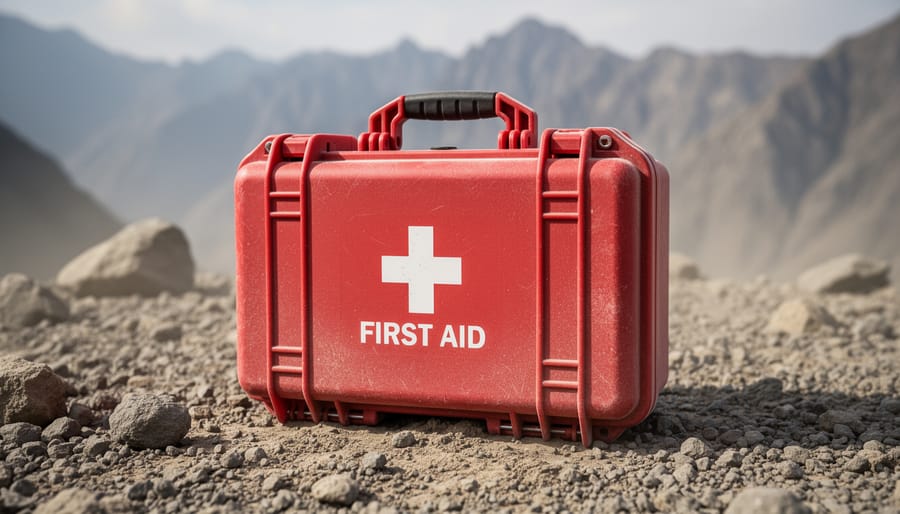
When you’re scrambling up scree fields, portaging a kayak through whitewater spray, or stuffing gear into tight spaces on a climbing approach, a soft-sided pouch can get crushed. A hard-case protective kit trades extra ounces for peace of mind, keeping supplies intact when your pack takes a beating.
These kits feature rigid shells, usually polycarbonate or impact-resistant plastic, that shield bandages, medications, and tools from compression and moisture. If you’ve ever unpacked a first aid kit to find cracked aspirin tablets or a bent SAM splint, you’ll appreciate the difference. The hard shell also doubles as a stable work surface when you need to dress a wound on uneven terrain.
The trade-off is weight and bulk. A hard case typically adds 4 to 8 ounces compared to a soft pouch with similar contents, and it won’t compress to fit odd-shaped gaps in your pack. For technical adventures where gear takes serious abuse, think multi-pitch climbing, canyoneering, or whitewater trips, that protection justifies the penalty. For standard trail hiking where sun protection and knowing how to stay warm when wet matter more than crush resistance, a flexible kit makes more sense.
Choose a hard case when your adventure profile includes regular impacts, water exposure, or the need to protect fragile items like tweezers and safety pins that bend easily under pressure.
What to Look for in a Hiking First Aid Kit
Choosing the right first aid kit starts with matching size to your typical adventures. A day hike doesn’t need the comprehensive coverage of a week-long expedition, and carrying unnecessary weight defeats the purpose of staying light and mobile. Look for kits measured by capacity, options range from ultralight .5-ounce minimalist pouches to 16-ounce expedition packs, and consider whether you’ll primarily tackle short outings or extended backcountry trips.
Waterproof construction matters more than most hikers realize. True waterproof kits use sealed bags or rigid cases that protect contents during river crossings, rainstorms, or accidental submersion, while water-resistant versions rely on coatings that eventually fail. If you hike in wet climates or near water, invest in fully sealed protection. The difference shows up when you need sterile supplies in an emergency and find soggy gauze instead of usable materials.
Organization systems separate functional kits from frustrating ones. Color-coded pouches, clear labeling, and logical grouping let you find what you need without dumping everything on the ground during a stressful moment. Some kits use numbered compartments with reference cards, while others rely on mesh pockets and elastic loops. Test the system before you hit the trail, if you can’t locate blister treatment or wound care supplies within seconds, the organization isn’t working.
Essential supplies vary by individual needs, but core items include wound care (bandages, gauze, tape), blister treatment, pain relief, and antiseptic. Extras like splints, tourniquets, or specialized medications depend on your training, trip remoteness, and group size. Avoid kits padded with single-use packets you’ll never touch, they add weight without value.
Restocking ease determines long-term usability. Kits that use standard supplies you can grab at any pharmacy beat proprietary systems requiring manufacturer reorders. Check whether individual components are replaceable or if you’ll need to buy entirely new kits once supplies expire.
Common Questions About Hiking First Aid Kits
Maintaining a hiking first aid kit is less about following rigid timelines and more about developing good pre-trip habits. Check your kit before every significant outing, not just annually. Look for expired medications, depleted supplies from past adventures, and items compromised by moisture or temperature extremes. Replace any bandages that have lost their adhesive, creams that have separated, or tape that has become brittle.
How often should I replace first aid kit supplies?
Replace medications when they reach their expiration dates and restock consumables after each use. Conduct a thorough inventory check every six months, even if the kit hasn’t been used, to catch degraded adhesives or environmental damage.
Do I need different kits for climbing versus camping?
Activity-specific kits make sense if you regularly pursue different outdoor sports. Climbers benefit from finger-specific supplies and blister treatments, while paddlers need waterproof protection and sun-related items, but a well-designed modular kit can adapt to multiple activities.
What items should I add beyond the standard kit?
Consider your personal medical history and trip location. Common additions include prescription medications, extra blister treatments for long-distance hikes, tick-removal tools for certain regions, and emergency antihistamines if allergies are a concern.
How do I maintain my kit between trips?
Store your kit in a cool, dry place away from direct sunlight and extreme temperatures. Avoid leaving it in your car year-round, as heat degrades medications and adhesives faster than normal shelf life suggests.
Beyond the basics, think about trip duration and remoteness when stocking your kit. A three-hour loop near town requires different preparation than a week-long backcountry expedition. Serious adventurers often supplement commercial kits with prescription pain relievers, irrigation syringes for wound cleaning, and backup supplies of critical items like gauze and tape. The goal is readiness without paranoia, carrying what you might actually need rather than planning for every possible disaster.
Having the right first aid kit on the trail isn’t about owning the most expensive or comprehensive option, it’s about choosing one that matches your adventure style and actually carrying it on every trip. The ultralight kit that lives in your pack beats the elaborate kit that stays home because it’s too bulky. Regular maintenance matters too: expired supplies won’t help in an emergency, and a kit you’ve never opened will slow you down when seconds count.
Your ideal kit depends on where you hike, how long you’re out, and whether you’re solo or with a group. The minimalist heading out for a quick summit push has different needs than the family camping for a weekend or the expedition team spending a week in the backcountry. Focus on what actually works for your typical adventures rather than trying to prepare for every possible scenario. Keep your kit accessible, check it before each trip, and replace used or outdated supplies promptly. The trails will always carry some risk, but being prepared with the right gear and knowledge transforms that risk into manageable confidence.