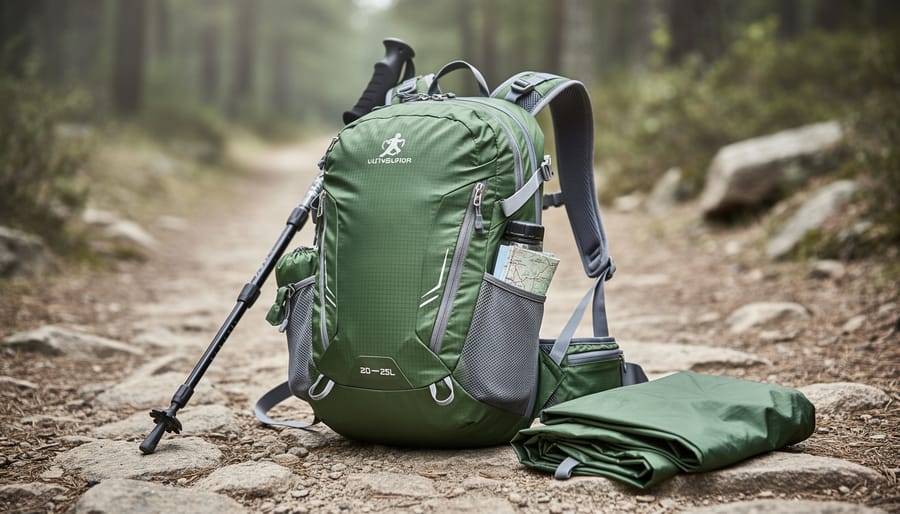

A small hiking bag is an ultralight daypack weighing around 20 ounces or less, designed to carry essentials for single-day hikes without the bulk and weight of traditional backpacks. For most day hikers, that means a pack in the 20-25 liter range that holds water, snacks, layers, and basic safety gear while staying under one pound.
The best small hiking bags for 2026 balance three critical factors: weight savings, organizational features, and durability. Top performers like the Osprey Talon 22 and REI Co-op Flash 22 prove you don’t need to sacrifice comfort or functionality to shave ounces. These packs use lightweight ripstop fabrics, minimal padding, and streamlined designs to keep pack weight from eating into your gear budget, especially on long summer days when every ounce counts.
What separates a great small hiking bag from a mediocre one comes down to thoughtful design choices. Load-lifter straps, even on minimalist packs, make a noticeable difference in how weight rides on your shoulders. External mesh pockets keep wet gear away from dry layers. A frameless design works beautifully for loads under 15 pounds but becomes uncomfortable beyond that threshold.
The challenge is matching pack features to your actual hiking style. Technical scrambles demand different features than groomed nature trails, and overnight-capable daypacks like the Osprey Stratos 36 serve a different purpose than stripped-down ultralight options. This guide cuts through the marketing terms, tests real-world performance across different pack types, and identifies which models deliver genuine value for specific hiking conditions.
What Defines a Small Hiking Bag
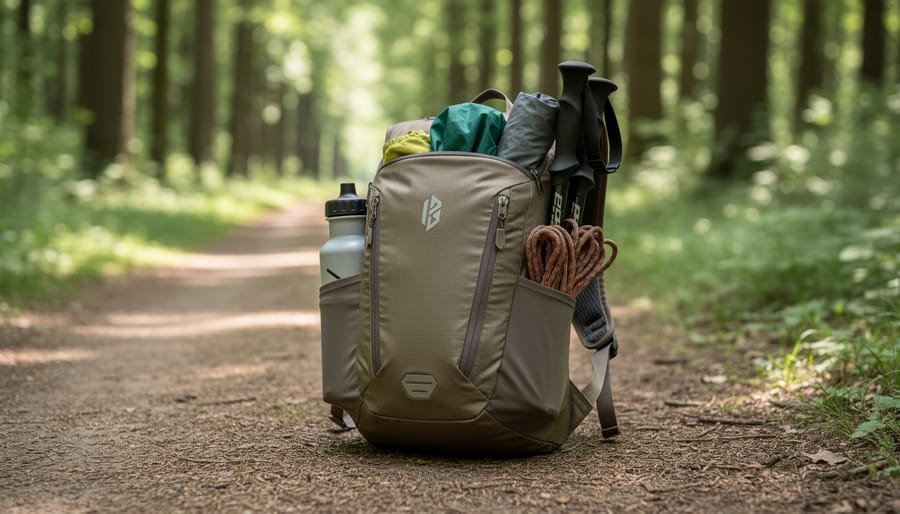
A small hiking bag occupies a specific niche in the backpack spectrum: it’s built for day hikes and ultralight missions where every ounce matters. These packs typically weigh under one pound, preferably around 20 ounces or less, and offer capacities between 20 and 36 liters. That weight threshold is what separates them from traditional daypacks, which often tip the scales at 1.5 to 2.5 pounds before you add any gear.
The capacity range deserves clarification. A 20-liter pack suits minimalist day hikers who carry the essentials: water, snacks, a shell layer, and first aid. Move up to 30-36 liters and you gain room for variable weather gear, photography equipment, or extended hours on the trail. Beyond 36 liters, you’re looking at overnight packs designed for sleeping bags and cooking systems, which operate under different weight and structure requirements.
What truly distinguishes small hiking bags from their heavier cousins is the design philosophy. Traditional daypacks prioritize features and padding, adding weight through thick hip belts, elaborate suspension systems, and multiple organizational pockets. Small hiking bags strip away non-essentials, using lightweight fabrics and streamlined frames that sacrifice some durability and load-carrying comfort for significant weight savings. They excel when you’re moving fast, covering long distances, or simply tired of feeling a pack dig into your shoulders on what should be a casual day hike. These aren’t overnight packs trying to do less, they’re purpose-built tools for a specific kind of hiking.
Key Features to Consider When Buying
Weight vs. Durability Trade-offs
Ultralight packs achieve their sub-1 lb weight by using thinner fabrics, minimal padding, and stripped-down frame systems, or no frame at all. Most rely on ripstop nylon in the 70-210 denier range, which resists tears but won’t stand up to repeated abrasion against granite or bushwhacking through dense brush. You’ll find less reinforcement at stress points, lighter-gauge zippers, and framesheets made from foam rather than aluminum stays.
This trade-off makes perfect sense if you’re hiking maintained trails with careful packing habits. A 20 oz pack like the REI Co-op Flash 22 will handle thousands of miles on groomed paths without issue. But if your routes involve scrambling, off-trail navigation, or frequently dropping your pack on rocky surfaces, you’ll want a slightly heavier model with reinforced base panels and thicker fabrics around high-wear zones.
The durability spectrum isn’t binary. Mid-weight options like the Osprey Talon 22 split the difference at around 24 oz, using tougher fabrics in strategic locations while keeping overall weight reasonable. Your hiking style determines where you land: weekend trail hikers benefit most from maximum weight savings, while technical terrain demands the extra ounces of reinforcement.
Capacity and Volume Options
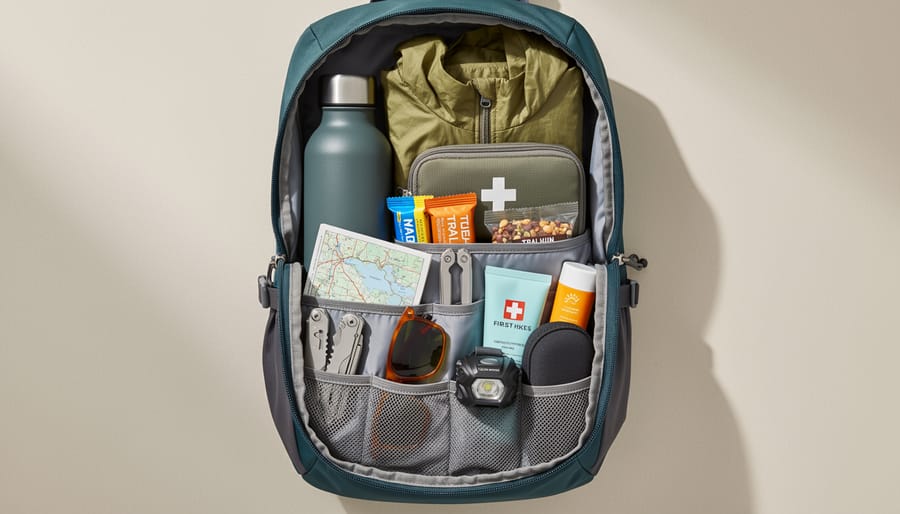
Capacity matters more than you might think when choosing a small hiking bag. Most ultralight daypacks fall into two distinct ranges: 20-25L for minimalist day hikes and 30-36L for longer outings or variable weather conditions.
The 20-25L sweet spot works perfectly for single-day trips where you’re carrying just the hiking essentials water, snacks, a first-aid kit, navigation tools, and perhaps a lightweight rain jacket. This range shines when you know the forecast and can pack precisely what you need without extras. The REI Co-op Flash 22 and Osprey Talon 22 exemplify this category.
For longer day hikes or unpredictable mountain weather, 30-36L bags provide crucial breathing room. You’ll appreciate the extra volume when you need to layer clothing, pack a proper insulation layer, or carry group safety gear. The Osprey Stratos 36 demonstrates how this larger capacity still maintains reasonable weight while accommodating bulkier items like puffy jackets or extra food.
Match capacity to your typical load, not your aspirations. Overpacking a small bag compresses gear and makes access frustrating, while too much empty space means items shift around and the pack won’t ride comfortably on your back.
Fit and Suspension Systems
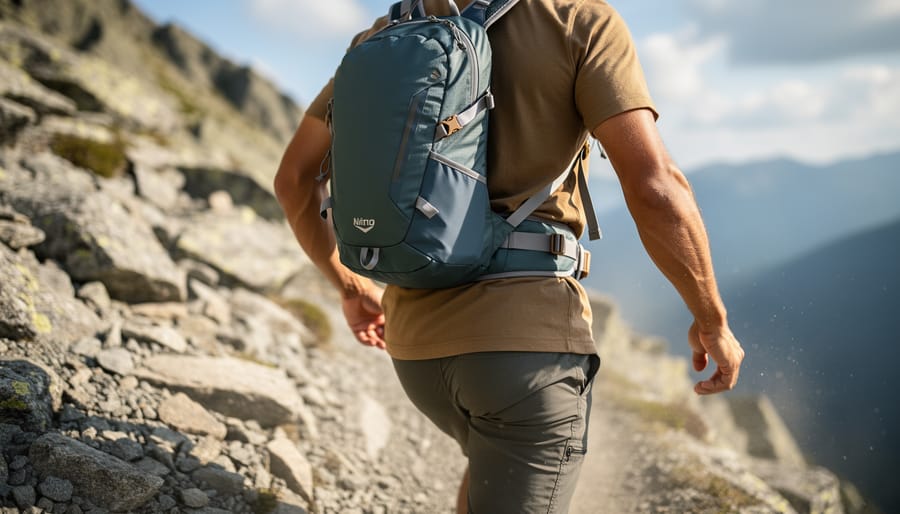
Even on ultralight packs, fit directly impacts comfort and load stability. Most small hiking bags offer one-size-fits-most designs with adjustable torso lengths via sliding harness systems or ladder-lock straps. Measure your torso from the C7 vertebra (the bump at the base of your neck) to the top of your iliac crest (hip bone). Small packs typically accommodate torso lengths from 15 to 20 inches, but check manufacturer specs, some brands run shorter or longer.
Hip belts on lightweight packs are minimal compared to overnight bags, but they still matter. Even a simple webbing belt prevents the pack from bouncing on steep descents and transfers some weight to your hips. Padded hip belts add an ounce or two but improve comfort when you’re carrying closer to the pack’s stated capacity. Sternum straps stabilize the shoulder straps and keep them from sliding outward during technical moves or scrambling.
Women’s-specific models like the Osprey Tempest 22, Deuter Speed Lite Pro 23 SL, and Osprey Sirrus 36 feature shorter torso ranges, narrower shoulder straps, and conical-shaped hip belts that better match female anatomy. These aren’t cosmetic adjustments, proper fit reduces pressure points and prevents the pack from riding too high or pulling backward. Try packs with realistic weight inside and adjust all straps before deciding. A well-fitted 20-ounce pack carries better than a poorly fitted 15-ounce one.
Ventilation and Comfort
Ventilation becomes critical when you’re hiking hard in warm weather with a pack pressed against your back. Small hiking bags typically use one of two approaches: traditional foam back panels with channels or suspended mesh systems that hold the pack away from your body.
Tensioned mesh back panels, like those found on the Osprey Talon 22 and Tempest 22, create airflow between the pack and your back, dramatically reducing sweat buildup on hot days. You’ll notice the difference immediately on uphill climbs. The trade-off is slightly reduced load stability compared to direct-contact panels, though this rarely matters at the lighter weights these packs carry.
Foam panels with ventilation channels cost less and weigh a few ounces less, which is why ultralight options like the REI Co-op Flash 22 use them. They work fine for cooler conditions or shorter hikes, but expect a sweaty back on extended summer outings.
Shoulder strap padding and hip belt design also affect comfort. Even lightweight packs need adequate padding if you’re carrying five to ten pounds of water, food, and layers. Look for contoured straps that distribute weight without adding bulk. On packs under 20 ounces, expect minimal hip belts or none at all, the weight savings make sense when your total load stays under fifteen pounds.
Organization and Accessibility
In a small hiking bag, thoughtful organization means carrying what you need without the weight penalty of excessive pockets and compartments. Most ultralight daypacks keep things simple: a main compartment with roll-top or drawstring closure, one or two external stretch pockets for quick-access items like snacks or a rain shell, and a hydration sleeve. The Osprey Talon 22 and Tempest 22 exemplify this balance, offering dual stretch side pockets and dual hip belt pockets without adding bulk.
Hip belt pockets deserve special attention, they’re invaluable for keeping your phone, GPS device, or energy bars within reach without stopping to dig through the main compartment. Even on lightweight packs, well-designed hip belt pockets add minimal weight while significantly improving trail convenience.
For hydration compatibility, check whether the pack includes an internal sleeve and hose routing to harness straps. The REI Co-op Flash 22 manages this at an ultralight weight, while some minimalist designs skip the sleeve entirely to save ounces, fine if you prefer water bottles in external pockets. Avoid packs with elaborate internal dividers or excess zipper compartments; they add weight and complexity that contradict the small hiking bag philosophy.
Types of Small Hiking Bags Compared
Small hiking bags fall into three distinct categories, each built around a different philosophy about what matters most when you plan a hiking trip. Understanding these categories helps you match a pack to your actual needs rather than chasing the lightest option regardless of whether it fits your hiking style.
Ultralight Minimalist Packs
These bags strip away everything except the essentials to hit weights around 10-14 oz. They typically use lightweight fabrics like Dyneema or sil-nylon, eliminate padding in the back panel and hip belt, and offer minimal organization beyond a main compartment. The trade-off is immediate: you sacrifice durability and comfort for maximum weight savings. These packs work brilliantly for experienced hikers who’ve dialed in their gear systems and can pack light consistently. They’re less forgiving if you need to carry extra layers, a larger water supply, or any gear beyond the absolute basics.
Feature-Rich Lightweight Daypacks
This middle ground balances reasonable weight (18-24 oz) with practical features that make daily use easier. Packs like the Osprey Talon 22 and REI Co-op Flash 22 include organized pocket systems, ventilated back panels, padded hip belts, and hydration compatibility without bloating the weight significantly. They use moderately durable fabrics that handle brush contact and occasional rougher treatment. The trade-off here is 6-10 oz more than an ultralight minimalist pack, but you gain versatility for varying conditions and comfort over longer days. Most hikers find this category hits the sweet spot between weight consciousness and real-world functionality.
Technical Alpine Packs
Designed for scrambling, mountaineering approaches, and rugged terrain, these packs prioritize load stability and gear-carrying features over sheer weight minimization. Models like the Rab Veil XP 30L include reinforced bottoms, ice axe attachments, helmet carries, and closer-fitting profiles that won’t shift during technical moves. They typically weigh 22-28 oz, heavier than pure daypacks but still light compared to traditional alpine packs. The trade-off is accepting extra ounces for specialized functionality you’ll actually use on exposed ridges or when carrying technical gear.
| Pack Type | Typical Weight Range | Best Use Case | Key Trade-offs |
|---|---|---|---|
| Ultralight Minimalist | 10-14 oz | Experienced hikers with dialed-in gear on established trails | Lowest weight but reduced durability and comfort |
| Feature-Rich Lightweight | 18-24 oz | Variable conditions, longer day hikes, versatile use | Moderate weight increase for practical features and comfort |
| Technical Alpine | 22-28 oz | Scrambling, mountaineering approaches, exposed terrain | Heaviest option but essential for technical demands |
Your choice depends on where you hike and how you use gear. Fair-weather trail hikers with minimal gear needs can thrive with ultralight minimalist designs. Those who face changing weather, carry camera equipment, or want one pack for multiple activities benefit from feature-rich models. Technical terrain demands the specialized capabilities of alpine-focused packs, making the weight penalty worthwhile for safety and functionality.
Top Small Hiking Bags for 2026
Best Overall: Osprey Talon 22 and Tempest 22
The Osprey Talon 22 and its women’s-specific counterpart, the Tempest 22, earn the best-overall spot because they nail the balance most hikers actually need. At just over 20 oz, they sit firmly in ultralight territory without sacrificing the organization and ventilation that make long day hikes comfortable. The AirScape back panel keeps air moving on warm ascents, while the hip belt pockets hold essentials like snacks and a first aid kit within easy reach. Both models feature dual stretch side pockets for water bottles, an included raincover, and hydration compatibility, features you’d expect to add weight but don’t here. The Tempest 22 offers a shorter torso length and adjusted shoulder harness geometry rather than being a scaled-down version, making proper fit easier for women. What sets these apart is versatility: they handle everything from quick morning scrambles to all-day ridgeline traverses without feeling compromised at either end.
Best Value: Deuter Speed Lite Pro 25/23 SL
The Deuter Speed Lite Pro 25 (and women’s-specific 23 SL) delivers serious performance without the premium price tag that often accompanies ultralight gear. This pack sits comfortably in the value sweet spot, it’s lighter than many budget options while offering better ventilation and organization than bare-bones ultralight designs.
What sets it apart is Deuter’s AirComfort back system, which provides excellent airflow without adding much weight. The pack includes practical features like stretchy side pockets, a lid pocket for quick-access items, and trekking pole attachments. The 23 SL model adjusts the torso length, shoulder straps, and hip belt specifically for women’s frames rather than simply scaling down the men’s version.
At around 25 liters, it handles typical day hike loads with room for extra layers or a light rain shell. The suspension system actually transfers weight to your hips, which matters on longer days when a frameless ultralight pack would leave your shoulders aching. It’s an ideal choice for hikers who want lightweight performance and genuine comfort without paying top dollar for cutting-edge materials.
Best Budget Ultralight: REI Co-op Flash 22
The REI Co-op Flash 22 stands out as the most accessible entry point into ultralight day hiking without compromising essential functionality. This pack typically weighs around 14 ounces, putting it well below the 20-ounce threshold while maintaining enough structure to carry a full day’s gear comfortably. What makes it particularly valuable is how REI engineered meaningful weight savings, frameless design, minimal padding, single-layer construction, without resorting to fragile materials or stripping away useful features like a hydration sleeve and multiple pockets.
The Flash 22 proves that budget-friendly doesn’t mean cheaply made. Its ripstop nylon construction handles trail abuse better than you’d expect at this weight and price tier, and the simple suspension system (removable foam framesheet, basic shoulder straps, optional webbing hip belt) works surprisingly well for loads up to 15 pounds. It’s not designed for heavy carries or technical terrain, but for minimalist day hikers who’ve refined their packing list, this pack delivers ultralight performance that previously required spending considerably more.
Best High-Capacity Option: Osprey Stratos 36 and Sirrus 36
The Osprey Stratos 36 and women’s Sirrus 36 make sense when you’re planning longer day hikes that demand extra layers, emergency gear, or photography equipment. While they push the upper boundary of what we’d call a small hiking bag, both models keep weight reasonable, around 2 lbs 10 oz, by using strategic frame construction and efficient materials. You’re getting nearly double the capacity of minimalist 20L packs without doubling the weight penalty.
These packs shine in variable conditions where you need to carry rain gear, insulation, and food for eight-plus hour trips. The AirSpeed suspension system keeps ventilation strong even with heavier loads, and the integrated raincover protects your gear without requiring a separate purchase. The Sirrus 36 offers women-specific fit adjustments including narrower shoulder straps and a shorter torso range. If you find yourself consistently cramming gear into smaller packs or skipping safety items because of space constraints, the extra volume here becomes a practical choice rather than unnecessary bulk.
Best for Technical Terrain: Rab Veil XP 30L
The Rab Veil XP 30L stands out for scrambling, alpine approaches, and exposed ridgelines where standard daypacks fall short. Its climbing-helmet-compatible lid, reinforced grab loops, and streamlined profile prevent snagging on rock while maintaining surprisingly light weight for a technical pack. The harness system compresses tight to your body during steep sections, keeping your center of gravity stable without restricting shoulder movement when you need full range of motion. Ice axe attachments and gear loops accommodate mountaineering essentials without the bulk of a full alpine pack. If your hikes regularly cross into Class 3 terrain or require hands-on scrambling, the Veil XP delivers specialized features that justify carrying a few extra ounces over ultralight alternatives that would struggle in these conditions.
Common Mistakes to Avoid When Choosing a Small Hiking Bag
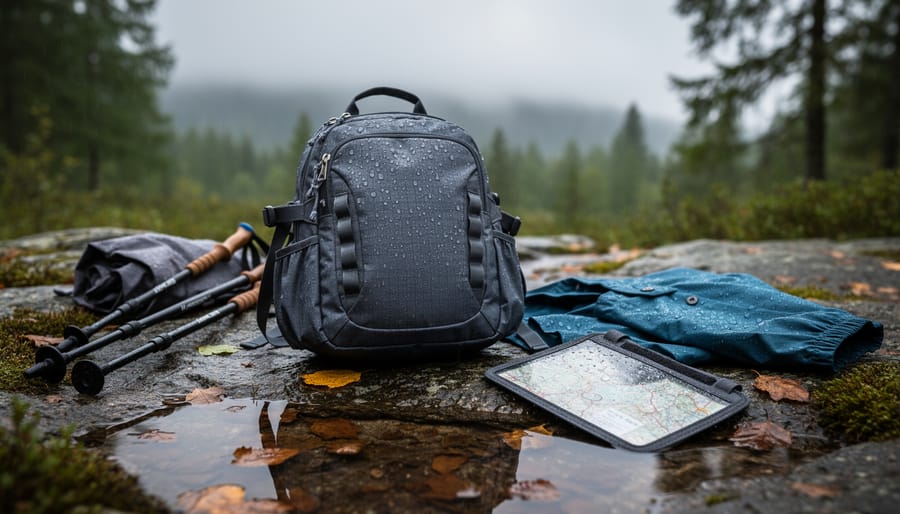
Choosing too small a capacity ranks among the most common errors. Hikers attracted to ultralight design often underestimate what they actually carry on day hikes, especially when weather changes or when following hiking safety tips that require extra gear. A 20L pack might seem adequate until you need to layer clothing, pack a waterproof jacket and bring sufficient water and food. Test your actual gear load at home before committing to a capacity.
Ignoring proper fit to save a few ounces creates real problems on the trail. An ultralight pack that doesn’t match your torso length will shift weight poorly, causing hot spots and fatigue that negate any weight advantage. Adjustable torso lengths and properly positioned hip belts matter, even on bags under a pound.
Overlooking hydration compatibility frustrates many buyers after purchase. Some minimalist designs skip hydration reservoir sleeves entirely or lack external water bottle pockets, forcing you to dig through the main compartment mid-hike. Verify how you’ll access water before buying.
Expecting overnight capabilities from a daypack sets unrealistic expectations. These packs target day hikes and ultralight missions, not weekend trips. Their minimal frames and suspension systems can’t comfortably handle overnight loads, sleeping bags, or cooking gear. Match the tool to the job.
Weather protection needs often get dismissed in the pursuit of weight savings. Bags without rain covers or water-resistant fabrics leave your gear vulnerable during sudden storms. Consider your typical hiking conditions and whether you’re willing to carry a separate pack liner or dry bags.
Frequently Asked Questions
What’s the minimum weight I should look for in a small hiking bag?
For a true ultralight small hiking bag, aim for around 20 ounces or less, with most quality options staying under one pound. Anything heavier starts to erode the weight-savings benefit that makes these packs worthwhile for minimalist day hiking.
Can ultralight small hiking bags handle four-season use?
Most ultralight daypacks work fine in three seasons, but winter hiking often requires carrying extra layers, safety gear, and insulation that push you beyond their capacity and durability limits. If you regularly hike in snow or extreme cold, consider a slightly more robust pack with weather-resistant materials, or accept that you’ll need a second, larger pack for winter missions.
How do I determine the right capacity for my needs?
Start by loading everything you typically carry on a day hike into your current pack, then measure that volume. If you’re a minimalist who carries just water, snacks, a shell, and first aid, 20-25 liters works well. For variable weather, extra layers, or longer days, look at 30-36 liters.
Are small hiking bags compatible with hydration bladders?
Most modern small hiking bags include hydration sleeves and exit ports for drinking tubes, though some ultralight models skip these features to save weight. Check the specs before buying if bladder compatibility matters to you, or plan to carry bottles in side pockets instead.
How long should I expect an ultralight small hiking bag to last?
Durability depends heavily on how you use it. Treat an ultralight pack gently, avoid overstuffing, keep sharp objects wrapped, don’t drag it on rock, and you can get several years of regular use. Push it hard on abrasive terrain or overload it consistently, and you might see wear after one season. The weight savings come from thinner fabrics and lighter hardware, which means they won’t take the same beating as a burlier pack.
Can I use a small hiking bag for overnight trips?
Small hiking bags are designed for day hiking, not overnight loads. While experienced ultralight backpackers sometimes push a 30-36 liter pack for one-night summer trips with minimal gear, you’ll lack the suspension, frame support, and capacity most people need for sleeping bags, pads, food, and camp equipment. If overnight hiking is your goal, you’re better served by a dedicated backpacking pack in the 40-65 liter range.
Beyond these core questions, remember that the answers to “which small hiking bag is best” always circle back to your specific hiking style and what you actually carry. A pack that works brilliantly for someone doing quick morning summit pushes might feel cramped and under-featured for a hiker who brings camera gear, field guides, and extra clothing. The models recommended earlier, like the Osprey Talon 22 for balanced versatility or the REI Co-op Flash 22 for budget ultralight performance, cover a range of priorities, but only you know which trade-offs align with how you hike.
One practical tip: if you’re stuck between two capacities, err slightly larger. You can always cinch down compression straps on a half-empty pack, but you can’t magically create space when the weather turns and you need to stuff in another layer. That said, resist the urge to fill every available liter just because it’s there. The discipline of packing light is what makes a small hiking bag shine in the first place.
How to Test and Break In Your Small Hiking Bag
Before you hit the trail with your new small hiking bag, a proper testing process at home will save you from discovering fit issues or pressure points miles into a hike. Start by loading the pack with the approximate weight you’ll actually carry, a common mistake is testing with too light a load, which won’t reveal how the suspension performs under realistic conditions.
Begin your testing routine with these specific steps:
- Load 8-12 lbs of gear that matches your typical hiking setup, including water weight
- Adjust the shoulder straps first, then tighten the hip belt so it sits on your hip bones
- Fine-tune the sternum strap and load lifters to distribute weight evenly
- Walk around your house or yard for 15-20 minutes, paying attention to any rubbing or hot spots
- Bend, twist, and reach overhead to check for restriction or shifting
- Remove the pack and check for red marks on shoulders, hips, or back that indicate pressure points
Most ultralight packs under 20 oz have minimal padding, so what feels slightly firm at home will become more noticeable after several miles. That’s normal, but sharp pain or numbness during your indoor test signals a fit problem you shouldn’t ignore.
For your first real hike, choose a familiar trail close to your car, ideally 3-5 miles with some elevation gain. This lets you test the pack’s performance without committing to a full day if issues arise. Expect the suspension to settle slightly during the first few outings as materials compress and conform to your body. The pack should feel progressively more comfortable, not worse, as you accumulate miles. If discomfort increases rather than decreases after three hikes, the fit likely isn’t right for your torso length or body shape.
Choosing the right small hiking bag isn’t about chasing the lightest pack or following the latest ultralight trends. It’s about understanding your specific needs and matching them to a pack that genuinely works for the way you hike. The key decision factors come down to four elements: the weight you’re willing to carry on your back, the capacity that fits your actual gear requirements, the fit that keeps you comfortable mile after mile, and the intended use that drives your feature priorities.
A minimalist who logs regular day hikes needs something entirely different from someone tackling technical alpine routes or variable weather conditions. The Osprey Talon 22 excels for most hikers because it balances these factors well, but it might be overkill for ultralight purists who’d be happier with an REI Flash 22, or insufficient for those needing the 36-liter capacity of an Osprey Stratos.
The best small hiking bag is the one you forget you’re wearing while it carries exactly what you need and nothing more. Focus on your hiking style, test the fit with realistic loads, and trust your own experience over marketing claims or online hype.