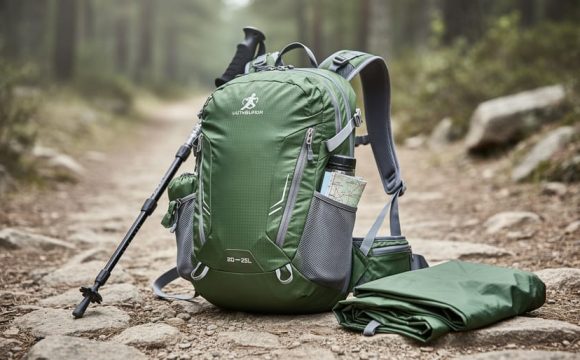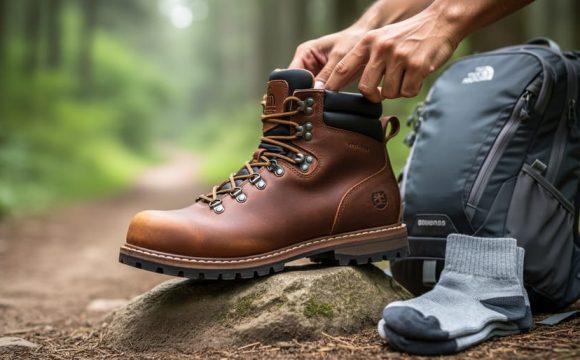
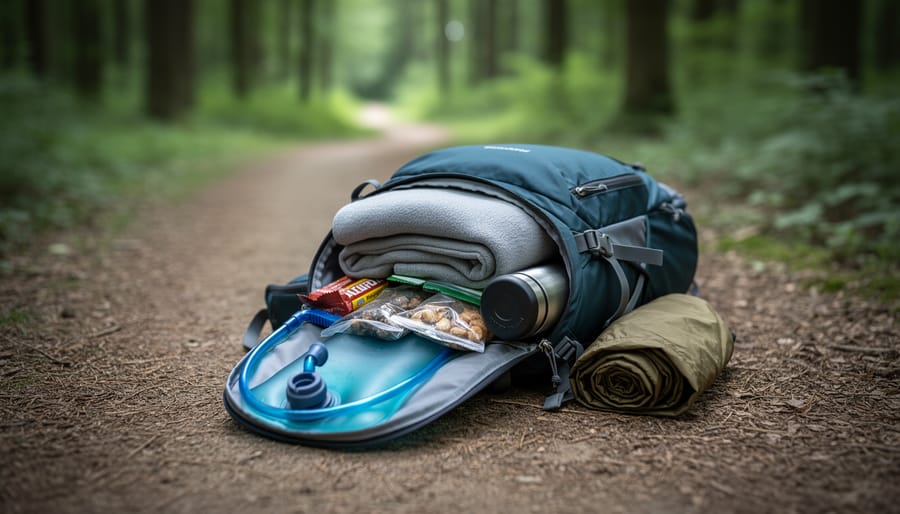

A small hiking backpack typically ranges from 15 to 25 liters and is designed to carry water, snacks, and essential gear for day hikes without the bulk of overnight packs. These streamlined packs have surged in popularity as more hikers embrace minimalist approaches to shorter adventures, prioritizing mobility and comfort over carrying capacity. The defining trait isn’t just size but efficiency: a well-designed small pack distributes weight close to your body, includes smart organizational features, and sheds unnecessary pounds so you can move faster and farther without fatigue.
The challenge is distinguishing between a genuinely capable daypack and one that simply looks good on the shelf. Patagonia defines this category clearly as packs built to handle water and snacks for typical day trips, while larger options step in when day hikes unexpectedly extend overnight. Among tested models, the Deuter Speed Lite 21 stands out for balancing ventilation, durability, and weight savings without sacrificing load stability.
Choosing the right pack means understanding your actual carry needs, identifying must-have features like hydration compatibility and hip belt support, and avoiding common pitfalls like buying too small or overpaying for features you won’t use. This guide breaks down the key selection criteria, compares pack types across the small-volume spectrum, and delivers vetted recommendations to help you confidently invest in gear that performs when trails get serious.
What Makes a Small Hiking Backpack Different
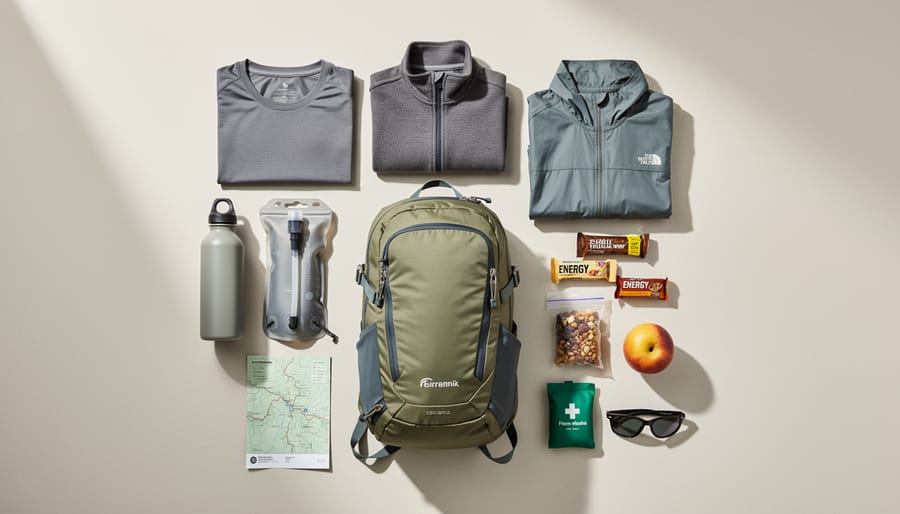
Small hiking backpacks typically range from 15 to 25 liters, enough room for water, snacks, a rain jacket, and the core hiking essentials you need for a few hours on the trail. They’re purpose-built for day hikes where you start and finish at the same trailhead, not multi-day trips that require sleeping bags, tents, and camp stoves. This focused design keeps weight down and mobility up, which matters when you’re moving quickly on well-marked trails.
The line between a small day pack and a larger overnight bag comes down to how much gear you actually need. Patagonia frames it clearly: a small pack handles water and snacks for planned day trips, while a bigger bag becomes necessary when a day trip turns into an unexpected overnight. That distinction helps you avoid carrying unnecessary volume and weight on shorter outings.
Within the broader hiking gear ecosystem, small packs occupy a sweet spot between ultralight minimalist rigs and full-featured technical backpacks. They offer enough organization and comfort for moderate distances without the bulk that slows you down on quick morning hikes. When you plan a hiking trip matching your pack size to the actual duration and conditions prevents both overpacking and finding yourself short on capacity when conditions change.
Essential Features to Look For
Capacity and Size Balance
Most day hikers need a pack between 15 and 25 litres, enough for essentials without weighing you down. This range comfortably holds two litres of water, snacks for the day, a spare layer or two, a first aid kit, and your phone. Think about what you actually carry on a typical outing: if you’re the type who packs a rain jacket, an extra fleece, and lunch, you’ll want the upper end of that range. If you prefer moving fast with just water and a granola bar, 15 litres will do.
Resist the temptation to go bigger “just in case.” A half-empty 35-litre pack bounces awkwardly and throws off your balance, making even short hikes less enjoyable. On the flip side, cramming a puffy jacket into an overstuffed 12-litre pack means crushed snacks and no room for the hiking outfit layer you shed after the first climb.
Load your pack at home with your usual gear, water bottles, food, an extra shirt, and see how it feels. If you’re struggling to zip it closed or can’t reach the main compartment without unpacking everything, the capacity isn’t right for your needs.
Comfort and Fit Considerations
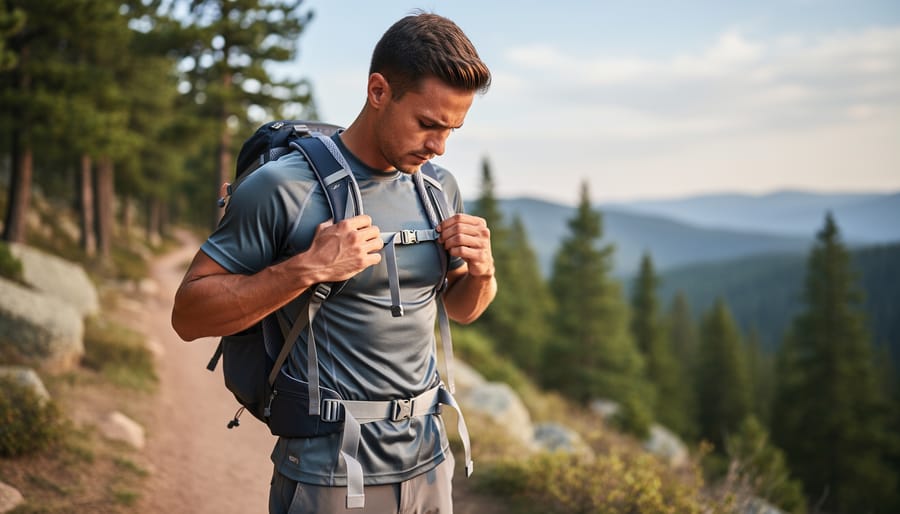
A poorly-fitting pack turns a pleasant day hike into a shoulder-aching ordeal, so proper fit matters as much as any feature list. Start with shoulder straps, they should sit flush against your shoulders without gaps, distribute weight evenly, and feature enough padding to prevent pressure points when the pack is loaded. Thin, minimalist straps work fine for ultralight loads under five pounds, but you’ll want more cushioning if you’re carrying camera gear or extra layers.
The back panel design determines how the pack rides against your body. Look for mesh panels or channeled foam that promotes airflow and prevents the sweaty-back effect on warm-weather hikes. Some small packs use a tensioned mesh design that holds the pack slightly away from your back, dramatically improving ventilation at the cost of a slightly less stable carry.
A sternum strap is essential even on small packs, it keeps shoulder straps from sliding off your shoulders and stabilizes the load when you’re scrambling or moving fast. Most small hiking backpacks skip hip belts entirely since the light loads don’t require hip support, but a few models offer removable webbing belts that help on longer days. Test the pack loaded with realistic weight before committing; what feels comfortable empty often reveals fit issues once you add water, snacks, and a windbreaker.
Weight and Packability
Every ounce counts when you’re covering miles on foot. A pack that weighs 1.5 pounds feels noticeably different at mile five than one pushing three pounds, even when both carry the same load. For day hikes where you’re packing water and snacks rather than overnight gear, look for packs in the 12-20 ounce range for ultralight models, or under two pounds for feature-rich options that still prioritize weight savings.
Packability matters more than most buyers realize. The best small packs compress down when partially loaded, preventing contents from shifting and maintaining a slim profile on your back. Some models stuff into their own pocket for travel or storage between trips, useful if you’re flying to a trailhead or need the pack to disappear into luggage.
Check whether compression straps actually cinch the load effectively. Straps that don’t pull tight or create awkward bunching add bulk without benefit. A pack that rides flat against your back when carrying just a jacket and water bottle will feel better than one that balloons out, no matter what the spec sheet claims.
Organization and Access
A well-organized pack lets you grab what you need without stopping to dig through everything. The best small hiking backpacks place frequently-used items, sunscreen, snacks, your phone, in exterior stretch pockets or top-lid compartments you can reach while wearing the pack. Look for a design that separates your water and snacks from layers or a first-aid kit, so you’re not unpacking half the bag to find your trail mix.
Hydration compatibility matters more than you might expect. Most quality packs include a sleeve for a water reservoir and routing for the drinking tube, but some budget models omit this feature entirely. Even if you prefer bottles, check that side pockets actually hold them securely when full, a water bottle that slips out on uneven terrain defeats the purpose.
The sweet spot is enough organization to keep essentials accessible without adding weight through unnecessary compartments. A main compartment, two side pockets, and one quick-grab pocket handle most day-hike needs. More pockets mean more zippers to fail and more time deciding where everything goes. The gear you carry should be easy to access, not engineered into a complex system.
Durability and Weather Resistance
A day pack that falls apart mid-season costs more than buying quality upfront. Look for ripstop nylon or polyester in the 200-400 denier range, thick enough to resist abrasion from rocks and branches, light enough to keep pack weight down. Check reinforced stitching at stress points: shoulder strap attachments, bottom seams, and zipper corners take the most punishment on the trail.
Water resistance matters more than full waterproofing for most day hikes. A durable water repellent (DWR) coating sheds light rain and morning dew without adding weight or bulk. Bottom panels with extra coating protect your gear when you set the pack down on wet ground. If you regularly hike in heavy rain, consider a pack with an integrated rain cover or plan to add one separately, fully waterproof fabrics sacrifice breathability and add cost.
Examine zippers closely before buying. YKK or similar quality pulls resist snagging and operate smoothly when the pack is stuffed full. Bartacked reinforcements at the base of straps prevent tearing under load. A pack built to last through hundreds of trail miles shows attention to these construction details, not just flashy features.
Types of Small Hiking Backpacks Compared

Small hiking backpacks fall into three distinct categories, each designed for different trail priorities. Understanding these types helps you match a pack to your hiking style rather than settling for a one-size-fits-all solution.
Ultralight minimalist packs strip away everything but the essentials. These designs sacrifice padding, pockets, and often hip belts to keep weight under a pound. They work well for fast-and-light hikers who carry only water, day hike foods and a lightweight shell. You’ll notice the weight savings immediately, but you pay for it in organization and comfort when the pack is fully loaded. If you typically hike five miles or less and prefer moving quickly, this category deserves serious consideration.
Feature-rich day packs sit at the opposite end of the spectrum. These models include hydration sleeves, multiple compartments, reinforced bases, and adjustable suspension systems. They’re heavier than minimalist options but offer superior organization and load distribution. Hikers who carry cameras, field guides, extra layers, and substantial food prefer this approach. The trade-off is straightforward: you get convenience and comfort at the expense of extra ounces.
Hybrid designs attempt to bridge both worlds. These packs include basic organizational features, maybe two or three pockets and a simple frame sheet, while keeping weight reasonable. They suit hikers who want more than a stuff sack but don’t need every bell and whistle. The Deuter Speed Lite 21 exemplifies this category, balancing weight and functionality for standard day trips.
| Pack Type | Typical Capacity | Best For | Key Trade-Off |
|---|---|---|---|
| Ultralight Minimalist | 15-20L | Short, fast hikes with minimal gear | Comfort sacrificed for weight savings |
| Feature-Rich Day Pack | 20-30L | Longer day hikes with multiple items | Extra weight for organization and comfort |
| Hybrid Design | 18-25L | Standard day trips with moderate gear | Compromises on both ends of the spectrum |
Your choice depends on what you actually carry and how far you hike. A minimalist pack feels liberating on a three-mile loop but inadequate when conditions change and you need that extra layer. A feature-rich model feels reassuring on an all-day trek but excessive for a quick morning hike. Most hikers who stick to standard day trips find hybrids hit the sweet spot, offering enough organization without weighing them down unnecessarily.
Top Small Hiking Backpack Recommendations for 2026
The Deuter Speed Lite 21 consistently earns top marks in independent testing for good reason, it balances weight, organization, and durability without the feature bloat that plagues many day packs. The mesh back panel provides genuine ventilation on sweaty ascents, while the reinforced base holds up to repeated trail abuse. It’s particularly well-suited for hikers who prioritize reliability over ultralight minimalism and need a pack that performs across varying conditions.
Beyond the Speed Lite 21, several other models excel in specific contexts. The right choice depends on your priorities, whether that’s shaving grams, maximizing pocket access, or finding a pack that transitions seamlessly from trail to travel.
- Deuter Speed Lite 21Proven all-arounder with excellent ventilation and durability; ideal for hikers who want dependable performance without overthinking gear choices.
- Osprey Talon 22Feature-rich option with multiple pockets and attachment points; best for organized hikers who carry varied gear and value quick access.
- REI Co-op Flash 22Budget-conscious pick that doesn’t sacrifice essential features; suits beginners testing the day hiking category before investing heavily.
- Gregory Nano 18Ultralight minimalist design that stows into its own pocket; perfect for fast-and-light hikers who strip gear to essentials.
- Patagonia Nine Trails 20Versatile hybrid with clean styling that works on trails and in town; appeals to hikers seeking one pack for outdoor and everyday use.
Each recommendation reflects field performance rather than marketing claims. The Talon 22’s dual side pockets genuinely improve organization, while the Flash 22 delivers surprising quality at its price point. The Nano 18 commits fully to weight savings, you’ll notice the absence of a frame sheet on longer days. The Nine Trails 20 bridges the gap between technical performance and practical versatility, making it suitable for hikers who want gear that doesn’t scream “outdoor equipment” when they’re off the trail.
Testing notes reveal consistent patterns: ventilated back panels matter more than you’d expect on warm days, reinforced bottoms prevent premature wear, and thoughtful pocket placement reduces the fumbling that disrupts hiking rhythm. The packs listed here clear those practical thresholds while serving distinct user preferences.
Common Mistakes to Avoid When Buying
Buying a small hiking backpack often feels straightforward until you realize the pack you chose doesn’t match how you actually hike. One of the most common mistakes is selecting a pack based on aesthetics alone, opting for the sleekest design or trendiest color without considering whether it actually fits your torso length or carries weight comfortably. Style matters, but a gorgeous pack that digs into your shoulders after two miles creates misery, not Instagram moments.
Ignoring fit is another critical error. Many buyers skip the adjustment process entirely, assuming one size fits all or that they’ll “make it work” on the trail. Without proper fitting, adjusting shoulder straps, positioning the sternum strap correctly, and ensuring the back panel sits flush, even a well-designed pack becomes uncomfortable. Test the fit with weight in the pack, not empty, since load distribution changes everything.
Overlooking hydration compatibility frustrates hikers who later discover their pack has no sleeve for a water reservoir or external pockets won’t accommodate their preferred bottle size. If you rely on a hydration bladder, verify the pack includes a dedicated sleeve and routing for the hose before purchasing.
Finally, buyers frequently neglect intended use alignment. A pack designed for ultralight minimalist missions won’t serve someone who carries camera gear and extra layers. Patagonia distinguishes between packs for carrying water and snacks versus those built for unexpected overnights, choosing the wrong category for your typical adventures guarantees dissatisfaction. Match the pack’s design philosophy to your actual hiking habits, not your aspirational ones.
How to Test and Break In Your Pack
Before committing to a new small hiking backpack, run it through a proper evaluation at home and on the trail. Start by loading the pack as you would for a typical day hike, water bottle or reservoir, snacks, extra layer, and your hiking first aid kit. This realistic weight lets you assess comfort and organization under actual conditions rather than guessing with an empty pack.
Walk around your house for fifteen minutes with the loaded pack, adjusting the shoulder straps first for even weight distribution across your shoulders. If your pack includes a sternum strap, clip it at a comfortable height that doesn’t restrict breathing. Hip belts on small packs should sit on your hip bones, not your waist, though many minimalist designs skip this feature entirely for day-trip loads.
Take the pack on a short local hike, two to three miles, before any longer adventure. Pay attention to hot spots, pressure points, or shifting weight as you move. The pack should feel stable when you bend to tie a shoe or navigate uneven terrain. Check pocket accessibility while wearing the pack and verify that you can reach your water without removing it.
If discomfort persists after proper adjustment, the pack likely doesn’t match your torso length or body shape. A pack that feels wrong after two試 trial outings won’t improve with more use. Trust your body’s feedback early rather than forcing a poor fit to work.
Frequently Asked Questions
What capacity is considered a small hiking backpack?
Small hiking backpacks typically range from 15 to 25 liters, designed to carry water, snacks, and light layers for day trips. Anything above 30 liters generally crosses into overnight or multi-day territory.
Will a small hiking backpack fit as airline carry-on?
Most small hiking backpacks under 25 liters fit airline carry-on requirements, though you should verify dimensions against your specific carrier’s limits. The streamlined design usually slides under seats or into overhead bins without issue.
Can I use a hydration bladder in a small hiking backpack?
Many small hiking backpacks include hydration compatibility with internal sleeves and tube routing ports, though not all models offer this feature. Check product specifications if hydration system integration is a priority for your hiking style.
When should I size up to a larger backpack instead?
Consider a larger pack when you regularly carry camera gear, extra clothing layers, or camping equipment that exceeds what water and snacks require. If your day trips occasionally turn into unexpected overnights, a bigger bag provides the flexibility you need.
Do small backpacks need hip belts?
Hip belts are optional on small packs since lighter loads don’t require weight transfer to your hips. Some hikers prefer the minimalist feel without a hip belt, while others appreciate the stability it provides on rougher terrain.
These questions reflect what we see most often from hikers evaluating small packs for the first time. The capacity question matters because manufacturers sometimes blur the line between compact day packs and larger overnight bags, leading to confusion about what truly qualifies as small. Understanding that distinction helps you avoid buying more pack than you need.
The carry-on compatibility question has become increasingly relevant as more people use hiking backpacks for travel beyond the trail. A properly sized small pack does double duty for both day hikes and weekend flights, though individual airline policies vary enough that checking specific dimensions remains worthwhile.
Hydration system questions surface frequently because bladder compatibility isn’t universal in this category. Some ultralight designs skip the feature entirely to save weight, while feature-rich models integrate sleeves and ports specifically for hydration systems. Your drinking preferences on the trail should guide whether this capability matters for your purchase decision.
The right small hiking backpack transforms a good day hike into a great one. When your gear carries comfortably, stays organized, and matches your actual needs on the trail, you spend less time fiddling with straps and more time enjoying the scenery.
As you’ve seen throughout this guide, successful pack selection comes down to three priorities: fit trumps everything, capacity should match your typical outings (not your aspirational ones), and intended use matters more than feature count. A pack designed to carry water and snacks for day trips will serve you better than an over-engineered option loaded with compartments you’ll never touch.
Before you buy, try the pack on with weight in it, walk around, and adjust the straps. A pack that feels great empty can dig into your shoulders once loaded. Trust what your body tells you during that test. If the fit isn’t right or the capacity doesn’t align with how you actually hike, features like extra pockets or clever organization won’t fix the fundamental mismatch.
Choose thoughtfully, test thoroughly, and you’ll find a small hiking backpack that becomes your trusted companion for years of day trips ahead.