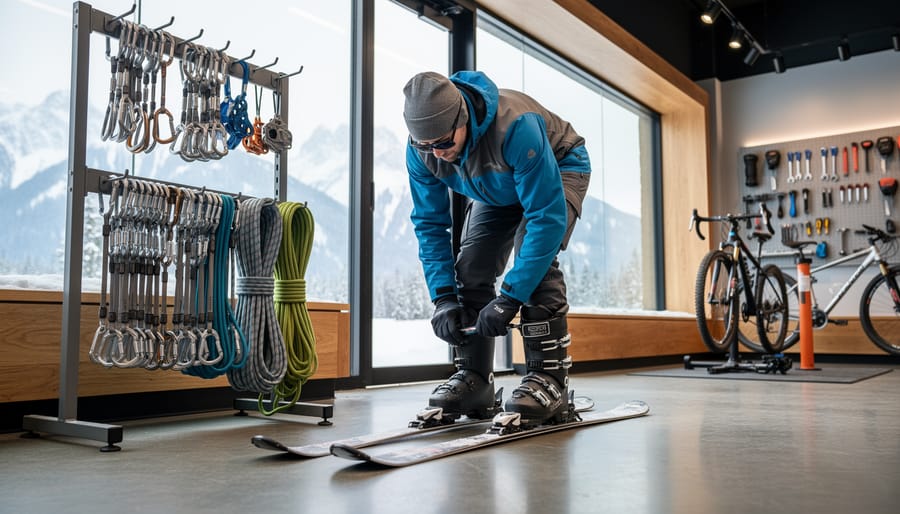

MEC Calgary became the Rockies gateway’s essential outdoor hub because it offered more than gear: it built a community space where beginners could learn from staff who’d summited local peaks, where seasoned climbers swapped beta between the rope racks, and where every transaction felt like trip prep with someone who understood why you needed that specific crampon model for Ha Ling. The downtown location at 830-10th Avenue SW anchored this culture for years, serving as the natural meeting point before dawn departures to Kananaskis and the place you’d stop after work to fine-tune your touring skis or get expert bike repairs before tackling the Bow Valley trails.
What separated MEC Calgary from ordinary outdoor retailers was its integration into the lifestyle rhythms of Alberta adventurers. Free membership unlocked 10% off select MEC tents, sleeping bags, and backpacks without waiting for sales or hunting promo codes, while Summit members gained priority access to those crucial pre-season tune-ups. Staff weren’t just selling products; they were solving real problems for people heading into real conditions, whether that meant selecting the right layering system for February ascents or troubleshooting gear failures that happened on last weekend’s trip. This expertise, combined with repair services that kept beloved equipment in rotation rather than landfills, created loyalty that transcended typical retail relationships and cemented MEC’s role as base camp for Calgary’s outdoor community.
The Geographic Advantage: Calgary’s Gateway Position
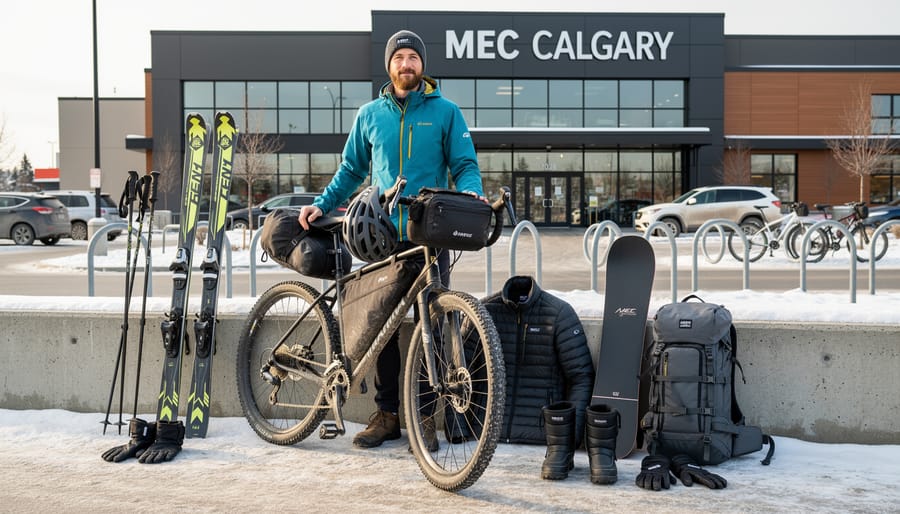
Calgary sits less than an hour from where the prairies buckle into the Rocky Mountains. That proximity shapes everything about outdoor gear needs here. Drive west on the Trans-Canada Highway and you’re climbing toward Banff in ninety minutes. Head south and you’re accessing Kananaskis Country backcountry trailheads before lunch. This geography creates a unique challenge: outdoor enthusiasts need equipment that works across wildly different environments, often within the same weekend.
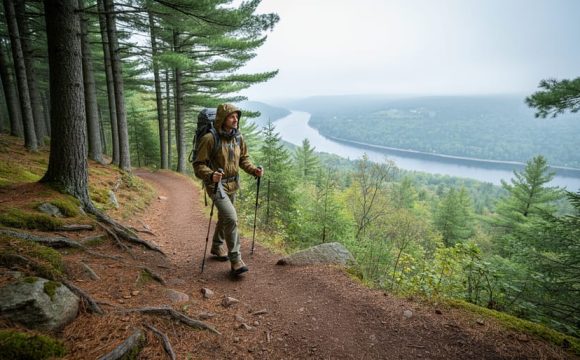
The terrain variety matters more than the distance. A Calgary-based hiker might tackle alpine scrambles above treeline on Saturday, then explore river valley trails at lower elevations on Sunday. Cyclists shift from mountain biking technical singletrack in summer to fat-biking snow-packed paths in winter. Climbers move between limestone sport routes and multi-pitch ice climbs depending on the season. This isn’t theoretical versatility. It’s the actual pattern of how people here use the mountains.
Seasonal shifts compound the gear demands. Alberta’s temperature swings mean a single person might need a four-season tent, a lightweight summer bag, and a winter-rated sleeping system. The cycling season stretches year-round for committed riders, but the equipment changes dramatically between July gravel rides and January commutes. Ski touring, ice climbing, and winter camping extend the outdoor calendar when other regions shut down.
These factors explain why generic outdoor retailers struggle in Calgary. A store stocking only hiking gear or only cycling equipment can’t serve someone planning a spring ski-mountaineering trip followed by summer backpacking. MEC positioned its 830-10th Avenue SW location to address this reality by maintaining deep inventory across categories. The store became essential not because Calgary lacks alternatives, but because the local outdoor lifestyle demands a gear hub that matches the geographic complexity. When your weekend plans might require crampons or a bike tube depending on weather and conditions, you need a retailer that stocks both and understands why you’re buying them together.
What Makes MEC Calgary Different From Generic Outdoor Retailers
The Membership Model That Actually Makes Sense
MEC flipped the retail loyalty script by making membership genuinely free and immediately useful, no strings attached. Sign up once, and you get 10% off select MEC tents, sleeping bags, and backpacks every single time you shop. There’s no waiting for seasonal sales, no hunting for promo codes, and no minimum purchase requirements. The discount applies when you need it, which for Calgary’s outdoor crowd often means right before a trip when timing matters more than waiting for a potential future sale.
This structure stands in sharp contrast to traditional outdoor retailer loyalty programs that lock benefits behind spending thresholds or tier systems. You don’t need to drop several hundred dollars to access better pricing, and you’re not chasing points that expire before you accumulate enough to matter. The always-on approach removes the psychological game of wondering if you’re getting a fair price or should wait for a better deal.
For the outdoor community, this transparency resonates because it mirrors the values many already hold about gear purchasing. When you’re investing in equipment that needs to perform in the backcountry, the decision hinges on getting the right item when you need it, not gaming a rewards system. The membership model acknowledges that reality. It treats customers as partners in their own outdoor pursuits rather than points-accumulators to be manipulated through temporary promotions.
The simplicity matters too. Calgary adventurers planning weekend trips into Kananaskis or multi-day routes in the Rockies can budget accurately, knowing their member discount applies without checking if this weekend qualifies. That predictability, combined with the staff expertise and repair services, creates a retail relationship built on function rather than marketing tactics.
How MEC Calgary Built Community Beyond Commerce
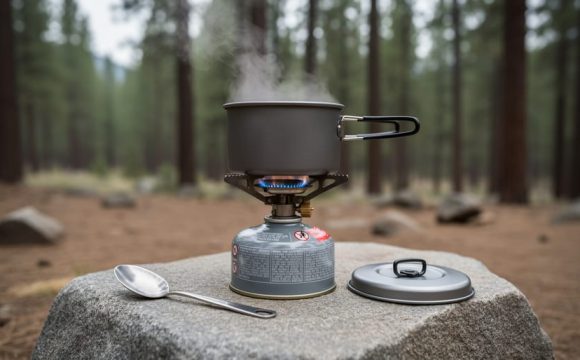
MEC Calgary’s evolution into a community hub happened organically through thousands of small interactions that built trust beyond typical retail transactions. Staff members who spent weekends testing gear in Kananaskis returned Monday with first-hand beta on performance in local conditions, creating a knowledge base no corporate training manual could replicate. When a customer asked about the best camping stoves for windy alpine environments, they weren’t getting a script, they were hearing from someone who’d cooked breakfast at 2,400 meters the previous Saturday.
This gear-testing culture transformed the 830-10th Avenue SW location into a pre-trip planning destination. Climbers would stop in not just to buy rope but to sketch out routes with staff who knew current conditions on Yamnuska’s east face. Cyclists planning bikepacking trips through the Ghost Wilderness found themselves in 30-minute conversations about water sources and gravel tire pressures with employees who’d ridden those same fire roads.
The knowledge-sharing extended beyond staff interactions. The gear wall became an informal gathering spot where strangers compared notes on tent condensation issues or debated the merits of different insulation types. Weekend mornings saw impromptu clinics where experienced members showed newcomers how to adjust harnesses or pack a winter overnight kit efficiently.
This community dimension explains why MEC Calgary attracts the “adjacent territory” searches, queries that reveal people looking for expert guidance and cultural connection rather than transactional shopping. They’re asking whether their gear choices align with what the local mountain community actually uses, whether the store’s repair services can handle their specific equipment, and whether they’ll find people who understand their ambitions rather than just processing their purchases. The answer consistently proved yes, not through marketing but through accumulated interactions that made MEC Calgary synonymous with credible outdoor expertise in southern Alberta.
What Calgary Outdoor Enthusiasts Actually Use MEC For
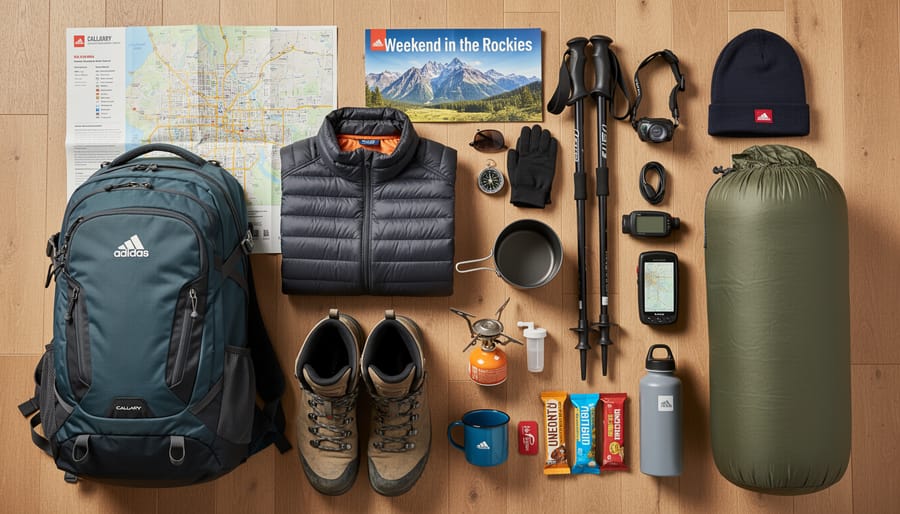
Calgary adventurers use MEC as their planning headquarters, not just a store. Walk into the 830-10th Avenue SW location on a Thursday evening and you’ll find people comparing tent stakes, asking staff about shoulder-season layering systems, and marking trailhead coordinates on paper maps. This isn’t casual browsing; it’s the pre-trip ritual that happens before every major expedition.
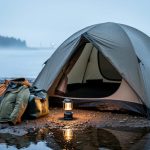
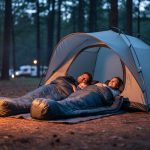
For camping enthusiasts, MEC functions as the seasonal gear checkpoint. Spring means inspecting sleeping bags for moisture damage and replacing worn tent poles before the long weekend rush. Summer brings the scramble for bear canisters and solar panels to generate power at remote sites. Come fall, people upgrade to four-season shelters while staff help calculate the R-value needed for October nights in Kananaskis. The 10% member discount on MEC-branded tents and sleeping bags makes this annual refresh cycle affordable rather than financially punishing.
Cyclists treat MEC like a pit crew. The on-site bike repair service handles everything from basic tune-ups before Spray Lakes rides to emergency derailleur adjustments when someone’s planning a bikepacking trip the next morning. Summit members jump the repair queue, which matters when you need fresh brake pads installed before a weekend departure. Between service appointments, riders swing by to grab panniers, test saddle bags, or consult staff about gravel versus road tire choices for mixed-terrain routes.
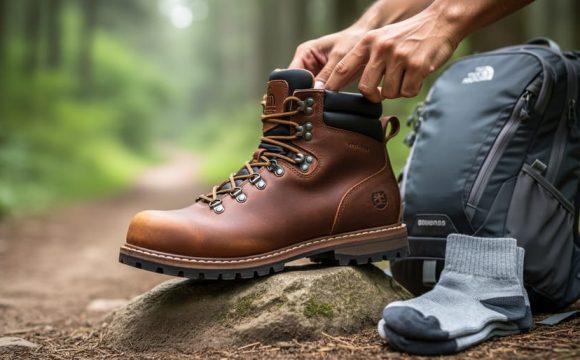
Climbers use MEC differently. They’re not here for last-minute purchases; they’re researching protection systems, comparing carabiner gate actions, and asking technical questions about rope elongation ratings. Beginners arrive ready to plan a hiking trip that includes scrambling sections, then leave understanding what approach shoes actually do. Experienced climbers swap beta about which MEC harnesses fit comfortably under winter layers and which quickdraws hold up to limestone abrasion at Grassi Lakes.
This lifecycle support is why the same faces appear season after season. People don’t replace all their gear at once; they upgrade components as skills develop and conditions demand. MEC’s layout supports this gradual evolution, letting someone browse new backpacks while their bike gets serviced, or compare stove options while waiting for climbing rope advice. It’s efficient, practical, and built around how Calgary adventurers actually prepare for trips rather than how retail theory says they should shop.
MEC Calgary’s evolution into the region’s primary outdoor hub happened because the store solved real problems that traditional retailers ignored. The free membership structure eliminated the transactional friction that keeps casual explorers from committing to outdoor pursuits. When someone can walk in, join immediately, and access 10% off core gear without tracking sales or promo codes, the barrier between curiosity and action disappears. The bike and ski repair services transformed the store from a point-of-purchase into a year-round maintenance partner, creating recurring touchpoints that build trust and expertise-sharing.
This shift reflects a broader change in how outdoor enthusiasts evaluate gear store reviews. They’re no longer asking whether a retailer stocks quality products. They’re asking whether that retailer understands their specific terrain challenges, supports their skill development, and connects them with others who share their commitment to getting outside. MEC Calgary answered those questions by focusing on practical services that keep people active rather than marketing campaigns that simply move product.
The 830-10th Avenue SW location became a community hub because it treated outdoor recreation as a lifestyle requiring ongoing support, not isolated transactions. Staff who could recommend trail-specific gear, repair a derailleur, and explain backcountry navigation created value that transcends price comparison. Calgary’s outdoor community chose MEC because the store chose to serve the full arc of their adventures.