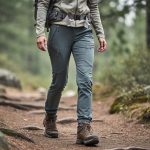
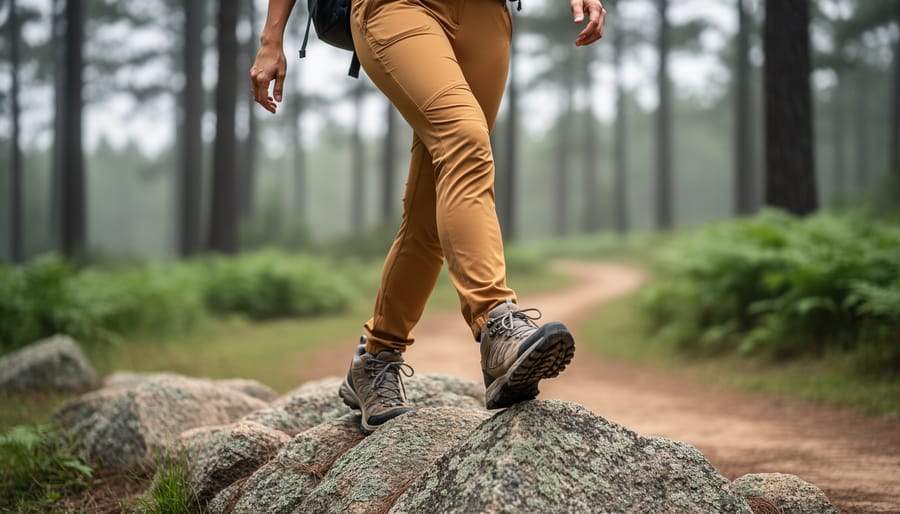

The best hiking pants for women in 2026 combine stretch mobility, weather resistance, and durability without the bulk of traditional outdoor trousers. After field-testing dozens of models across desert scrambles, alpine approaches, and humid forest trails, the Outdoor Research Ferrosi ($110) stands out as the top choice overall, offering exceptional breathability and four-way stretch that handles technical terrain without restriction. For those preferring a slimmer cut with similar performance, the Stio Glide Tech runs a close second, while budget-conscious hikers will find serious capability in the REI Co-op Trailmade at just $80.
The difference between hiking pants and your everyday pants comes down to engineered fabrics that dry fast, resist abrasion on rock and brush, and move with you during high steps and scrambles. Modern hiking pants use materials like nylon blends with mechanical stretch or elastane that recover their shape after a full day of knee bends and stream crossings. Many now feature PFAS-free water repellent treatments, a meaningful shift from older DWR coatings.
Choosing the right pair means matching pant style to your typical conditions. Lightweight softshells work for three-season day hikes, while insulated or waterproof options suit winter or wet climates. Convertible zip-offs remain popular for variable weather, though full-length pants with venting offer cleaner lines and better durability. Understanding these categories and the features that actually matter on trail will save you from common mistakes like prioritizing pockets over fabric performance or choosing fashion fit over functional movement.
What to Look for When Buying Women’s Hiking Pants
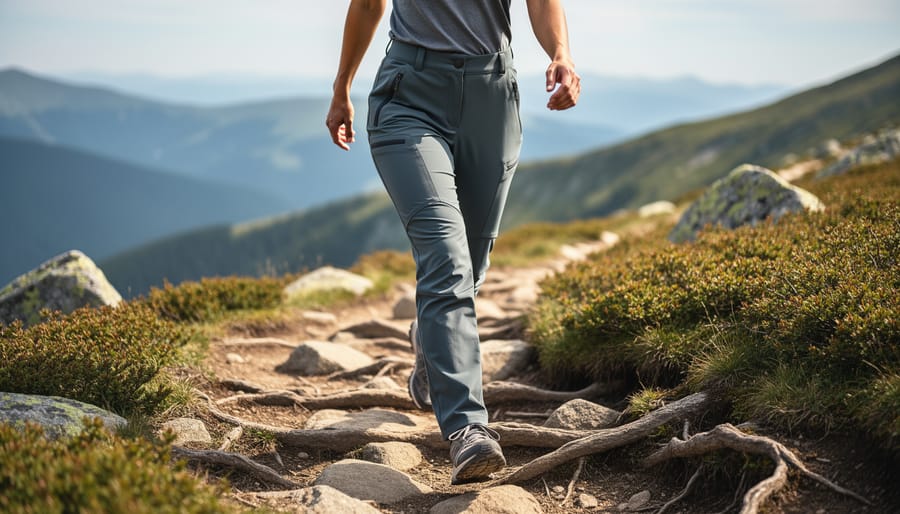
The right hiking pants balance three critical elements: fit, fabric performance, and features that match your typical terrain. Unlike everyday athletic pants, hiking-specific designs handle rough trail conditions, variable weather, and hours of continuous movement without chafing or restricting your stride.
Start with fabric type and durability. Most quality hiking pants use nylon or polyester blends, often in ripstop weaves that resist tears from branches and abrasion from rock scrambles. Heavier fabrics offer more durability but sacrifice breathability and packability. For three-season use, look for weights between 4 and 7 ounces per square yard. Lightweight trekking pants drop to 3 ounces but won’t hold up to bushwhacking or consistent pack wear.
Water resistance determines how well pants shed moisture and dry quickly. Durable water repellent treatments create a surface coating that causes water to bead and roll off rather than soaking in. The REI Co-op Trailmade Pants use a DWR made without PFAS, reflecting the industry’s shift toward safer chemistries. For serious rain protection, some pants integrate a waterproof-breathable membrane directly into the fabric, though these typically cost more and add weight. Match the water resistance to your environment: Southwest hikers rarely need full waterproofing, while Pacific Northwest trails demand it regularly. Pair water-resistant pants with a waterproof jacket for complete coverage.
Breathability and stretch work together to regulate temperature and enable full range of motion. Fabrics with mechanical stretch (woven with elastane or spandex) move with you during high steps, steep ascents, and scrambling. Poor breathability traps sweat against your skin, creating discomfort and chafing on warm days or during intense climbs. Look for articulated knees and gusseted crotches that enhance mobility without pulling or binding.
Fit and cut vary significantly across brands and models. Women’s-specific designs account for hip-to-waist ratios and typically offer multiple inseam lengths. Rise matters: low-rise pants gap at the waist when you bend forward with a pack, while mid-to-high rise options stay in place. Test the fit by lifting your knee to chest height and performing a deep squat. If the fabric pulls tight or the waistband digs in, size up or try a different cut.
Weight influences packability and comfort over long distances. Ultralight pants weighing 6 to 8 ounces compress to nearly nothing but may lack durability for extended trips. Midweight options around 10 to 14 ounces strike a practical balance for most day hikes and overnight trips.
Pockets and features should serve functional needs, not just add bulk. Zippered thigh pockets secure phones and trail snacks. Some convertible designs transform into shorts via knee zippers, offering adaptability when temperatures swing. Belt loops, reinforced cuffs, and adjustable waistbands provide customization.
Sun protection becomes critical at high altitude or in exposed terrain. Fabrics with UPF sun protection ratings block harmful rays without requiring constant sunscreen reapplication to your legs. UPF 50+ blocks approximately 98% of UV radiation.
Different conditions shift these priorities. Desert hiking favors lightweight, breathable fabrics with high UPF ratings. Alpine environments demand water resistance, durability, and wind protection. Humid forests require maximum breathability and quick-dry performance. Identify your primary hiking conditions, then select pants engineered for those demands.
Types of Women’s Hiking Pants Compared
Women’s hiking pants aren’t one-size-fits-all. The category breaks down into distinct types, each engineered for specific conditions and hiking styles. Choosing the right type matters more than brand loyalty, because a pant that excels on summer trails will leave you miserable in alpine weather.
Softshell pants dominate the versatile all-rounder category. They blend stretchy synthetic fabrics with weather resistance, making them ideal for shoulder-season hiking when temperatures fluctuate and light rain threatens. The Outdoor Research Ferrosi ($110) exemplifies this type: it breathes well during steep ascents, sheds brief showers, and moves with you on scrambles. Softshells strike the best balance for three-season hiking, though they won’t keep you dry in sustained downpours or warm enough for freezing conditions.
Convertible pants (zip-offs) solve the problem of unpredictable weather by transforming into shorts mid-hike. They’re practical for desert trails where mornings start cold and afternoons bake, or any route where conditions swing dramatically. The trade-off is obvious: zippers at mid-thigh add weight, bulk, and potential failure points. They also tend to fit less sleekly than dedicated pants or shorts. If you’re committed to one outfit for variable conditions, convertibles work. If you can pack an extra layer, dedicated pants perform better.
Hardshell pants bring waterproof-breathable membranes attached directly to the fabric, creating full protection for alpine environments and sustained rain. These are the pants for mountaineering, winter hiking, and any route where getting soaked means getting dangerous. The compromise is ventilation: even advanced membranes can’t breathe as well as softshells during high-output activity. Hardshells also cost more and weigh more, making them overkill for fair-weather trails.
| Pant Type | Best Conditions | Key Advantages | Typical Weight |
|---|---|---|---|
| Softshell | Three-season, variable weather | Stretch, breathability, weather resistance | 10-14 oz |
| Convertible/Zip-Off | Extreme temperature swings | Adaptability, one-piece versatility | 12-16 oz |
| Hardshell | Alpine, sustained rain, winter | Full waterproof protection | 14-20 oz |
| Lightweight Trekking | Warm weather, fast-and-light | Minimal weight, maximum breathability | 6-10 oz |
| Insulated | Cold-weather hiking, winter trails | Warmth without bulk layers | 16-24 oz |
Lightweight trekking pants strip away everything but sun protection and abrasion resistance. They’re cut from thin nylon or polyester, often with UPF ratings, and they dry fast after stream crossings. The REI Co-op Trailmade ($80) sits in this category, offering PFAS-free water repellency without the weight of a softshell. These pants shine on summer thru-hikes and hot-climate trails where every ounce counts, but they won’t stand up to bushwhacking or cold snaps.
Insulated pants add synthetic or down fill for winter hiking when you’re moving slowly or temperatures drop well below freezing. They’re less common in general hiking circles because most people layer baselayers under softshells instead, but for static winter conditions or ice climbing approaches, insulated pants eliminate the need to pack separate warmth layers. The penalty is bulk and limited breathability during aerobic effort.
Your primary hiking season and terrain should determine which type you buy first. Most hikers get the most use from a quality softshell pant, then add lightweight or hardshell options as they expand their range.
Our Top Recommendations for 2026

The Outdoor Research Ferrosi ($110) stands out as the best overall choice for women’s hiking pants in 2026. These pants nail the balance between weather protection and breathability with a softshell fabric that resists light rain and wind without turning you into a mobile sauna on steep climbs. The mechanical stretch moves naturally through high steps and scrambles, while the trim-but-not-restrictive cut works for everything from technical alpine approaches to casual trail walks. Two zippered hand pockets sit perfectly positioned, and the articulated knees prevent fabric bunching when you’re stepping up onto rocks or logs.
For hikers who prefer a slimmer profile with even more flex, the Stio Glide Tech delivers as our close runner-up. This pant wraps closer to your legs without restricting movement, thanks to a four-way stretch fabric that feels closer to athletic wear than traditional hiking gear. The narrower leg opening won’t catch on brush, and the lighter weight shaves ounces if you’re counting grams for fastpacking trips. It handles moisture well through active ventilation rather than heavy water-resistance, making it ideal for high-output days when you’re moving fast and generating heat.
Budget-conscious hikers should look directly at the REI Co-op Trailmade Pants ($80). At nearly a third less than the Ferrosi, these deliver genuine performance rather than just acceptable economy. The PFAS-free DWR coating sheds morning dew and light drizzle while avoiding the environmental and health concerns linked to older chemical treatments. The fabric weighs slightly more than premium options, but the durability and feature set rival pants costing $40 more. Roomy cargo pockets add practical storage, though they do create a slightly bulkier silhouette than streamlined models.
The Patagonia Quandary ($99) rounds out our recommendations with a proven track record across diverse conditions. These pants combine moderate stretch with solid weather resistance, falling between the Ferrosi’s versatility and the Trailmade’s value proposition. The fabric breathes well enough for summer hiking but handles shoulder-season chill better than ultralight options. Multiple inseam lengths accommodate different heights without alterations, and the regular fit provides room for base layers without excess fabric flapping around your ankles.
- Outdoor Research Ferrosi, best overall balance of weather protection, breathability, and natural movement
- Stio Glide Tech, slimmest fit with maximum stretch for athletic, fast-paced hiking
- REI Co-op Trailmade, strongest value with PFAS-free protection and durable construction
- Patagonia Quandary, reliable all-conditions performer with excellent inseam options
Each of these models excels in specific scenarios. The Ferrosi handles variable weather and technical terrain better than any competitor at its price point. The Stio Glide Tech rewards hikers who prioritize mobility and a modern athletic cut. The REI Co-op Trailmade proves you don’t need to spend over $100 for legitimate performance and responsible manufacturing. The Patagonia Quandary offers peace of mind through tested reliability across years of real-world use. Your primary hiking conditions and fit preferences should guide which option lands in your pack.
Fabric Technologies and Materials Explained
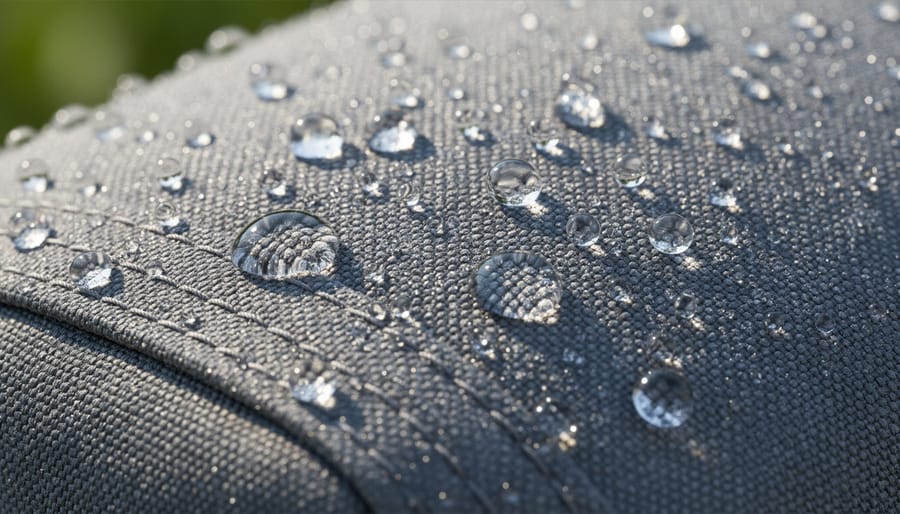
Understanding the fabrics and treatments in hiking pants helps you spot quality and match performance to your needs. Here’s what the labels and product descriptions actually mean.
DWR (durable water repellent) is a coating applied to the outer fabric that makes water bead up and roll off instead of soaking in. It keeps pants light and dry during light rain or morning dew. Traditional DWR formulations often contained PFAS (per- and polyfluoroalkyl substances), sometimes called “forever chemicals” due to their environmental persistence. The REI Co-op Trailmade uses a newer PFAS-free DWR at $80, delivering weather protection without those compounds. DWR wears off over time with use and washing, but you can reapply it at home with spray-on treatments.
Waterproof-breathable membranes take protection further. In alpine-ready pants, these membranes are integrated directly into the fabric itself rather than just coating the surface. They block liquid water while allowing moisture vapor from sweat to escape, crucial when you’re working hard on steep terrain. This construction adds weight and cost but pays off in sustained wet conditions.
Most hiking pants use nylon or polyester blends with mechanical stretch, meaning the weave itself allows movement. Nylon tends to be more abrasion-resistant and softer, while polyester dries faster and resists UV degradation better. Ripstop construction weaves thicker reinforcement threads in a crosshatch pattern, stopping small tears from spreading without adding much weight.
When you plan a hiking trip knowing these fabric basics helps you choose pants that handle your conditions. The right materials also keep your cute hiking outfit functional, not just stylish. Check hang tags for fabric percentages and treatment details to compare apples to apples across brands.
Common Mistakes to Avoid When Buying Hiking Pants
The biggest mistake buyers make? Prioritizing how pants look in the mirror over how they perform on the trail. A sleek, fitted silhouette might feel great standing still, but hiking demands freedom of movement, high steps over logs, scrambles up rocky slopes, deep lunges on descents. Pants that look stylish but restrict your stride become a liability the moment you leave the trailhead. Function always trumps fashion when you’re three miles into a climb.
Many shoppers also overlook inseam and rise options entirely, assuming one length fits all. Women’s bodies vary significantly, and a standard inseam can bunch at the ankles or ride up uncomfortably on taller frames. Similarly, a low rise that works for casual wear often creates a gap when bending forward with a loaded pack. Check for brands offering multiple inseam lengths and consider a mid-to-high rise for better coverage during dynamic movement.
Buying pants too tight ranks among the most common regrets. What feels snug but acceptable in-store becomes restrictive after an hour on varied terrain. You need fabric that moves with you, not against you. Similarly, don’t dismiss pocket placement as a minor detail. Inaccessible or poorly positioned pockets mean you’ll constantly remove your pack to grab your phone or snacks, disrupting your rhythm.
Another pitfall: failing to consider seasonal versatility. If you only hike in summer, lightweight pants make sense. But if you venture out year-round, convertible or mid-weight options offer better value across conditions. Don’t assume all water-resistant pants perform equally, either. A basic DWR coating sheds light drizzle; a waterproof membrane handles sustained rain. Match the protection level to your typical weather exposure, just as you would with other hiking essentials.
Frequently Asked Questions
How do hiking pants differ from regular outdoor pants?
Hiking pants are built with technical fabrics that offer stretch for mobility, DWR coatings for water resistance, and reinforced construction in high-wear areas like the knees and seat. Regular outdoor pants typically use cotton or casual blends that restrict movement, absorb moisture, and lack the durability needed for trail conditions.
Should I size up for layering underneath?
Most hiking pants are designed with enough room for thin base layers without sizing up, thanks to stretch fabrics like those in the Outdoor Research Ferrosi. Only consider sizing up if you plan to layer thick insulation underneath for winter hiking, but this can compromise the fit and restrict mobility in warmer conditions.
What inseam length is best for hiking?
Choose an inseam that reaches the top of your hiking boots when standing, typically regular or long lengths depending on your height. Pants that are too short expose your ankles to brush and insects, while excessively long inseams create tripping hazards and collect mud on the trail.
Can I use hiking pants for other activities?
Absolutely. The same features that make hiking pants excel on trails work well for travel, climbing, camping, and everyday outdoor activities. Models like the Patagonia Quandary transition seamlessly from trail to town thanks to their streamlined appearance and versatile performance.
How do I know if I need waterproof or just water-resistant?
Water-resistant pants with DWR coatings, like the REI Co-op Trailmade, handle light rain and morning dew for most day hikes. Waterproof pants with sealed membranes are necessary only for extended exposure to heavy rain, wet bushwhacking, or alpine conditions where staying dry is critical for safety.
What’s the difference between women’s-specific and unisex cuts?
Women’s-specific cuts feature a higher rise in back, a contoured waistband, and more room through the hips and thighs relative to the waist. Unisex or men’s cuts sit lower, have a straighter waistband, and can gap at the waist or feel tight through the hips on many women, compromising both comfort and range of motion on steep terrain.
These questions cover the practical concerns that come up most often when choosing hiking pants. Understanding the distinctions between pant types and cuts helps you avoid common sizing mistakes and select features that match your actual hiking conditions rather than hypothetical worst-case scenarios. The right answers to these questions depend on where and how you hike most frequently, which is why prioritizing your primary use case leads to better gear decisions than chasing every possible feature.
The right hiking pants aren’t just another piece of gear, they’re an investment in comfort and confidence on the trail. Whether you’re scrambling over rocky switchbacks, navigating sudden weather changes, or logging miles on multiday treks, your pants should work as hard as you do.
Focus on what matters most: fit that allows full range of motion, fabric that handles your typical conditions, and features that solve real problems you encounter outdoors. If you hike in variable weather, the Outdoor Research Ferrosi ($110) delivers unmatched versatility. Budget-conscious hikers will find excellent performance in the REI Co-op Trailmade ($80), while those prioritizing a sleek, athletic fit should consider the Stio Glide Tech.
Think about your primary hiking environment. Desert hikers need different pants than Pacific Northwest trekkers. Alpine scrambles demand different features than flat forest trails. Match the pants to your adventures, not the other way around.
With the right pair, you’ll forget you’re wearing them, which is exactly the point. Get out there and put them to work.