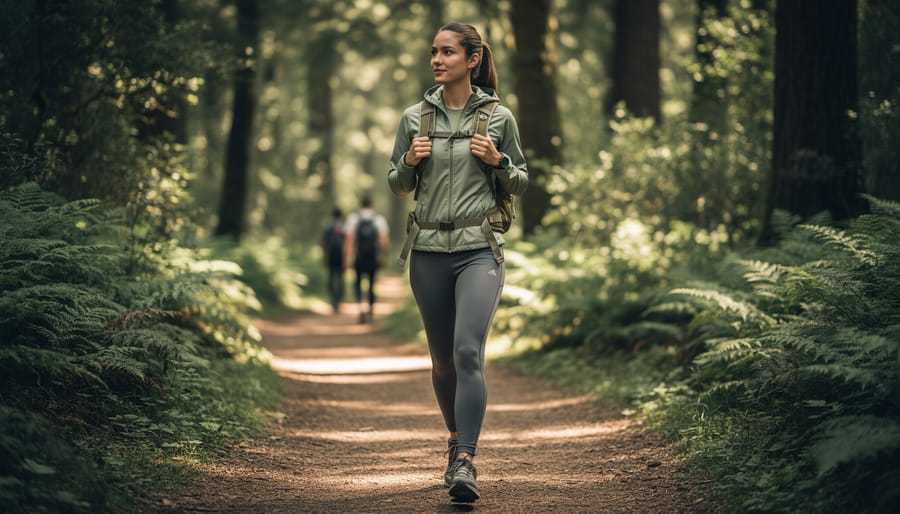

Assembling a cute hiking outfit means choosing trail-ready pieces that deliver genuine technical performance while reflecting current outdoor style. You’re not choosing between fashion and function anymore. The right combination of moisture-wicking base layers, weather-resistant shells, and supportive footwear can look great and keep you comfortable through steep climbs and changing conditions.
The outdoor apparel landscape in 2026 has shifted toward pieces that bridge the gap between trailhead and everyday wear. Windbreakers, fuzzy fleeces, and approach shoes have become staples that work as hard on the trail as they do off it. Budget-conscious hikers can build complete outfits with many quality pieces coming in under $60, making it easier to stock your closet without draining your gear fund. Retailers like REI, Costco, and Amazon now carry solid options across price points, and the industry has slowly expanded sizing, though true inclusivity remains a work in progress.
This guide breaks down each outfit component, from base layers through accessories, with specific attention to what actually matters on the trail. You’ll learn which fabrics handle sweat and weather best, how different cuts affect mobility, and where you can prioritize style without compromising safety. Whether you’re gearing up for your first day hike or refreshing a well-worn wardrobe, the goal is the same: clothing that performs when you need it and makes you feel confident wearing it.
Why Your Hiking Outfit Actually Matters
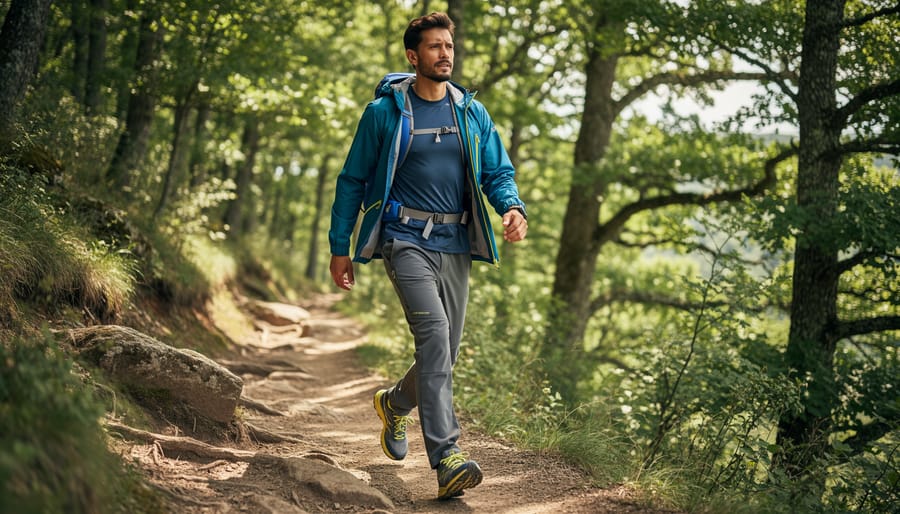
Your hiking outfit does more than protect you from the elements, it shapes how you move through the trail and how you feel while you’re out there. When you pull on gear that makes you feel good, you’re more likely to push for that extra mile, stay out longer, and tackle trails you might have skipped. Confidence isn’t just psychological; it translates into better posture, more deliberate movement, and a willingness to explore rather than cut your hike short because you felt self-conscious at the trailhead.
The common misconception is that choosing stylish hiking gear means sacrificing performance, as if aesthetics and function exist on opposite ends of a spectrum. That’s outdated thinking. Modern outdoor apparel in 2026 proves you don’t have to choose between a windbreaker that looks sharp and one that actually blocks wind, or between fleeces that photograph well and ones that regulate your temperature during steep climbs. The gear exists; it’s about knowing what to look for.
What matters is understanding the baseline technical requirements your clothing needs to meet, then making aesthetic choices within those boundaries. A cute hiking outfit works when the base layer actually pulls sweat away from your skin, when the trousers stretch for scrambles, and when the outer layer keeps you dry in sudden rain. Style becomes a problem only when it overrides these fundamentals, when you choose cotton because you like the look, or when a jacket fits so snugly for photos that you can’t layer beneath it. Get the function right, and the modern market offers plenty of room for personal expression on top of that foundation.
Building Your Cute Hiking Outfit: The Essential Layers
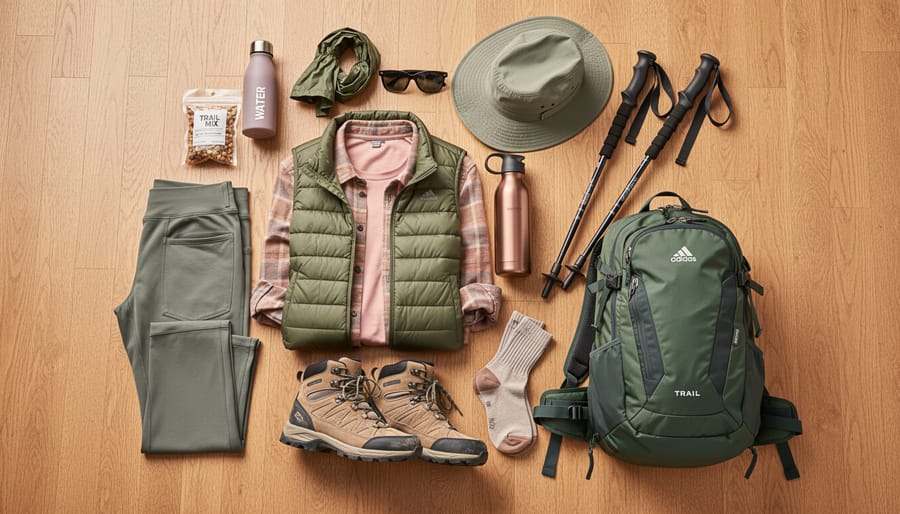
Base Layers That Work Hard and Look Good
Base layers sit closest to your skin, so they need to handle sweat efficiently while feeling good all day. Merino wool remains the gold standard because it provides warmth even when wet naturally resists odor, and comes in weights from lightweight 150gsm for summer to midweight 250gsm for shoulder seasons. Synthetic fabrics like polyester blends dry faster and cost less, making them practical for intense hikes where you’ll sweat heavily.
The flattering fit comes down to construction details. Look for base layer tops with princess seams or side panels that create shape without bunching under your pack straps. Crew necks work for most conditions, but quarter-zips add ventilation control and a sporty look. Modern color options have moved well beyond basic black and gray. You’ll find base layers in rich earth tones, muted sage greens, and warm terracotta shades that coordinate easily with the rest of your outfit while hiding trail dust better than lighter colors.
Skip cotton entirely. It holds moisture against your skin, which leads to chafing on long hikes and dangerous cooling when you stop moving. Test the fit by raising your arms overhead and bending at the waist. The fabric should move with you without riding up or creating gaps at your lower back where cold air sneaks in.
Mid-Layers: Fleeces, Vests, and Insulation
Mid-layers serve as your adjustable heating system on the trail, trapping warm air close to your body when temperatures drop or when you’re stopped for a break. A good fleece or insulated layer needs to balance warmth with breathability so you don’t overheat on steep climbs, while still looking put-together enough that you feel confident throughout your hike.
Fuzzy fleeces have become a standout choice for 2026, combining retro-inspired texture with modern technical performance. These sherpa-style fleeces trap air efficiently for clothing insulation while maintaining a relaxed, cozy aesthetic that photographs well and pairs easily with the rest of your outfit. Look for quarter-zip or full-zip designs that let you ventilate quickly when you warm up. Most quality options available at REI or Amazon fall under $60, making them accessible without sacrificing performance.
Insulated vests offer a sleeker profile for mild conditions or high-output activities where you need core warmth without restricting arm movement. Synthetic insulation dries faster than down if you encounter unexpected drizzle, though down provides better warmth-to-weight ratio in dry climates. Choose colors that complement your base layer and outer shell rather than defaulting to black or gray.
The key is selecting mid-layers that pack small when you shed them during warm-ups but deliver genuine warmth when you need it, not just visual appeal. Fit matters: too tight restricts movement and compresses insulation; too loose creates cold air pockets that defeat the purpose.
Outer Layers and Weather Protection
A stylish outer layer means nothing if it lets you down in a sudden downpour or windstorm. The good news: windbreakers and rain shells have evolved far beyond the crinkly, oversized jackets of decades past. Modern shells pair technical fabrics like Gore-Tex and eVent with clean lines, flattering cuts, and color palettes that work whether you’re on the trail or grabbing coffee afterward.
Look for jackets with sealed seams, adjustable hoods, and pit zips for ventilation. These features aren’t negotiable, but they now come in silhouettes that don’t make you look like you’re drowning in fabric. Cropped windbreakers sit at the hip for a contemporary fit, while longer shells offer more coverage without adding bulk. Many 2026 options blend high-tech waterproofing with minimalist designs in muted earth tones or bold jewel shades.
Weight matters too. A packable shell that stuffs into its own pocket gives you weather protection without eating up pack space. Check our waterproof jacket guide for detailed performance specs across price points. Budget-conscious shoppers can find capable shells under $60 at REI and Amazon, though premium fabrics command higher prices for good reason: they breathe better and last longer through seasons of trail abuse.
Bottoms: From Trousers to Leggings
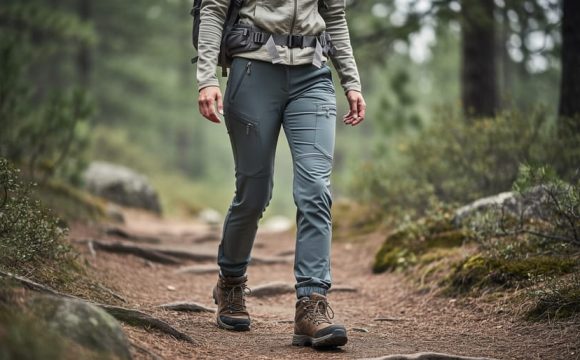
High-tech trousers lead the 2026 hiking bottoms category, combining water-resistant fabrics with articulated knees and stretchy panels that move naturally on uneven terrain. Look for options with zippered pockets and adjustable waists that won’t gap or pinch during climbs. These trousers often feature modern tapered cuts that look intentional rather than purely utilitarian.
Hiking leggings offer maximum mobility and contemporary style, especially in darker colors or subtle patterns that hide trail dust. Choose versions with abrasion-resistant panels at the knees and seat, plus high waistbands that stay put during scrambles. Many technical leggings now include hidden pockets large enough for your phone.
Shorts work well for warm-weather hikes when you want coverage without overheating. Opt for longer inseams (seven to nine inches) that prevent chafing while maintaining a modern silhouette. Quick-drying fabrics and UPF protection add functional value.
Sizing remains inconsistent across brands, with options typically ranging from size 2 to 16 at widely available retailers, though some brands carry up to size 22 and 3X for those seeking extended sizes.
Accessories That Complete the Look
Hats, Beanies, and Sun Protection
Your head needs protection from sun, wind, and cold, but that doesn’t mean you’re stuck with boring gear. The right hat serves double duty: shielding you from the elements while adding personality to your trail look.
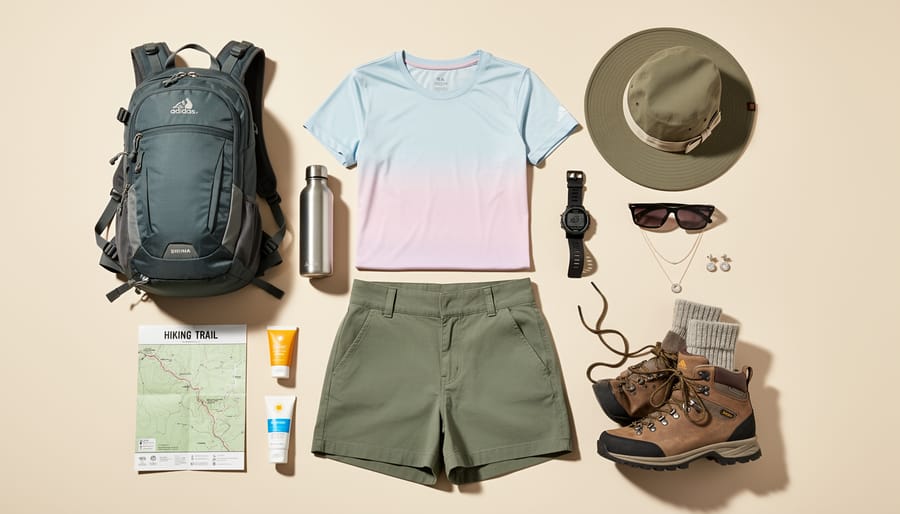
For sun-intensive hikes, wide-brimmed hats and sun protection caps remain your best defense against UV exposure. Look for styles with UPF-rated fabrics and adjustable chin cords that keep them secure on windy ridges. Many current designs feature mesh panels and moisture-wicking sweatbands, combining protection with ventilation that actually works during climbs.
Graphic beanies have emerged as a trail staple in 2026, offering warmth during shoulder-season hikes while showcasing mountain motifs, retro patterns, or minimalist logos that reflect your outdoor aesthetic. Choose merino wool or synthetic blends that wick moisture even when temperatures fluctuate throughout the day.
The key is matching your headwear to conditions. A breathable cap with a long bill handles exposed summer trails, while a packable beanie fits easily in your backpack for surprise weather changes at elevation. Both options keep you comfortable and camera-ready without compromising the technical performance you need on varied terrain.
Footwear: Approach Shoes and Trail-Ready Boots
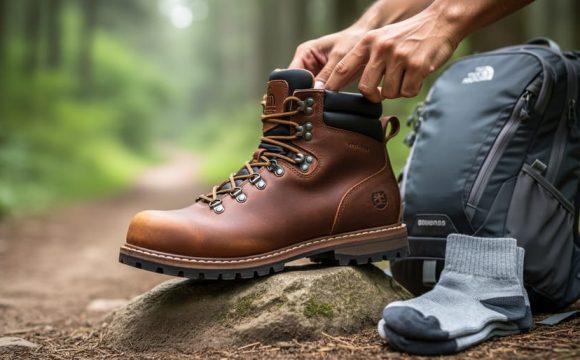
Footwear deserves serious consideration because it affects both comfort and confidence on the trail. Approach shoes have emerged as a standout choice, blending climbing-inspired sticky rubber with streamlined silhouettes that look intentional rather than clunky. They work well for day hikes on mixed terrain where you want grip and support without the bulk of traditional boots.
For longer distances or heavier loads, trail-ready boots remain the smarter option. Look for models with modern color blocking, clean lines, and updated materials that shed the dated aesthetic many hikers associate with technical footwear. Current hiking shoes 2026 options prove you don’t need to choose between ankle support and contemporary style.
Prioritize fit over fashion when making your final decision. Boots should feel secure through the heel and midfoot with enough room in the toe box for downhill hiking. Break them in gradually before committing to a full-day hike, and remember that blisters will undermine any outfit, no matter how good it looks at the trailhead.
Sunglasses, Backpacks, and Small Gear
’90s-inspired sunglasses with wraparound frames or tinted lenses add retro flair while protecting your eyes from glare and UV rays. Look for polarized lenses and secure fit to prevent slipping during movement.
A practical backpack with clean lines serves as both a functional carry system and a style statement. Choose one with proper hip belt support and enough capacity for your essentials without excess bulk. Neutral colors like olive, navy, or black integrate easily with most outfits.
Small gear like a colorful water bottle, printed bandana, or patterned trekking pole straps lets you inject personality without compromising performance. These details cost little but transform a basic outfit into one that feels distinctly yours. Focus on items you’ll actually use rather than accessories that add weight without purpose.
Shopping Smart: Where to Find Cute Hiking Gear
Budget-Friendly Options for 2026
You don’t need to drain your savings to look good on the trail. Retailers like REI, Costco, and Amazon carry quality hiking gear that balances style and performance at accessible price points, with many solid options available for under $60.
REI’s house brand offers technical base layers and fleeces that deliver moisture-wicking performance without the premium price tag of name brands. Their clearance section regularly features previous season’s colors in current silhouettes, letting you snag functional pieces at significant discounts. Costco surprises many hikers with their seasonal outdoor offerings, think insulated jackets and moisture-wicking shirts that appear in-store during spring and fall. You’ll sacrifice some color variety, but the performance standards hold up well for recreational hiking.
Amazon provides the widest selection across price ranges, though quality varies wildly. Stick to brands with detailed size charts and extensive reviews mentioning actual trail use rather than just casual wear. Look for moisture-wicking fabrics, reinforced seams, and functional pocket placement, these details indicate whether something will actually perform on the trail. Many budget-friendly pieces nail one or two key features while compromising others, so prioritize what matters most for your local terrain and typical weather conditions.
Size Inclusivity in Hiking Apparel
Finding hiking clothes that actually fit remains one of the outdoor industry’s most frustrating challenges. While some brands now carry women’s hiking apparel up to size 22 and 3X, the selection shrinks dramatically beyond size 12, which the industry generally considers plus size. That sizing threshold hasn’t budged even as mainstream fashion has expanded its range.
When you’re shopping for larger sizes, your best bet is sticking with widely available retailers like REI, which carries multiple brands under one roof and makes returns straightforward. Amazon offers extensive sizing filters, though quality varies wildly between sellers. Check each product listing for actual measurements rather than trusting size charts alone, since a size 16 from one brand might fit like a 14 from another.
The reality is that many cute hiking pieces simply won’t come in your size, which means prioritizing function over aesthetics sometimes. Focus on technical performance first: moisture-wicking fabric, comfortable waistbands that won’t dig in during climbs, and adequate length in sleeves and inseams. When you find a brand that fits well, note their sizing and try other items from their line. The right fit matters more than the trendiest style, especially when you’re several miles from the trailhead.
Performance First: What Never to Compromise
Looking great on the trail shouldn’t cost you comfort or safety. While aesthetic preferences matter, certain technical features remain non-negotiable no matter how cute your outfit is.
Fabric choice tops the list of essentials you can’t skip. Cotton might look soft and appealing in the store, but it absorbs moisture and stays wet, turning a pleasant hike into a miserable, potentially dangerous experience as temperatures drop. Stick with synthetic fabrics or merino wool that wick sweat away from your skin and dry quickly. These materials work just as hard whether they come in muted earth tones or vibrant colors that match your personal style.
Fit deserves equal attention to aesthetics. Your cute hiking outfit needs room for full range of motion, bending, stretching, reaching overhead, without binding or riding up. Test this in the fitting room rather than discovering restrictions three miles into your hike. Similarly, your layers should work together without creating bulk or gaps that let heat escape.
Weather protection can’t be sacrificed for style points. Your outer shell must keep wind and rain out while allowing sweat vapor to escape, and your base layers need to manage moisture effectively. These functions work alongside a hiking essentials checklist that includes sun protection, proper footwear with ankle support and traction, and accessories that serve real purposes beyond looking good. The 2026 outdoor market offers plenty of options that deliver both performance and style, you just need to prioritize the technical requirements first, then choose the colors and cuts you love.
You don’t have to choose between looking good and performing well on the trail anymore. The outdoor gear landscape has evolved to offer genuinely functional pieces that also reflect your personal style, whether that means retro-inspired fleeces, sleek windbreakers, or approach shoes that transition seamlessly from trailhead to coffee shop. The key is building outfits intentionally, starting with technical fundamentals like moisture-wicking fabrics and weather protection, then layering in the aesthetic touches that make you feel confident. We regularly test hiking gear across various conditions and body types to identify which pieces deliver on both fronts, and we’ll continue updating our recommendations as new options emerge. Your hiking outfit should work as hard as you do while making you excited to hit the trail.