
Finding the right hiking pants designed specifically for a woman’s body can make the difference between a comfortable day on the trail and one spent constantly adjusting ill-fitting gear. Women’s hiking pants address unique needs like wider hips, narrower waists, and different inseam proportions, while delivering the same performance features men’s pants offer: weather protection, durability, and freedom of movement. Based on current testing and expert reviews, the Outdoor Research Ferrosi ($110) consistently ranks as the best overall choice for its lightweight stretch fabric and breathability, while the Patagonia Quandary delivers versatile all-around performance.
The market has evolved significantly beyond simply shrinking men’s designs and offering them in pink. Today’s women-specific hiking pants feature engineered rise and hip-to-waist ratios, strategically placed stretch panels, and cut patterns that prevent the bunching and gapping common in unisex options. Budget options like the REI Co-op Trailmade Pants prove you don’t need to spend a fortune for comfort and mobility, while technical models like the Stio Glide Tech bring legging-like comfort with trail-ready durability and functional pockets.
Whether you’re gearing up for your first overnight backpacking trip or replacing worn-out favorites, understanding what separates great women’s hiking pants from mediocre ones will help you invest wisely in gear that performs season after season.
What Makes Women’s Hiking Pants Different
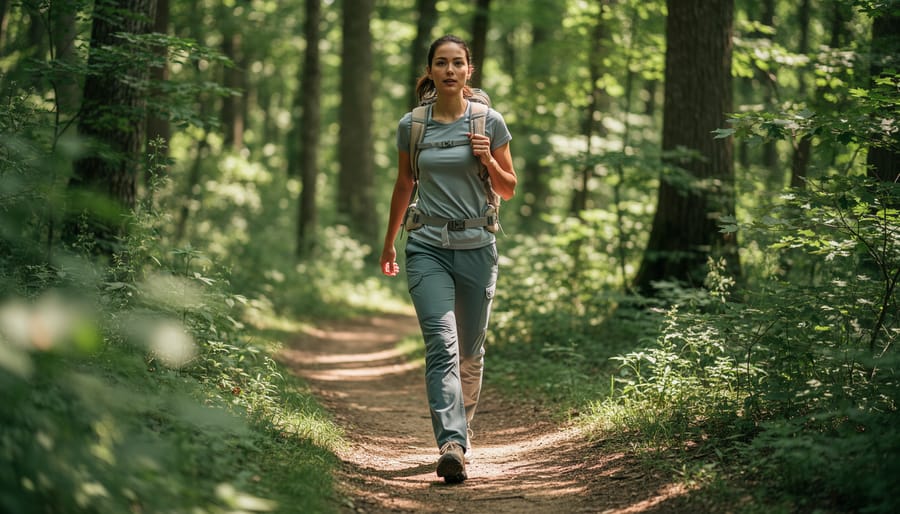
Women’s hiking pants aren’t simply smaller versions of men’s styles. They’re engineered around fundamental anatomical differences that significantly impact trail comfort and performance. The most obvious distinction is the hip-to-waist ratio, women typically have wider hips relative to their waist compared to men, and properly designed women’s pants accommodate this with a contoured waistband that sits flush without gapping at the back or pinching at the hips.
Rise is another critical difference. Women’s pants generally feature a longer rise to account for the distance from waist to crotch, preventing the uncomfortable pulling and riding up that happens when you bend, climb, or lift your knee on steep terrain. This isn’t just about comfort, a proper rise with a gusseted crotch gives you the full range of motion needed for scrambling, high-stepping over logs, and maintaining balance on uneven ground without fabric binding or restricting your stride.
The cut through the thighs and seat also differs. Women’s hiking pants provide more room through the hips and glutes while tapering appropriately at the thighs, rather than hanging loose or requiring constant adjustment. This targeted fit means the fabric moves with you instead of against you, reducing chafing on long hikes and eliminating excess material that can snag on brush or feel bulky under a pack’s hip belt.
Beyond fit, women’s-specific designs often place pockets more thoughtfully, positioned to remain accessible without interference from hip belts, and sized to actually hold a phone or map without creating unflattering bulk.
Key Factors to Consider When Buying Women’s Hiking Pants
Fabric and Material Technology
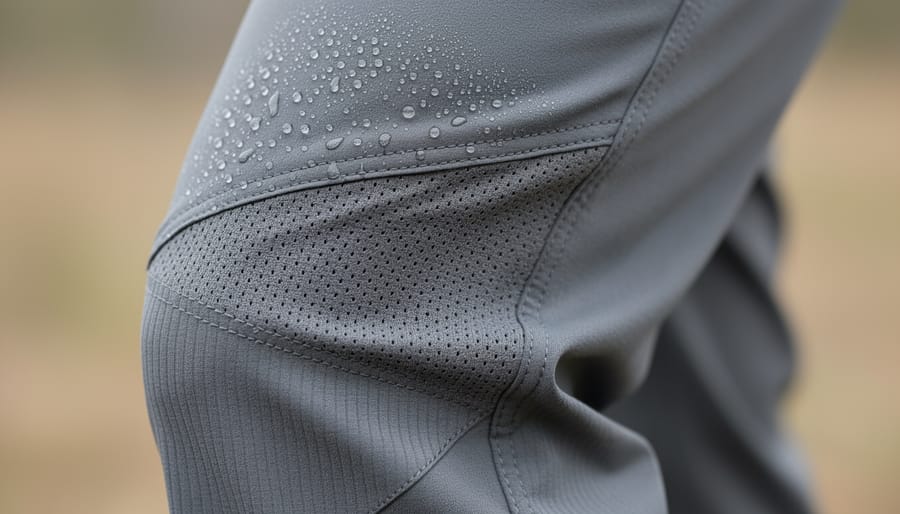
Fabric technology determines whether your hiking pants feel like a second skin or a sweaty liability on mile ten. The right material combination handles sweat, resists trail abrasion, and moves with you through scrambles and steep climbs.
Start by evaluating these essential fabric properties:
- Weight: Lightweight fabrics (under 6 oz) excel in warm weather and high-output activities, while midweight options (6-8 oz) offer more durability and wind resistance
- Stretch and mobility: Four-way stretch materials move with your body during high steps and lunges without binding or restricting
- Breathability and moisture management: Wicking fabrics pull sweat away from skin and dry quickly, preventing that clammy feeling during breaks
- Water resistance: DWR (durable water repellent) coatings shed light rain and morning dew without the bulk of waterproof shells
- Abrasion resistance: Reinforced weaves or ripstop construction in high-wear areas extend the pants’ lifespan on rocky trails
The Outdoor Research Ferrosi exemplifies this balance with its lightweight, stretchy, and breathable construction at $110, making it a go-to for three-season hiking. For those prioritizing comfort, the Stio Glide Tech brings legging-like softness with added durability, blending performance fabric technology with all-day wearability. Look for synthetic blends that combine nylon or polyester with elastane, which deliver stretch without sacrificing toughness. Avoid cotton, which stays wet and loses insulation value when damp.
Fit and Mobility
The right fit transforms hiking pants from restrictive to liberating. When pants move with your body rather than against it, you can scramble over boulders, navigate steep descents, and tackle creek crossings without thinking about what you’re wearing.
Women’s hiking pants typically come in three fit styles. Slim fits follow your leg’s contour closely without being tight, offering a streamlined silhouette that won’t snag on brush. Relaxed fits provide more breathing room through the thigh and lower leg, which many hikers prefer for all-day comfort and easier layering over base layers. Athletic fits split the difference, with a contoured waist and hip that tapers slightly toward the ankle for a modern look that still allows full range of motion.
Inseam options matter more than many shoppers realize. Most brands offer regular, petite, and tall lengths, but the specific measurements vary between manufacturers. A proper inseam prevents bunching at the ankle (which causes blisters when fabric rubs against boots) and ensures the knee articulation lands where your actual knee bends.
Rise variations, from low to high, affect both comfort and coverage. A higher rise prevents the dreaded gap at your lower back when you’re bending to adjust your pack or crouching to filter water. Mid-rise options balance coverage with a less restrictive waistband feel.
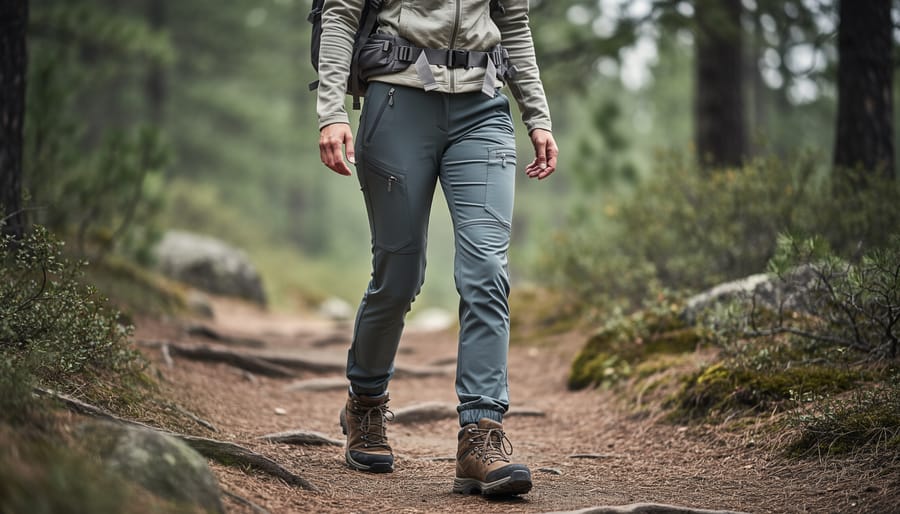
Articulated knees, pre-shaped to follow your leg’s natural bend, eliminate the pulling sensation when you lift your leg for a high step. A gusseted crotch, a diamond-shaped fabric insert, provides unrestricted movement in all directions. These design elements explain why pants like the REI Co-op Trailmade deliver exceptional mobility despite their affordable price point.
Weather Versatility
Weather versatility separates pants that work in one narrow condition from those you’ll reach for season after season. Think about the temperature range and weather you’ll encounter most often, then match features accordingly.
For hot, dry climates, prioritize lightweight fabrics with maximum breathability and fast-drying properties. Pants with mesh-lined pockets or ventilation panels help dump heat during summer desert hikes or exposed scrambles. Lighter colors reflect sun rather than absorb it.
Convertible zip-off pants offer the ultimate flexibility, transforming from full-length coverage to shorts when temperatures climb. They shine on multi-day treks where morning starts are chilly but afternoons turn scorching. The trade-off? Extra zippers add weight and potential failure points, and the mid-thigh seam can chafe during high-mileage days.
For cooler conditions or alpine environments, look for pants with some weather resistance built in. A DWR coating sheds light rain and morning dew without the bulk of full rain pants. Softshell fabrics like those in the Outdoor Research Ferrosi balance breathability with wind protection, making them ideal for shoulder seasons when conditions fluctuate.
If you hike year-round in variable climates, consider owning two pairs: a lightweight summer option and a more protective softshell for cooler months, rather than compromising with one middleweight pair that’s never quite right.
Pockets and Storage
Pocket design separates merely functional hiking pants from truly practical ones. Most women’s hiking pants include four to six pockets, but placement and security matter more than quantity. Front hand pockets should sit high enough that you can access them comfortably with a hipbelt on, while thigh cargo pockets need secure closures to prevent items from bouncing out on steep terrain.
Zippered pockets keep phones, keys, and trail snacks secure during scrambles and stream crossings. Open slash pockets work fine for quick-access items like chapstick or tissues, but anything you can’t afford to lose needs a zipper. Some pants position a zippered security pocket inside the waistband for cards or cash.
Consider how pocket design affects silhouette. Cargo pockets add bulk at the thighs, which bothers some hikers but provides valuable storage for others. Flatter, streamlined pockets maintain a sleeker profile while still offering utility. The Stio Glide Tech, for instance, balances legging-like comfort with functional pockets that don’t create excessive bulk. Test pocket access with a pack on before buying, since a hipbelt can block poorly-placed hand pockets entirely.
Price and Value
Women’s hiking pants span a wide price range, from budget-friendly options around $50 to premium technical pants exceeding $150. Understanding this spectrum helps you invest wisely rather than overspend on features you won’t use.
Budget options like the REI Co-op Trailmade Pants prove you don’t need to drain your wallet for quality performance. These pants deliver incredible comfort and mobility at an accessible price point, making them ideal for beginners or casual hikers building their gear collection. They work perfectly well for weekend trail outings and moderate conditions.
Mid-range pants, such as the Outdoor Research Ferrosi at $110, represent the sweet spot where technical features meet reasonable cost. You’re paying for lightweight, stretchy, and breathable fabrics that perform across varied conditions. This tier typically includes better durability, more thoughtful pocket designs, and materials that resist water and wind more effectively than budget options.
Premium pants justify their higher price tags through advanced fabric technologies, superior construction quality, and specialized features like reinforced high-wear areas or exceptional moisture management. If you hike frequently in demanding conditions, that extra durability translates to longer-lasting pants and better cost per wear.
Consider how often you’ll hike and in what conditions. Three weekend trips annually? A budget or mid-range option makes financial sense. Weekly trail time in varied weather? Premium pants become a worthwhile investment.
Types of Women’s Hiking Pants Compared
Softshell Hiking Pants
Softshell pants strike the ideal balance for most hiking conditions, making them the go-to choice for three-season trail use. Built from woven synthetic fabrics with mechanical stretch, they move with you on steep scrambles and long miles without the restrictive feel of traditional hiking pants. The fabric construction allows moisture vapor to escape while blocking light wind and resisting brief drizzle, enough protection for variable weather without the crinkle and sweat trap of waterproof shells. Most softshell options dry quickly after creek crossings or unexpected rain, then continue breathing as you hike. This versatility means you can wear the same pair from spring wildflower hikes through autumn leaf-peeping without swapping gear. They’re particularly effective for moderate climates and shoulder seasons where full rain pants would cause overheating but shorts leave you exposed.
Convertible Zip-Off Pants
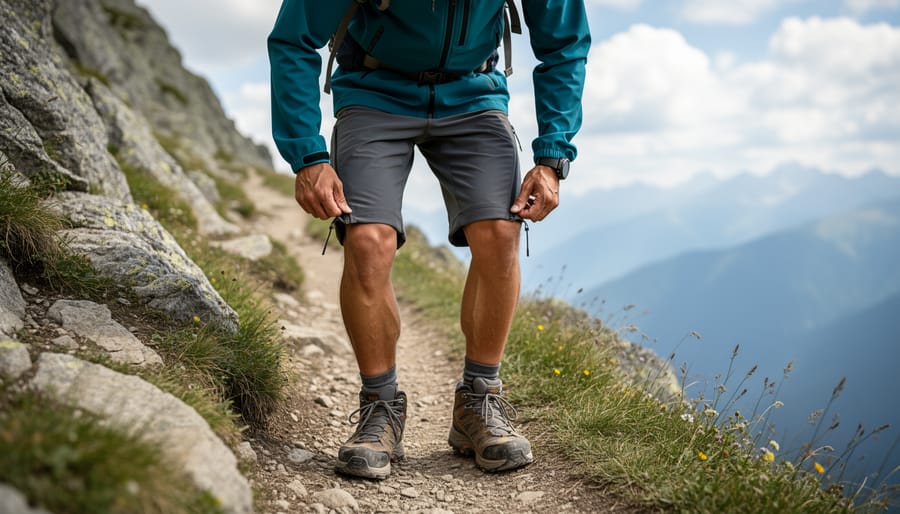
Convertible zip-off pants offer two garments in one: full-length pants that unzip at mid-thigh to become shorts. This dual functionality shines on long hikes with dramatic temperature swings, multi-day trips where packing light matters, or trails that start cool and end in full sun. The trade-off? You’re carrying extra zippers and slightly more weight than dedicated pants or shorts, and the zippers can create pressure points under backpack hip belts. The versatility justifies these compromises when you’re hiking through varied climates or trying to minimize gear. If your typical hikes stay consistently hot or cold, though, dedicated pants or shorts will likely serve you better without the bulk.
Lightweight Summer Hiking Pants
When you plan a hiking trip in scorching conditions or tackle high-output scrambles, lightweight summer hiking pants become essential gear. These pants prioritize maximum breathability and moisture-wicking over weather protection, using thin, quick-drying fabrics that feel almost weightless on your body. Look for synthetic blends or nylon weaves that allow air circulation while still offering enough abrasion resistance for trail use.
The trade-off is minimal insulation and typically no water resistance, so pair them with a women’s waterproof jacket for unexpected showers rather than relying on the pants themselves. Many summer-weight options weigh under seven ounces and pack down to fist-size, making them ideal for fast-and-light approaches or travel where pack space matters. Features like mesh pockets and wide waistbands enhance ventilation, while articulated knees maintain mobility despite the minimal fabric.
Hardshell and Rain Pants
Hardshell and rain pants serve a specific purpose: keeping you dry when conditions turn genuinely wet. Unlike the softshell and lightweight options that resist light drizzle, these pants feature fully waterproof membranes like Gore-Tex or proprietary coatings that block sustained rain and snow. They’re not designed to be worn alone all day. Instead, think of them as protective shells you layer over your regular hiking pants or base layers when the weather demands it, much like how you’d pack other critical hiking essentials for changing conditions.
The trade-off with hardshell pants is breathability. Waterproof membranes trap heat and moisture from your body, so you’ll feel clammy during high-output hiking even with pit zips or side vents. That’s why experienced hikers typically wear them only when precipitation is active, then strip them off once the rain stops. Look for full-length side zippers that let you pull them on over boots without removing your pack, and consider a pair light enough to stuff into your backpack when skies clear.
Our Top Recommendations for 2026
Best Overall: Outdoor Research Ferrosi
The Outdoor Research Ferrosi consistently earns top marks across independent expert reviews for good reason. At $110, these pants deliver a rare combination of lightweight construction, four-way stretch fabric, and exceptional breathability that performs across a wide range of conditions. Whether you’re tackling moderate trail difficulty or pushing into more demanding terrain, the Ferrosi moves with you without binding or restricting your stride. The fabric sheds light moisture while maintaining airflow during high-output climbs, making these pants equally suited to spring shoulder seasons and summer alpine routes. Their versatility eliminates the need to swap pants between different hiking styles, and the durability holds up to repeated use without the premium price tag of competing options.
Best Budget Option: REI Co-op Trailmade Pants
The REI Co-op Trailmade Pants prove that budget-friendly doesn’t mean sacrificing performance. These pants deliver incredible comfort and mobility without the premium price tag, making them an excellent entry point for hikers building their outdoor wardrobe or anyone seeking solid performance on a tighter budget. The fabric moves naturally with your body during steep ascents and rocky scrambles, while the breathable construction keeps you comfortable across varied terrain and conditions. At their accessible price point, the Trailmade pants offer remarkable value for day hikers and weekend backpackers who want reliable performance without overspending on features they won’t use.
Best for Comfort: Stio Glide Tech
The Stio Glide Tech bridges the gap between technical hiking pants and the soft comfort you expect from your favorite leggings. The fabric moves with you naturally while maintaining enough structure and abrasion resistance for scrambling over rocks or brushing through trailside vegetation. Unlike pure leggings that offer minimal protection, these pants give you actual pockets, sized and positioned to hold essentials without sagging or bouncing. If you’ve struggled with traditional hiking pants feeling stiff or restrictive during long trail days, the Glide Tech delivers that barely-there comfort while still functioning as proper hiking gear rather than just athletic wear.
Premium Pick: Patagonia Quandary Pants
The Patagonia Quandary Pants represent a smart investment for hikers who want proven performance without compromise. Recognized as a best overall choice in expert reviews, these pants deliver the balance serious outdoor enthusiasts appreciate: durable construction that withstands repeated trail use, comfortable stretch fabric that moves with you through varied terrain, and thoughtful features that work across different hiking conditions.
What sets the Quandary apart at the premium tier is Patagonia’s attention to both function and longevity. The fabric resists abrasion on rocky scrambles while maintaining breathability during steep climbs. The fit accommodates a full range of motion without excess fabric bunching at the knees or waist. Multiple secure pockets keep essentials accessible without adding bulk.
If you’re building a hiking wardrobe that will serve you for years across diverse trails, the Quandary Pants justify their higher price through versatile performance and durability.
Common Mistakes to Avoid
The wrong hiking pants can turn a great trail into an uncomfortable slog, yet many women make avoidable mistakes when shopping. Here’s what to watch out for.
The biggest error is prioritizing style over performance. Those trendy tapered legs might look great in photos, but if they restrict movement on steep scrambles or don’t accommodate your best hiking shoes, you’ll regret the choice three miles in. Function always trumps fashion on the trail.
- Choosing fashion over function instead of prioritizing mobility and durability for your specific hiking conditions
- Ignoring inseam length options and settling for whatever’s in stock rather than finding your proper fit
- Buying pants that don’t match your climate, like heavy softshells for desert hiking or thin summer pants for alpine adventures
- Overlooking pocket security for valuables, assuming all pockets are created equal when zippered closures matter on technical terrain
- Not considering how pants work with your hiking boots, leading to bunching, rubbing, or inadequate coverage
- Prioritizing price alone without considering durability value, which means replacing cheap pants annually instead of investing once
Another common pitfall is skipping the try-on phase entirely when shopping online. Women’s hiking pants vary dramatically in rise, hip fit, and thigh room between brands. Order multiple sizes and styles, test the range of motion in your living room, and don’t settle for “good enough” when proper fit directly affects blister prevention and comfort on long days.
Finally, many shoppers ignore their actual hiking style. If you’re a fair-weather day hiker in mild climates, you don’t need expensive technical features designed for alpine expeditions. Match the pants to your real conditions, not aspirational adventures you might take someday.
Frequently Asked Questions
Should hiking pants be tight or loose?
Hiking pants should fit comfortably without restricting movement, neither skin-tight nor baggy. Look for a fit that allows full range of motion when lifting your knees and stepping up without excess fabric bunching or pulling. Pants with stretch fabric and articulated knees typically offer the best balance between streamlined fit and mobility.
What’s the difference between hiking pants and regular outdoor pants?
Hiking pants use technical fabrics designed for moisture-wicking, quick-drying, and abrasion resistance, while regular outdoor pants typically use cotton or heavier materials that retain moisture. Hiking-specific pants also feature mobility-enhancing cuts like gusseted crotches and articulated knees, along with practical pocket placements that work with pack hip belts.
Are expensive hiking pants worth it?
Higher-priced pants often justify their cost through superior fabric technology, better weather resistance, and more durable construction that outlasts budget options. However, affordable options like the REI Co-op Trailmade Pants prove you don’t always need premium prices for excellent performance, especially for casual day hikers.
Can I wear leggings instead of hiking pants?
Leggings work for many hikes but lack the durability, pocket storage, and abrasion resistance of dedicated hiking pants. If you prefer legging comfort, consider options like the Stio Glide Tech that combine legging-like wearability with added durability and functional pockets specifically designed for trail use.
The answers to these common questions highlight a recurring theme: matching your pants to your specific hiking style matters more than following rigid rules. A casual weekend day hiker has different needs than someone tackling rugged multi-day treks, and your gear choices should reflect those differences. The good news is that the women’s hiking pants market in 2026 offers options across every price point and performance level, making it easier than ever to find pants that genuinely work for your outdoor adventures rather than settling for whatever happens to be available.
The right hiking pants aren’t just another piece of gear, they’re the foundation of comfort on every trail you tackle. When you choose pants designed specifically for women’s bodies, with the right fabric technology for your conditions and a fit that allows natural movement, you’ll notice the difference from the first mile. Skip the hype around brand names and trendy features that don’t serve your actual hiking needs. Instead, focus on how the pants will perform during long days on the trail, whether they’ll keep you comfortable when the weather shifts, and if they’ll hold up season after season.
Quality women’s hiking pants tailored to your body and your adventures are worth the investment. They won’t restrict your stride on steep ascents, they’ll move with you across rocky terrain, and they’ll keep you comfortable enough to stay out longer. That’s what good gear does, it gets out of your way and lets you focus on the trail ahead.