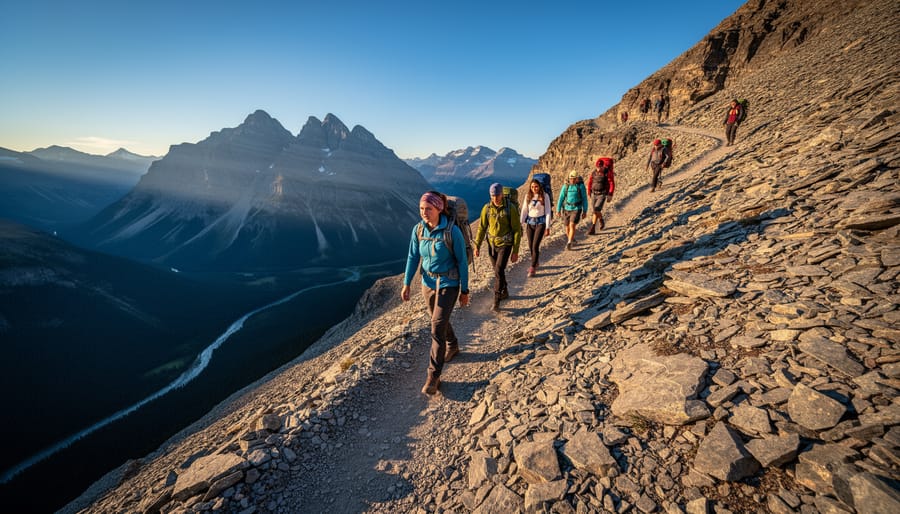

Ha Ling Peak, rising sharply above Canmore in Kananaskis Country, delivers one of the Canadian Rockies’ most rewarding summit scrambles in under three hours of steady climbing. The trail covers roughly 2.5 kilometers one way, gaining 750 meters of elevation through steep switchbacks and exposed ridgeline scrambling before opening to panoramic views of the Bow Valley, Three Sisters, and Spray Valley that hikers consistently rank among the region’s best.
Despite its popularity and year-round access, this isn’t a casual stroll. The upper third demands basic scrambling skills, solid fitness, and respect for rapidly changing mountain weather. You’ll navigate loose scree, exposed sections where a misstep has consequences, and terrain that transforms from manageable trail to technical challenge depending on conditions.
June through September offers the most straightforward window for this hike, when snow has cleared and you can focus on route-finding rather than ice management. Winter ascents are possible if you bring micro-spikes and have genuine experience on icy, exposed terrain. Even summer climbers should pack trekking poles and approach the final ridge with caution.
If you’re planning your first scramble or testing your mountain legs after a season away, Ha Ling provides an honest benchmark. The views justify the effort, but only if you prepare properly and turn back when conditions warrant.
Why Ha Ling Peak Should Be on Your Hiking Radar
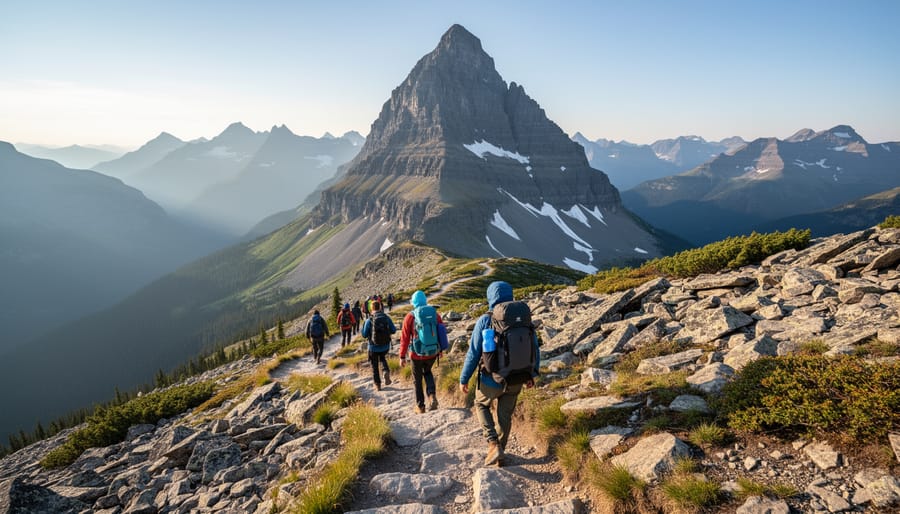
Ha Ling Peak has earned its reputation as one of the most rewarding scrambles accessible from Canmore, and for good reason. From the summit’s narrow ridge, you’ll take in sweeping panoramas of the Bow Valley, Canmore townsite far below, and the jagged peaks of the Canadian Rockies stretching in every direction. On a clear day, the views alone justify the effort, and you’ll understand immediately why this spot consistently ranks among photographers’ favourite mountain destinations in Alberta.
The appeal goes well beyond the scenery. Ha Ling in Kananaskis sits just minutes from downtown Canmore, meaning you can go from morning coffee to alpine scrambling without a lengthy commute. The trailhead’s proximity to town makes it perfect for those squeezing in a morning hike before work or visitors with limited time in the area. Being open year-round adds another layer of versatility; you can tackle this peak in different seasons, each offering its own character and challenge level.
What really sets Ha Ling apart is how it bridges the gap between intermediate hiking and true scrambling:
- Panoramic 360-degree summit views spanning the Bow Valley and surrounding Rockies
- Less than 10 minutes’ drive from Canmore’s main street
- Genuine scrambling experience without requiring technical climbing skills
- Instagram-worthy ridge exposure and dramatic photo opportunities
- Year-round access with distinct seasonal character
The peak draws everyone from fit beginners testing their limits to experienced scramblers looking for a quick burn after work. That accessibility has made it wildly popular, but popularity shouldn’t diminish its appeal. Ha Ling delivers a legitimate mountain experience with real consequences, which means proper preparation isn’t optional, it’s the entry price for one of the Rockies’ most satisfying short scrambles.
What to Expect on the Trail
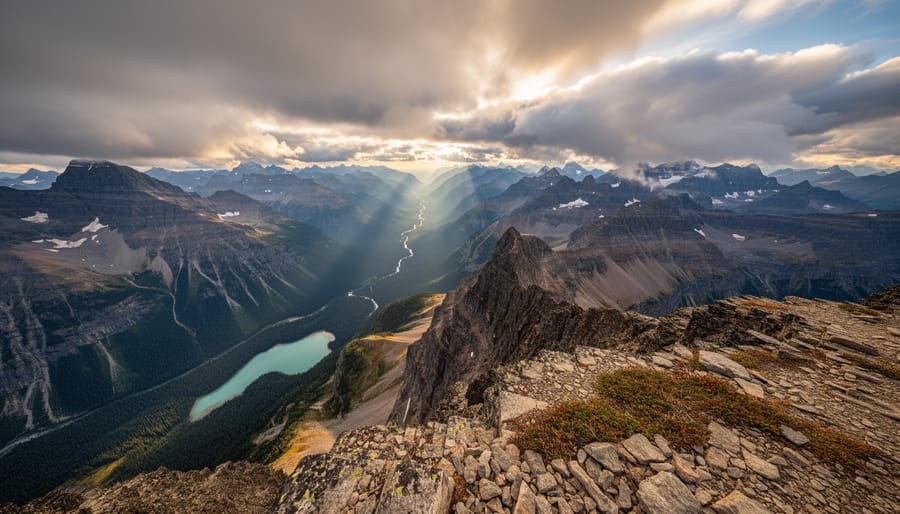
The Ha Ling Peak trail covers roughly 7.2 kilometers round trip with an elevation gain of 730 meters, but these numbers don’t tell the full story. This isn’t your typical mountain path, it’s a progression hike that transforms from straightforward forest trail into legitimate scrambling terrain as you climb.
You’ll start in a dense forest where the path is well-defined and manageable. The first section uses what are switchbacks to ease you up the mountainside, building elevation gradually through the trees. This lulls many hikers into a false sense of security about what lies ahead.
Once you break treeline, the character of the hike shifts completely. The trail becomes steeper and rockier, with loose scree that slides underfoot and demands concentration with every step. Your quads will burn on the ascent, and your knees will protest on the way down as you navigate the shifting rocks.
The final push to the summit involves Class 2 scrambling over large boulders and exposed rock faces. You’ll need to use your hands frequently, choosing routes carefully and testing handholds before committing your weight. The exposure increases dramatically here, steep drop-offs on either side mean a misstep has serious consequences.
What catches people off-guard isn’t just the physical challenge. The psychological demand of the exposed scrambling section affects even fit hikers who aren’t accustomed to height exposure. That final stretch requires mental composure alongside physical endurance.
The descent presents its own difficulties. Loose scree and steep grades make going down harder on your body than climbing up. Your legs shake from controlling your descent, and the scramble section requires even more care when facing downward.
Plan for four to six hours round trip, though your actual time will vary based on fitness level, scrambling experience, and how long you spend soaking in the panoramic views from the top.
Seasonal Considerations: When to Tackle Ha Ling
Summer Hiking (June Through September)
June typically marks the start of prime hiking season on Ha Ling Peak, when snowmelt has cleared the lower and middle sections of the trail. However, “mostly clear” doesn’t mean completely obstacle-free. During the summer months, you’ll still encounter lingering snow patches in shaded areas, loose scree on the steeper sections, and unpredictable afternoon thunderstorms that can roll in quickly.
The scramble portion near the summit remains technically challenging regardless of season. You’ll need sturdy boots with aggressive tread, trekking poles for stability on the descent, and layers that can handle a 15-20°C temperature swing between trailhead and summit. The exposed ridgeline offers zero shelter from wind or sudden weather changes.
Proper equipment isn’t optional even in July and August. Many summer rescues happen because hikers underestimate the terrain or arrive unprepared for the mountain’s micro-climate. Pack rain gear, bring more water than you think necessary, and start early to avoid afternoon storms and the worst of the midday heat on the exposed sections.
Winter Ascents: Only for the Prepared
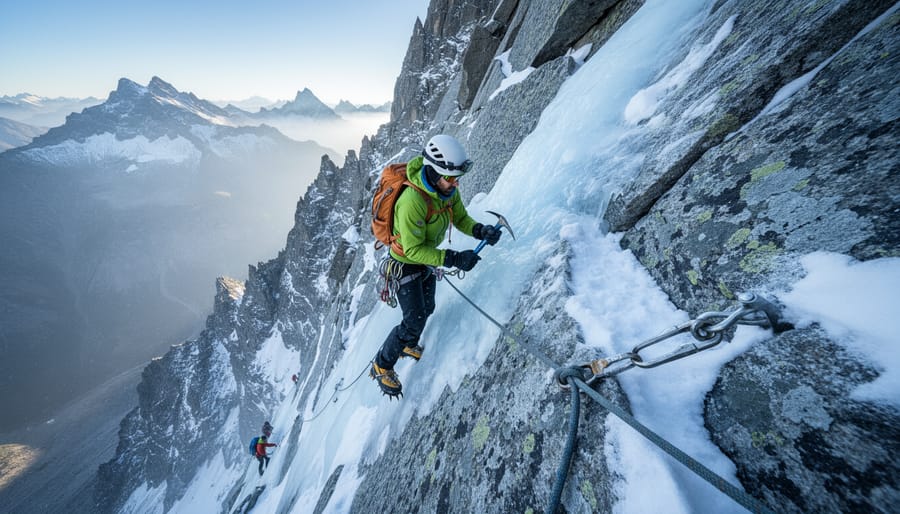
Winter conditions transform Ha Ling into a serious mountaineering objective that demands advanced skills and experience. The trail becomes a sheet of ice from November through April, particularly on the steeper sections and exposed scramble near the summit. You can’t simply hike harder when everything’s frozen, you need competency in winter travel, avalanche awareness, and self-arrest techniques before attempting this route.
You must bring microspikes for the entire ascent, not just the top. Regular trail runners won’t cut it here. The extremely icy conditions mean every step requires secure footing, and a slip on the upper slopes could send you sliding hundreds of feet. Many experienced winter hikers also carry an ice axe for added security on the steepest pitches.
Beyond traction, winter ascents require gear for rapidly changing conditions: windproof shells, insulated layers, extra gloves, headlamps with spare batteries (daylight hours are short), and emergency supplies in case you’re stuck overnight. Check avalanche forecasts beforehand and watch for wind-loaded slopes. If you haven’t done winter mountaineering before, Ha Ling isn’t the place to start, build your skillset on lower-consequence trails first.
Shoulder Season Challenges
Spring and fall present Ha Ling’s trickiest conditions. You’ll encounter unpredictable weather that can shift from sunshine to snow squalls within an hour, making layering strategies critical. The mixed terrain becomes genuinely hazardous, sections that are dry rock in summer and solid ice in winter turn into unstable, partially frozen surfaces with hidden ice patches under scattered snow. Early spring often means lingering snowpack on upper sections while lower elevations have melted, creating uneven footing throughout. Late fall delivers similar variability as temperatures fluctuate around freezing. You can’t rely purely on summer gear or commit to full winter equipment; you’ll need both traction devices and flexibility in your plans. Weather forecasts become less reliable during these transitions, and afternoon thunderstorms in spring or sudden temperature drops in fall happen with little warning.
Essential Gear for Ha Ling Peak
Footwear and Traction
The difference between a confident scramble and a white-knuckle ordeal often comes down to what’s on your feet. Ha Ling Peak throws mixed terrain at you: loose scree, exposed rock slabs, and those infamous icy patches that linger in shaded sections even after weeks of sunshine. Your footwear needs to handle all of it.
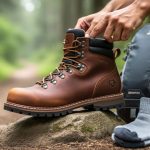
For three-season hiking, look for boots with aggressive tread patterns and sticky rubber compounds. The Salomon Quest 4 GTX delivers exceptional grip on rock scrambles, with a Contagrip sole that bites into angled slabs without feeling clunky on the approach trail. If you prefer lighter options, the La Sportiva Spire GTX offers scrambling-specific design with a climbing zone at the toe, though the narrower fit won’t suit everyone. Both provide the ankle support you’ll appreciate when fatigue sets in during the descent.
Winter conditions demand a completely different approach. Those extremely icy sections aren’t optional obstacles; they’re why so many hikers turn back. Microspikes transform the experience. The Kahtoola MICROspikes have earned their reputation through consistent bite on hard ice, with heat-treated stainless steel chains that resist snapping in subzero temperatures. The Hillsound Trail Crampon Pro offers slightly more aggressive teeth for steeper pitches, though they add noticeable weight.
Before you head out, check your 15 hiking essentials and practice walking in traction devices on flat ground. The first time you clip them on shouldn’t be halfway up an icy scramble with exposure below you.
Safety and Navigation Equipment
The scramble sections near the summit make a helmet non-negotiable gear. Loose rock and steep terrain mean even a small slip can send debris onto hikers below you, or put your own head at risk. Choose a lightweight climbing helmet that won’t overheat you on the ascent but provides solid impact protection where it counts.
Download offline maps before you start. Cell service vanishes partway up, and the trail isn’t always obvious once you hit the scree fields. Apps like Gaia GPS or AllTrails let you track your position even when you’re out of signal range. A physical compass and knowledge of how to use it adds a backup layer if your phone dies.
Pack a basic first aid kit with blister supplies, pain relievers, tensor bandages for twisted ankles, and wound care essentials. The descent taxes your knees and tests your footing, minor injuries happen. Include an emergency whistle and a small headlamp in case weather delays force you off the mountain later than planned. A lightweight emergency bivy or space blanket takes minimal pack space but could prove critical if conditions turn.
Clothing and Weather Protection
Mountain weather above Canmore shifts fast, and Ha Ling’s exposed ridge amplifies everything the sky throws at you. A day that starts sunny in the parking lot can turn windy and cold before you summit, so your clothing strategy needs to flex with conditions you can’t predict from the trailhead.
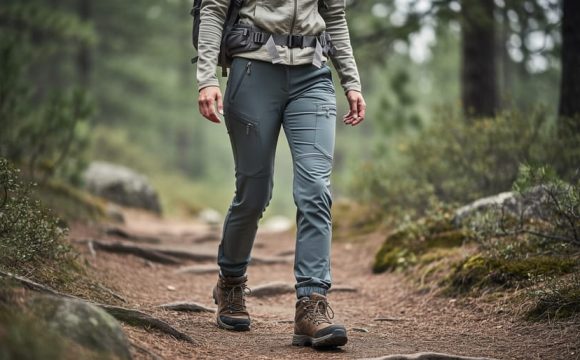
Start with a moisture-wicking base layer rather than cotton, which stays wet and chills you out. Add an insulating mid-layer like fleece or lightweight down that you can shed into your pack when you’re working hard on the ascent. The summit ridge catches serious wind regardless of season, making a waterproof jacket with wind-resistant fabric non-negotiable. Even on clear June days, gusts up top can drop the feels-like temperature by 15 degrees or more.
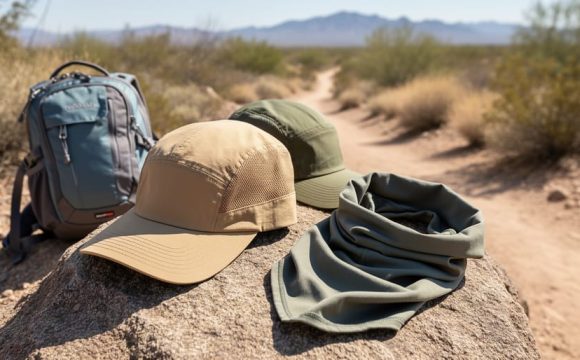
Sun exposure gets brutal at elevation, especially with snow reflecting UV back at you. Pack sunglasses, high-SPF sunscreen, and a hat with a brim. Your face and neck take a beating on that final scramble where there’s zero shade.
Bring gloves year-round. Light liner gloves work for summer scrambling over cool rock, while insulated shells become essential outside June through September. Stuff extra layers in your pack rather than risk getting caught cold and unable to descend safely.
Training and Preparation Tips
Start conditioning at least four to six weeks before your Ha Ling attempt, even if you hike regularly. The sustained elevation gain and scrambling sections demand more than flat-trail fitness. Focus on building both leg strength and cardiovascular endurance through hill repeats, stair climbing with a loaded pack, and lunges that mimic the stepping motions you’ll encounter on steep terrain.
Practice scrambling on easier routes first. Find local trails with short rock sections where you can safely develop hand placement, balance, and route-finding skills. The mental shift from hiking to using your hands for stability takes adjustment, and you don’t want Ha Ling to be your introduction. Start on class 2 terrain where the consequences are low, then progress to more exposed sections as your confidence builds.
Here’s a progressive approach to prepare:
- Week 1-2: Build base fitness with 3-4 moderate hikes per week, gradually adding weight to your pack
- Week 3-4: Introduce hill training and stair workouts, aiming for 30-45 minutes of sustained uphill effort
- Week 5-6: Complete at least two practice scrambles on easier terrain to develop hand-eye coordination and route reading
- Week 6-8: Attempt a longer endurance hike with similar elevation gain (800+ meters) to test your pacing and stamina
Mental preparation matters as much as physical readiness. Visualize the scramble sections and how you’ll handle exposure. Pack your hiking first aid kit and know how to use everything in it. Decide in advance what your turnaround criteria will be, specific time cutoffs, weather changes, or physical fatigue levels. Having these decisions made before you’re tired and committed reduces the temptation to push beyond safe limits.
Safety Considerations and Common Mistakes
The majority of incidents on Ha Ling Peak stem from underestimating the scramble sections and overestimating personal ability. The most common mistake is pushing forward when conditions deteriorate or fatigue sets in, especially on the final approach to the summit. That exposed scramble becomes exponentially more dangerous when you’re tired, the rock is wet, or visibility drops.
Many hikers also fail to start early enough. An afternoon thunderstorm on an exposed ridge is no place to be, yet we consistently see people summiting at 2 PM during summer when weather windows are tightest. Aim to reach the summit by noon, giving yourself ample time to descend before conditions change.
Another frequent error is hiking solo without proper communication backup. Cell service is spotty at best on Ha Ling, making a satellite messenger worth considering if you’re tackling this one alone or in poor weather. We’ve tested several models that perform reliably in mountain terrain, and the peace of mind is substantial.
The scramble sections demand three points of contact and deliberate foot placement. Rushing these portions or attempting them in running shoes rather than proper hiking boots has led to twisted ankles and worse. If you feel uncomfortable on any section, turn around. There’s zero shame in calling it, and Ha Ling will still be there next weekend. Watch for loose rock, especially after rain or when other hikers are above you, and never rely on fixed ropes or webbing you might encounter, their age and condition are unknown.
Ha Ling Peak rewards proper preparation with one of the Rockies’ most spectacular views. The climb demands respect, solid footwear, reliable traction for icy sections, and honest self-assessment of your fitness and skills. Don’t rush the process. Build your scrambling confidence on easier routes first, invest in quality gear that won’t fail when conditions turn, and accept that turning back is sometimes the smartest summit decision you’ll make.