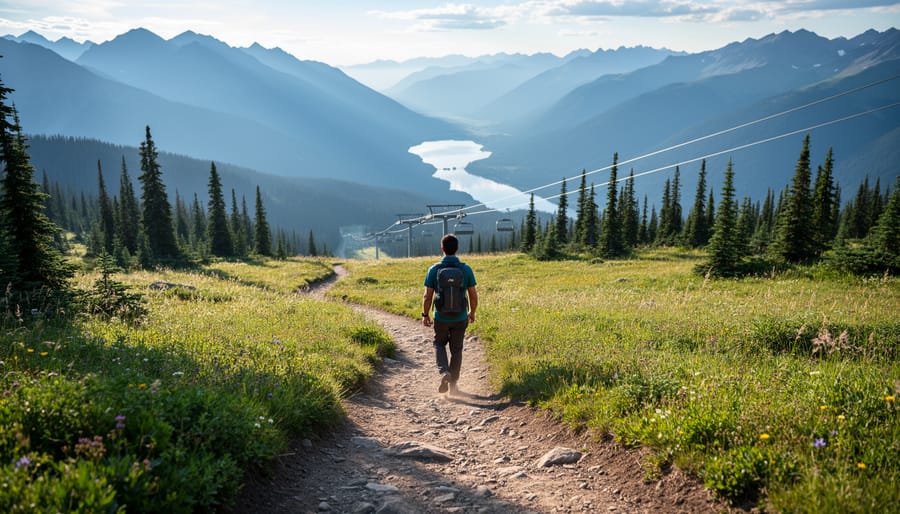

Sun Peaks delivers 22 hiking trails that are genuinely worth your time, anchored by a chairlift that drops you at 1,850 meters above sea level and saves you the brutal climb to mid-mountain. The network ranges from gentle 15-minute village loops to full alpine summit pushes and Tod Lake excursions, giving you enough variety to plan a hiking trip that works whether you’re traveling with kids, nursing sore knees, or chasing panoramic ridge views.
The 2026 season runs daily from June 13 through September 7, then continues daily until September 27, which means you have a solid four-month window to explore these routes without the ski crowds. Chairlift access is the standout feature here, letting you skip the lowest elevation gain and start your hike where the scenery actually gets interesting: sub-alpine meadows, ridgeline views, and open forests where you can spot black bears from a safe 100 meters.
If you’re comparing trail options, standouts like the 1.5-kilometer Vista trail give you meadow edges and mountainside traverses in just 30 minutes round trip, while the Juniper Ridge Loop covers 0.6 kilometers in 15 minutes for an easy must-do introduction. The difficulty spread is practical: lower sections stay flat enough for families, but steeper upper loops exist if you want elevation and effort. This review breaks down which trails match your fitness level, how long each actually takes, what the scenery delivers, and which routes justify the chairlift ticket.
Who Sun Peaks Hiking Is For
Sun Peaks hiking suits a wide spectrum of abilities and hiking preferences, making it particularly valuable for groups with mixed experience levels. If you’re a family with kids who tire on long approaches, the chairlift access lets you skip the elevation grind and start exploring alpine meadows within minutes. The Juniper Ridge Loop and Vista trail cater perfectly to this crowd, short distances, manageable terrain, and scenery that rewards minimal effort.
Intermediate hikers benefit most from the chairlift-assisted model. You get dropped at 1,850m without the slog, giving you fresh legs to explore sub-alpine woods and mountainside meadows rather than spending half your energy on vertical gain. The trails here suit hikers who want legitimate alpine terrain and views without committing to an all-day backcountry push.
Experienced hikers will appreciate the 22-trail network’s range. While the easier loops provide quick wins, routes extending to Tod Lake and alpine summits offer more demanding terrain for those seeking a genuine physical challenge and solitude at higher elevations.
If you’re averse to chairlift rides or prefer earning every metre of elevation on foot, Sun Peaks still delivers. Village-level trails start at 1,255m and provide low-commitment options that don’t require mechanical assistance.
The system works particularly well for trip planners managing different fitness levels or testing their legs after travel. You can gauge energy on a 15-minute loop, then decide whether to tackle something longer.
Trail Performance: What We Found on the Ground
We hiked Sun Peaks’ trail network over multiple visits to assess what you’ll actually encounter on the ground. The system delivers solid performance across four key areas that matter for trip planning.
Difficulty variance is real and well-distributed. You’ll find genuinely easy options like the 15-minute Juniper Ridge Loop alongside demanding alpine routes to Tod Lake and Mt. Tod. The Vista trail demonstrates this range within a single hike, flat and manageable for half its length, then optional uphill sections that transform it from an out-and-back stroll to a moderate loop. This spread means most fitness levels can find appropriate terrain without settling for trails that feel too simple or punishingly hard.
Scenery quality exceeded expectations for a resort environment. Sub-alpine meadows, mountain views, and forested sections appear frequently rather than clustering on just one or two showcase routes. Even quick hits like Juniper Ridge deliver alpine character, while longer routes push into backcountry-style landscapes around Tod Lake.
Time efficiency stands out. Starting at 1,850m via chairlift eliminates the slog from base elevation (1,255m), letting you cover meaningful alpine terrain in 30 minutes to an hour. The chairlift access fundamentally changes what’s possible in a half-day.
Seasonal accessibility is straightforward but narrow. Chairlift-assisted hiking runs daily from June 13 through September 27, 2026. Outside that window, you’re hiking from village elevation or not at all.
1. Vista Trail: The Alpine Meadow Showcase
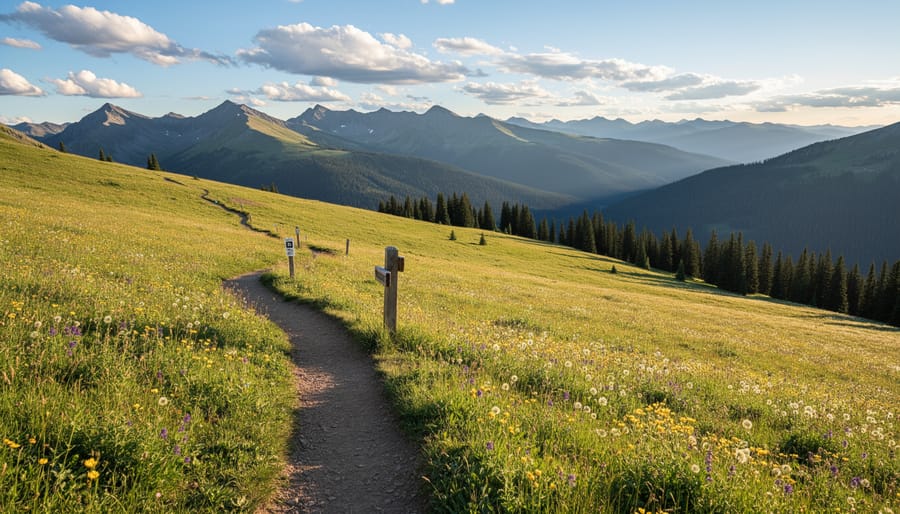
The Vista trail earns its name. Starting at 1,850m after a chairlift ride, this 1.5km route delivers sub-alpine meadow scenery without demanding technical skill or significant elevation gain. It’s the go-to choice for hikers who want mountain views and wildflower-studded terrain without committing to a multi-hour ascent.
The lower half runs relatively flat through sub-alpine woods, making it accessible for families and less experienced hikers. You can turn back at any point for an easy out-and-back hike, which keeps the difficulty minimal and the time investment flexible. If you want a bit more challenge, continue uphill to complete the loop, a short climb adds variety without straining fitness. The loop option takes you along the edge of the mountainside meadows, where you’ll see open terrain framed by peaks rather than dense forest walls.
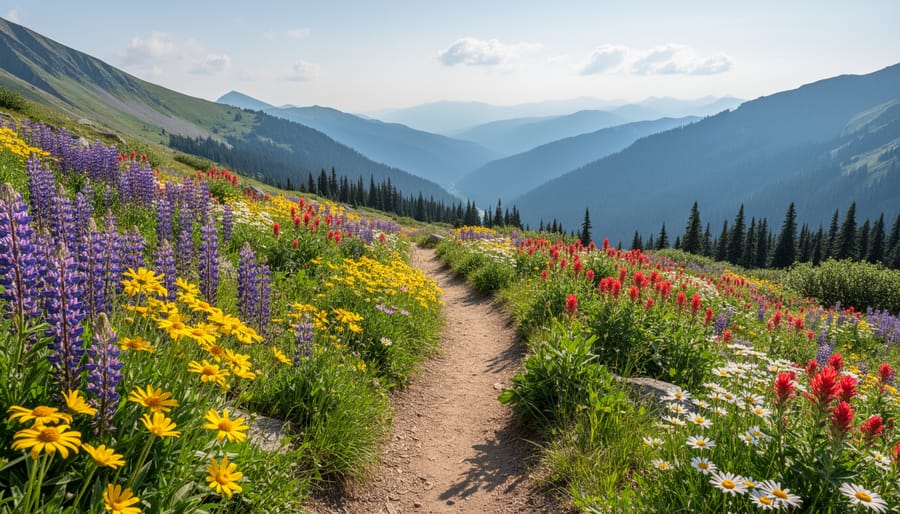
Scenery shifts from shaded woods to exposed meadow, offering different visual payoffs depending on how far you go. The meadow sections are particularly strong in July and August when alpine wildflowers peak, though the trail remains photogenic throughout the chairlift-accessible season from mid-June through late September.
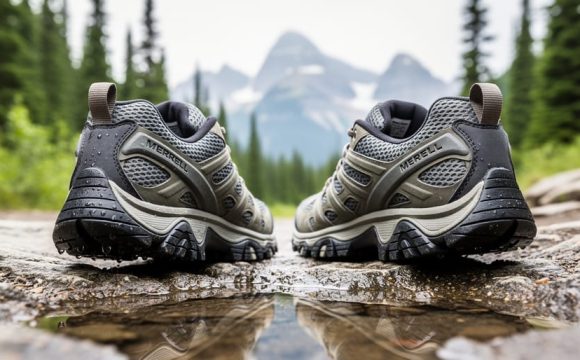
Who should hike Vista? It suits intermediate hikers looking for a warm-up or recovery day, families with kids comfortable on uneven terrain, and anyone prioritizing scenery over physical challenge. The relatively flat lower section means you won’t face sustained steep grades, but the trail surface can be rocky, so sturdy footwear matters more than cardio endurance. If you’re debating between a quick loop and a longer exploration, Vista adapts to both, cut it short or complete the circuit based on energy and time.
2. Juniper Ridge Loop: The Quick Alpine Hit
The Juniper Ridge Loop delivers maximum alpine payoff for minimal effort. At just 0.6km and roughly 15 minutes round trip, this chairlift-accessed trail sits at the top of Sun Peaks’ must-do list for good reason.
Start by riding the Sunburst or Sundance Express Chairlift to 1,850m, then follow the loop clockwise for the best photo sequencing. You’ll walk through sub-alpine meadows dotted with wildflowers in July and early August, with unobstructed views across the valley and neighbouring peaks. The terrain stays flat to gently rolling, making it genuinely accessible for young kids, older hikers, or anyone still adjusting to elevation.
This trail works perfectly as a warm-up if you’re planning a longer hike later in the day. It’s also ideal for families who want the alpine experience without committing to a multi-hour trek. You can knock it out before lunch and still have energy for afternoon activities at the village.
The scenery-to-effort ratio is what sets Juniper Ridge Loop apart. Most alpine trails demand sustained climbing to reach meadows and panoramic views; here, the chairlift does the work, and you get straight to the reward. The loop stays close enough to the top station that navigation is straightforward, yet far enough to feel like you’ve stepped into genuine backcountry terrain.
Don’t skip this one thinking it’s too short to matter. It punches well above its 15-minute weight class.
3. Routes to Tod Lake and Alpine Summits
For hikers willing to commit to a full day in the mountains, Sun Peaks’ routes to Tod Lake and the alpine summit areas deliver the kind of terrain you’d normally drive hours into the backcountry to reach. These represent the challenging end of the resort’s 22-trail network: longer distances, sustained elevation gain beyond the chairlift drop-off at 1,850m, and the raw alpine environment of exposed ridgelines and high-elevation lakes.
The Tod Lake routes require stamina and navigation skills. You’re trading the ease of a 30-minute meadow stroll for several hours of hiking through subalpine forest, across rocky slopes, and into terrain where weather can shift fast. Expect some route-finding on less-manicured trail, stream crossings depending on snowmelt, and significant elevation change once you leave mid-mountain. The payoff is solitude, dramatic summit views, and the sense of earning your scenery in a way the shorter loops simply can’t provide.
Mt. Tod summit routes push into true alpine territory. These demand fitness, good boots, layered clothing for exposed conditions, and the awareness that you’re hiking at elevations where afternoon thunderstorms develop quickly. The chairlift takes care of the initial climb, but you’ll still gain considerable elevation from mid-mountain to the summit areas. This isn’t a casual outing, bring navigation tools, extra food, and check trail status before you go.
If your trip planning includes a big-mountain objective and you’re comfortable with backcountry-style terrain, these trails justify the effort. They’re best left for experienced hikers who know their limits, carry the right gear, and won’t mind if the hike takes most of the day.
4. Village Strolls: Low-Elevation, Family-Friendly Options
If you’re not ready for a mid-mountain chairlift ride or simply want a low-key walk after a big day on the trails, Sun Peaks’ village-level routes deliver stress-free hiking without the elevation commitment. These paths start from the base at 1,255m and require no ticket, no chairlift, and no significant climb, just put on your shoes and go.
The village strolls work best for families with toddlers or young kids who aren’t ready for alpine terrain, anyone taking a rest day between harder hikes, or hikers arriving late in the afternoon who want a quick leg-stretch before dinner. They’re also ideal if you’re testing fitness after travel or easing into altitude before tackling the higher routes. Expect gentle grades, wide paths, and scenery that’s more forested valley than dramatic alpine, think creekside woods and meadow edges rather than sweeping summit views.
These trails won’t challenge experienced hikers, but that’s the point. They let you stay active without exertion, keep young children entertained without pushing their limits, and offer a quiet walk when you don’t want to commit an hour or more to a round trip. If your group has mixed abilities or you’re planning multiple hike days, pencil in a village stroll as a buffer, it’s hiking without the pressure, accessible any time during your Sun Peaks stay.
Chairlift Access and Elevation Planning
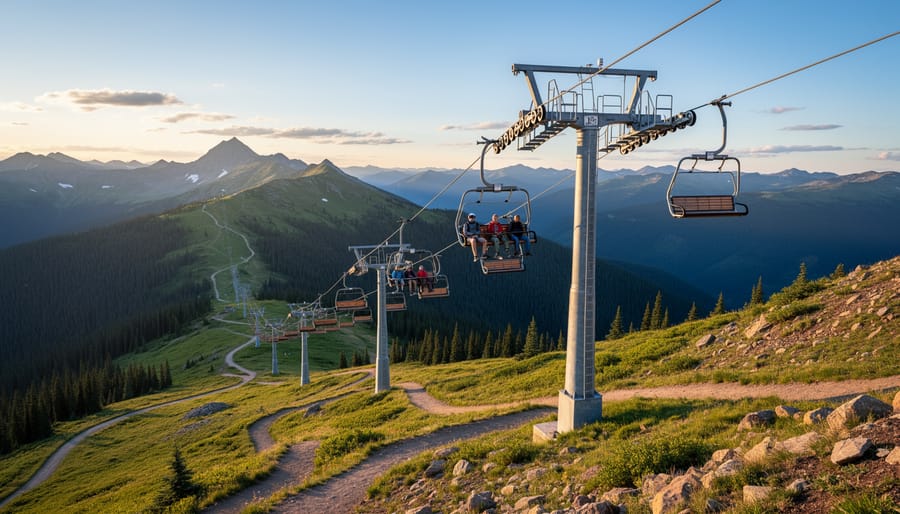
Sun Peaks’ two mid-mountain chairlifts, Sunburst and Sundance Express, lift hikers from the village base at 1,255m to a starting elevation of 1,850m, cutting roughly 600 vertical metres of climbing from the outset. That head start transforms what would be long, grueling slogs into manageable alpine routes, making trails like Vista and Juniper Ridge Loop accessible to intermediate hikers who wouldn’t attempt the equivalent climb from the valley floor. The chairlift drops you directly into sub-alpine meadows and forested zones, so you walk into scenery rather than earning it through hours of switchbacks.
This operating schedule shapes your entire trip plan. If you’re visiting in early June or after late September, expect village-level walks only unless you’re prepared for full-elevation ascents. During the June-to-September window, chairlift access opens the full 22-trail network, letting you stack two or three alpine routes in a single day, say, Juniper Ridge Loop as a warm-up, Vista for the meadows, and a longer push toward Tod Lake if conditions and energy allow. The chairlift efficiency also matters for families: kids who balk at long climbs will happily ride up and hike short, scenic loops at altitude. Check trail status before you go, since late-season snow or early closures can shrink the accessible terrain even when chairlifts run.
Trail Comparison: Which Route Fits Your Day
Choosing the right trail comes down to matching your fitness level and available time to what each route demands. The table below breaks down the main routes reviewed so you can quickly decide which fits your day.
| Trail Name | Distance | Time | Difficulty | Best For |
|---|---|---|---|---|
| Juniper Ridge Loop | 0.6km | 15 min | Easy | Families, warm-up hikes, first-timers |
| Vista Trail | 1.5km | 30 min | Easy to Moderate | Intermediate hikers wanting alpine meadows without extended effort |
| Village Strolls | Varies | 20-40 min | Easy | Evening walks, rest days, young children |
| Tod Lake & Summit Routes | 5km+ | 2-4 hours | Moderate to Challenging | Experienced hikers seeking backcountry terrain and elevation gain |
If you have 15 minutes and want guaranteed scenery, Juniper Ridge delivers. With half an hour and chairlift access, Vista shows off sub-alpine meadows without punishing climbs. Those planning a half-day or full-day outing should eye the longer summit and lake routes, which demand more stamina but reward with alpine solitude.
Consider your group’s slowest hiker when estimating time. Families with children typically need double the listed durations, and altitude affects everyone differently at 1,850m. Check current trail conditions before committing to a route, pack hiking caps for sun exposure above treeline, and review safety tips if you’re new to alpine hiking. The elevation advantage from chairlift access means you start high, but weather can shift quickly at mid-mountain.
Safety and Wildlife Awareness
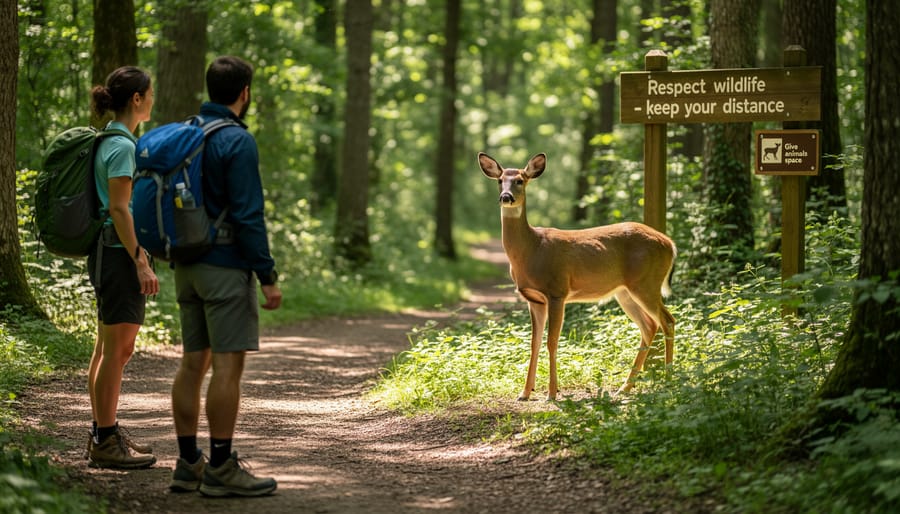
Sun Peaks’ alpine environment brings black bears, sudden weather shifts, and terrain that demands respect, even on the short trails. The resort’s official guidance sets a minimum distance of 100 metres from any bear you encounter, and carrying bear spray is standard practice for hikers at this elevation. Make noise as you walk, especially in dense sub-alpine woods where visibility drops, and never approach wildlife for photos or a closer look.
Weather at 1,850 metres changes faster than at the village base. A clear morning can turn into afternoon thunderstorms or whiteout fog, and temperatures drop noticeably once you’re above the treeline. Before you ride the chairlift up, check the trail status page on Sun Peaks’ website, closures happen due to wildlife activity, trail maintenance, or hazardous conditions, and you don’t want to discover a closed route after you’ve already paid for lift access.
Essential safety steps include:
- Carry bear spray in an accessible pocket, not buried in your pack
- Maintain 100 metres distance from bears; back away slowly if you encounter one
- Check weather forecasts for the alpine zone before heading out, not just the village
- Review the resort’s trail status page the morning of your hike
- Pack a rain shell, extra layer, water, and snacks even for 30-minute routes like Vista
Alpine conditions don’t soften just because the trail is short. The Juniper Ridge Loop takes 15 minutes, but you’re still at elevation where exposure matters. Bring more gear than the distance suggests, monitor your surroundings for wildlife, and treat every hike, whether it’s a quick loop or a push to Tod Lake, as a backcountry outing that requires preparation.
How We Selected These Routes
We chose these routes to give you a practical snapshot of Sun Peaks’ 22-trail network, prioritizing variety across four key dimensions. First, difficulty and distance: we wanted everything from 15-minute warm-ups like Juniper Ridge Loop to full-day alpine pushes toward Tod Lake, so you can match a trail to your fitness level and schedule. Second, chairlift accessibility: most featured routes leverage the Sunburst or Sundance Express lifts to start at 1,850m, shaving hours off elevation gain and letting you focus energy on scenery rather than slogging uphill from the village. Third, scenery diversity: we included meadow showcases like Vista, wooded village strolls, and summit routes to represent the full alpine-to-base spectrum. Finally, time efficiency: some hikers want maximum views per hour invested, others prefer unhurried exploration, so we selected trails that deliver both quick wins and immersive backcountry-style experiences.
These aren’t ranked favorites, they’re functional representatives. If you’re stringing Sun Peaks into broader road trip routes through British Columbia, this selection helps you slot half-day hikes or rest-day village walks into your itinerary without guesswork. The goal is decision support: know before you go which trail fits your day.
Frequently Asked Questions
How many trails are there at Sun Peaks?
Sun Peaks offers 22 hiking trails that span a wide range of terrain and difficulty levels. These routes include everything from short village strolls at the base elevation to challenging alpine summits and the route to Tod Lake, giving you plenty of options whether you’re planning a quick warm-up loop or a full-day backcountry-style adventure.
Can I hike without taking the chairlift?
Yes, you can hike without using the chairlift by sticking to the village-level trails that start at the base elevation of 1,255m. These routes don’t require a lift ticket and work well for rest days, evening walks, or families with young children. If you want to access the mid-mountain and alpine trails, though, riding the Sunburst or Sundance Express Chairlifts to 1,850m saves significant elevation gain and opens up the meadow and summit routes.
When is the hiking season at Sun Peaks?
The 2026 hiking season runs daily from June 13 through September 7, then continues daily from September 8 to 27, matching the chairlift operation schedule. Outside these dates, chairlift-assisted trails become inaccessible unless you’re willing to hike from the base, which adds considerable distance and elevation to any route.
Are Sun Peaks trails crowded?
Sun Peaks trails generally see lighter traffic compared to other resort hiking destinations, even during peak summer months. The 22-trail network spreads hikers across multiple routes, and many visitors focus on biking rather than hiking, leaving the footpaths relatively uncrowded.
What’s the easiest trail for beginners?
The Juniper Ridge Loop is the easiest trail for beginners, covering just 0.6km in about 15 minutes round trip with minimal elevation change. If you’re looking for more hiking spots beyond Sun Peaks, the Vista trail’s lower half also works well as an easy out-and-back option, giving you a gentle 1.5km introduction to the sub-alpine woods and meadow edges without committing to the full loop.
Who It’s For
This review is for hikers planning a summer trip to British Columbia who want the benefits of alpine hiking without the usual slog. If you’re drawn to chairlift-assisted trails that start at elevation and deliver meadow scenery without hours of uphill grind, Sun Peaks fits your itinerary.
It’s especially suited to families with older children who can handle 15 to 30-minute trails but aren’t ready for all-day backcountry slogs. Intermediate hikers looking for variety will appreciate the spectrum from quick loops to longer routes toward Tod Lake and alpine summits, all accessible from the same chairlift base.
If you prefer completely uncrowded wilderness or don’t want to pay for lift access, this might not be your first choice. But for trip planners seeking efficient alpine access, trail options that scale with ability, and a manageable hiking season window from mid-June through late September, Sun Peaks delivers a practical, well-rounded mountain experience.
Sun Peaks proves itself as a solid hiking destination that removes the usual barriers to alpine terrain. The chairlift access means you’re starting at 1,850m without the slog, and the 22-trail network genuinely covers the spectrum, 15-minute meadow loops for families, half-hour Vista walks for casual hikers, and backcountry-style routes to Tod Lake for those chasing bigger days. The terrain stays relatively uncrowded, which matters when you’re trying to enjoy alpine meadows without fighting for elbow room.
Your homework before heading out: check the trail status page for current conditions and verify chairlift schedules, especially if you’re planning a trip outside the June-to-September peak window. Match your fitness level and available time to the right route, Vista and Juniper Ridge Loop deliver maximum scenery per effort invested, while the summit and lake trails require proper preparation and time. Factor in elevation, weather shifts, and wildlife awareness. Sun Peaks rewards hikers who do their planning, and the variety here means almost everyone finds a trail that fits their trip.