
Check return policies before purchasing anything—reputable camping gear stores offer hassle-free returns within 30-90 days, while questionable retailers often impose restocking fees or restrictive conditions that leave you stuck with ill-fitting boots or underperforming tents.
Read customer reviews across multiple platforms, not just the store’s website. Look for patterns in feedback about shipping speeds, customer service responsiveness, and product quality. A store with hundreds of five-star reviews but dozens of recent complaints about delayed shipments or unresponsive support teams deserves scrutiny.
Verify product authenticity guarantees, especially when buying premium brands like Arc’teryx, Patagonia, or MSR. Legitimate retailers clearly state they’re authorized dealers and stand behind every product’s warranty. Stores offering suspiciously low prices on high-end gear without authorization documentation often sell knockoffs or gray-market items that manufacturers won’t honor for warranty claims.
Test customer service before committing to large purchases. Send a detailed question about product specifications or sizing—quality stores respond within 24 hours with knowledgeable, helpful answers. Generic responses or prolonged silence signals inadequate support that’ll frustrate you when issues arise.
Compare price-matching policies and loyalty programs. The best camping gear retailers match competitor prices and reward repeat customers with points, exclusive discounts, or early access to sales. Stores lacking these features often charge premium prices without added value.
Your gear keeps you safe and comfortable in the wilderness, so choosing where to buy it matters just as much as what you buy. This guide helps you separate exceptional retailers from disappointing ones.
What Makes a Camping Gear Store Worth Your Time
Not all camping gear stores deserve your hard-earned money, and learning to distinguish the exceptional from the mediocre can save you from costly mistakes and disappointing purchases. The best retailers share several common characteristics that go far beyond simply stocking tents and sleeping bags.
Product selection depth stands as one of the most revealing indicators of a quality camping gear store. Top-tier retailers don’t just carry one or two options in each category—they offer comprehensive ranges that accommodate different skill levels, budgets, and activity types. Whether you’re looking for a lightweight backpacking stove or a family-sized car camping tent, exceptional stores provide choices that reflect real-world outdoor needs. This variety demonstrates that the retailer understands their customers aren’t all cut from the same cloth.
When evaluating potential stores, look for these essential qualities:
- Curated selection of reputable brands alongside emerging quality manufacturers
- Staff with genuine outdoor experience who can speak from personal use
- Transparent return policies that protect you from defective or unsuitable gear
- Educational resources like buying guides, comparison tools, and how-to content
- Active engagement with the outdoor community through events or partnerships
Brand partnerships reveal a lot about a store’s credibility and commitment to quality. Established outdoor brands carefully choose which retailers can carry their products, meaning authorized dealer status signals trustworthiness. However, the best stores balance well-known names with innovative smaller brands that offer genuine value, showing they prioritize performance over profit margins alone.
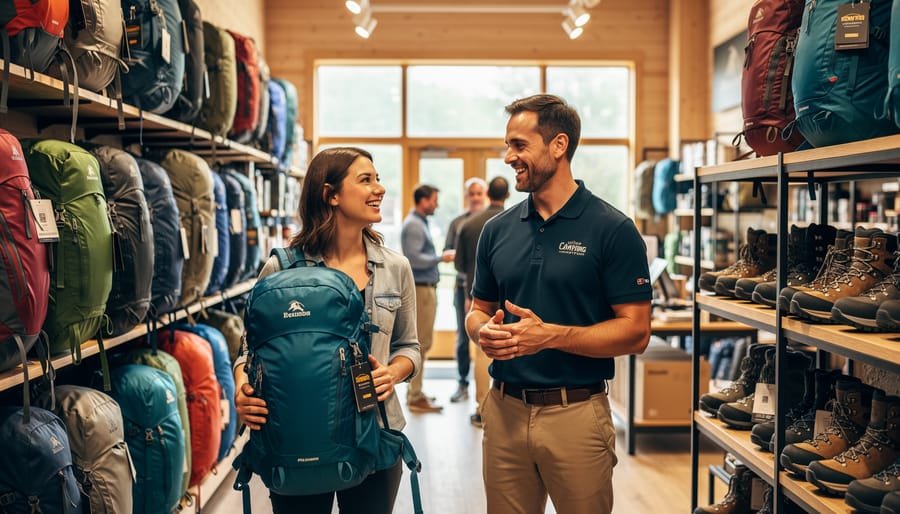
Expertise level separates knowledgeable retailers from warehouses that happen to sell camping equipment. When staff members can explain the practical differences between gear options, recommend products based on specific trip conditions, and share insights from actual field testing, you’re dealing with specialists who care about your outdoor success.
Customer support quality becomes especially crucial when something goes wrong. Exceptional stores stand behind their products with hassle-free returns, responsive communication channels, and problem-solving attitudes. They understand that a broken tent zipper on a rainy camping trip isn’t just an inconvenience—it’s a matter of comfort and potentially safety. Look for retailers with established track records of making things right, even when it’s not easy or immediately profitable.
Reading Between the Lines: How to Evaluate Store Reviews
Red Flags in Store Reviews
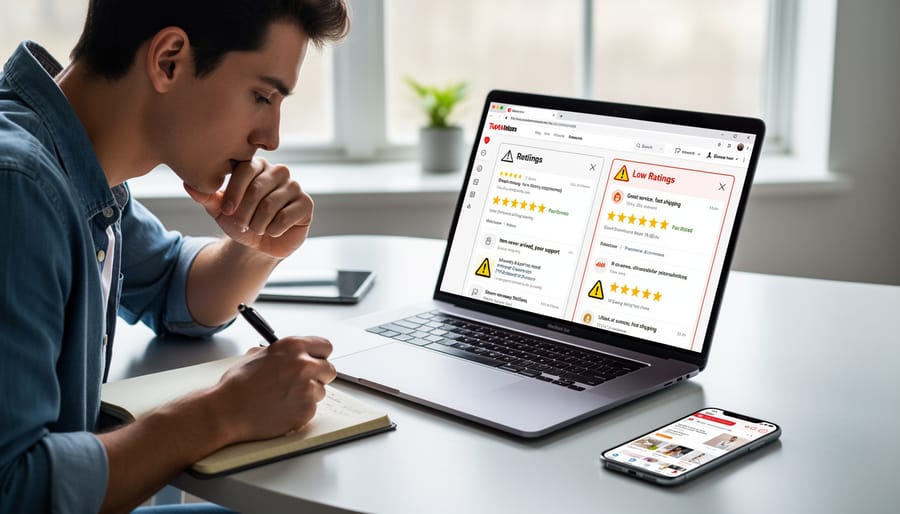
When reading through camping gear store reviews, certain patterns should immediately raise concerns. A consistent theme of shipping delays—especially when customers mention orders taking weeks longer than promised—signals operational problems that could leave you without essential gear before your planned trip. Pay close attention to how stores handle these delays; reputable retailers communicate proactively and offer solutions, while problematic ones go silent or make excuses.
Return policy complaints deserve serious consideration. If multiple reviewers describe difficulty returning defective products or mention restocking fees that weren’t clearly disclosed, you’re looking at a potential headache. Quality outdoor retailers understand that gear sometimes doesn’t work out and make the return process straightforward. Watch for reviews mentioning unanswered emails, disconnected phone lines, or customer service representatives who seem untrained about the products they’re selling.
Another red flag is a suspicious review pattern—dozens of five-star reviews posted within a short timeframe, all using similar language, or reviews that seem overly promotional rather than genuinely helpful. Authentic reviews discuss specific products and experiences, mentioning both strengths and minor limitations. Also be wary of stores that respond defensively or aggressively to legitimate criticism rather than attempting to resolve issues professionally. These behavior patterns often indicate deeper problems with how the business operates and values its customers.
Green Flags That Signal a Reliable Retailer
When you’re browsing through camping gear store reviews, certain patterns should catch your eye and make you feel confident about hitting that “Add to Cart” button. Let’s talk about the good stuff—those green flags that separate the reliable retailers from the rest.
First up, look for consistency in positive feedback across multiple review platforms. A trustworthy store will have solid ratings on their own website, Google, Trustpilot, and outdoor gear forums. Pay attention to reviews that mention specific product details or staff interactions—these genuine accounts carry more weight than generic five-star ratings.
Responsive communication is another major indicator. Quality retailers respond to both positive and negative reviews professionally and promptly. They answer pre-purchase questions thoroughly, provide detailed product information, and follow up after sales. If you see a store actively engaging with customers and resolving issues transparently, that’s a strong sign they value their reputation.
Expert staff knowledge shines through in detailed product descriptions, helpful buying guides, and accurate specifications. Reliable stores employ team members who actually use the gear they sell and can offer real-world insights. Look for reviews praising staff recommendations or mentioning how employees helped customers choose the right equipment for their specific needs.
Other positive signals include clear return policies, transparent shipping information, detailed product photos from multiple angles, and honest assessments of gear limitations. When a store isn’t afraid to mention that a particular tent works best in mild conditions rather than claiming it’s perfect for everything, that honesty builds trust. These retailers understand that matching you with the right gear creates long-term customer relationships.
Specialty Stores vs. Big-Box Retailers: The Real Differences
When you’re ready to invest in camping gear, one of your first decisions is where to shop. The choice between specialty outdoor retailers and big-box stores can significantly impact your buying experience, and understanding what each offers helps you make the best decision for your needs.
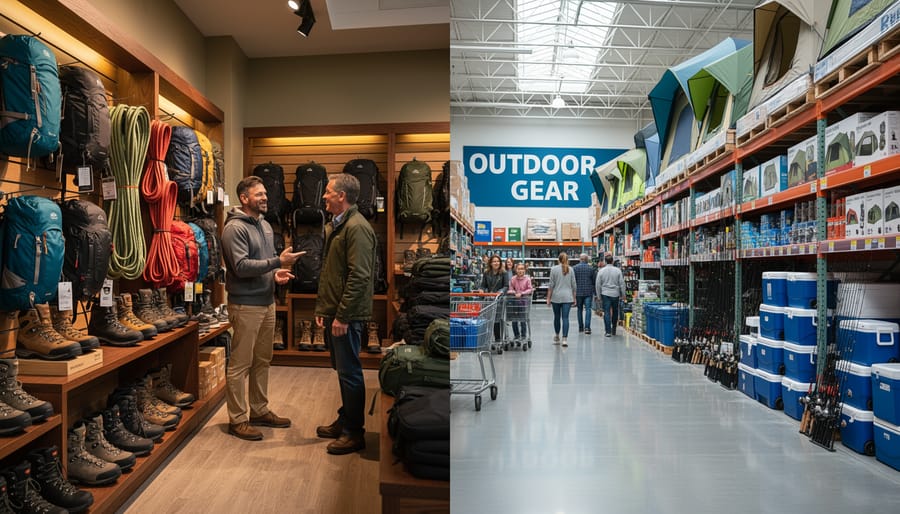
Specialty outdoor stores like REI, Backcountry, and local outfitters focus exclusively on outdoor equipment and activities. These retailers typically employ staff who are passionate outdoor enthusiasts themselves, often with firsthand experience using the products they sell. When you walk into a specialty store with questions about sleeping bag temperature ratings or backpack fit, you’re likely to get detailed, practical advice from someone who’s actually used similar gear in real conditions.
Big-box retailers such as Dick’s Sporting Goods, Academy Sports, or even Target and Walmart offer camping sections within their larger inventory. While they carry outdoor gear, it’s just one category among many, from team sports to fitness equipment.
- Staff with genuine outdoor expertise and product knowledge.
- Curated selection of quality gear tested for performance.
- Specialized services like gear fitting, repair programs, and rental options.
- Strong return policies and satisfaction guarantees.
- Generally higher prices on entry-level equipment.
- Fewer locations may require longer travel times.
- Smaller inventory of budget-friendly options.
- Lower prices on basic camping essentials.
- Convenient locations with extended hours.
- Wide availability of budget and mid-range options.
- Easy one-stop shopping for multiple categories.
- Limited staff expertise in outdoor-specific products.
- Inconsistent product quality across price points.
- Fewer premium or specialized gear options.
- Less comprehensive return policies on used gear.
The right choice often depends on what you’re buying and your experience level. For technical gear where fit and performance matter, like hiking boots or climbing equipment, specialty stores provide invaluable expertise. For basic items like coolers, camping chairs, or routine supplies, big-box retailers offer perfectly adequate options at competitive prices. Many savvy outdoor enthusiasts use both, leveraging specialty stores for complex purchases and big-box retailers for straightforward gear.
Online vs. Brick-and-Mortar: Where to Spend Your Money
Deciding where to buy your camping gear often comes down to choosing between online retailers and physical stores, and honestly, both have their merits. Let’s break down what each option brings to the table so you can make the best choice for your needs.
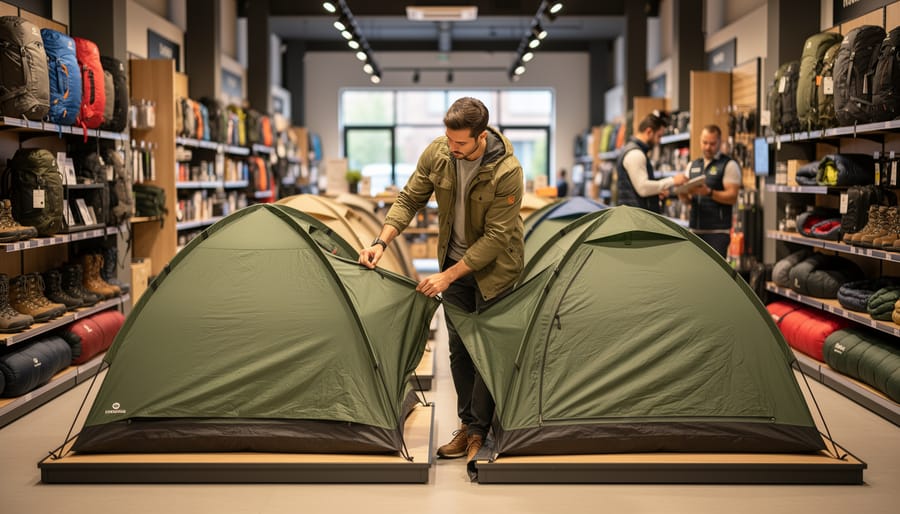
Physical stores shine when it comes to hands-on experience. There’s simply no substitute for unzipping a tent to check its interior space, feeling the weight of a backpack on your shoulders, or testing a sleeping bag‘s insulation firsthand. Knowledgeable staff can offer personalized recommendations based on your specific adventures, and you can walk out with your gear the same day. If something doesn’t fit right or meet your expectations, returns are typically straightforward with immediate refunds or exchanges.
The downside? Brick-and-mortar stores often carry higher prices due to overhead costs, and their inventory is limited by physical space. You might find three backpack options instead of thirty, and specialized gear for niche activities can be hard to find locally.
Online retailers counter these limitations with massive product selections and competitive pricing. You can compare dozens of tents side-by-side, read hundreds of customer reviews, and often score better deals, especially during sales events. Shopping from your couch at midnight is pretty convenient too. Many established online stores now offer generous return windows, sometimes 60 to 90 days, and detailed product videos that partially bridge the tactile gap.
However, you’re buying sight unseen, which means sizing issues and unmet expectations happen more frequently. Shipping times can delay your trip preparations, and return processes, while usually fair, require packaging items back up and waiting for refunds.
The smart approach? Use both strategically. Visit local stores to test major investments like backpacks and boots, then price-check online. For consumables, accessories, and gear you’re already familiar with, online shopping often delivers better value. Many outdoor enthusiasts find that combining both shopping methods gives them the advantages of each while minimizing the drawbacks.
What Store Reviews Tell You About Product Quality
Store reviews offer a window into something crucial that product specifications alone can’t reveal: whether a retailer actually curates quality gear or simply stocks whatever has the highest profit margin. Pay attention to patterns in customer feedback about product durability and performance. When multiple reviewers mention that items purchased from a particular store held up exceptionally well during their adventures, or conversely, that gear failed prematurely, you’re getting valuable intel about that retailer’s selection standards.
The best camping gear stores act as filters, carrying brands and products they genuinely trust. Look for reviews that mention knowledgeable staff who steered customers toward appropriate gear for their needs, even if it meant recommending a less expensive option. This suggests the store prioritizes customer satisfaction over maximizing individual sales. Conversely, if reviews consistently mention pushy sales tactics or products that didn’t match the promised specifications, that’s a red flag about the retailer’s integrity.
Return policies and warranty support speak volumes about whether stores stand behind what they sell. Reviews detailing how a store handled defective products or customer dissatisfaction reveal their true commitment to quality. A retailer that makes returns difficult or refuses to honor manufacturer warranties isn’t confident in their merchandise. Meanwhile, stores that go above and beyond to resolve product issues, sometimes even replacing items outside warranty periods, demonstrate they’ve built their reputation on customer trust rather than one-time transactions.
Don’t just focus on five-star reviews. Three and four-star reviews often provide the most balanced perspective, acknowledging both strengths and honest limitations of a store’s inventory and practices.
Customer Service: The Make-or-Break Factor
When you’re investing in camping gear, the quality of customer service can mean the difference between a fantastic outdoor experience and a frustrating ordeal. Think about it: even the best equipment can occasionally fail, arrive damaged, or simply not meet your specific needs. That’s when stellar customer service becomes invaluable.
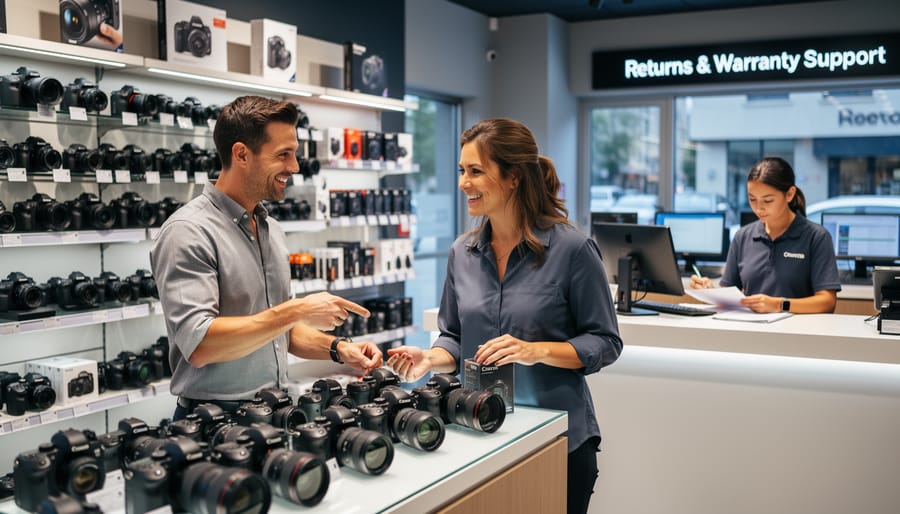
Exceptional camping gear retailers understand that their relationship with you extends far beyond the initial sale. When you’re standing in your driveway with a tent that has a broken pole or a sleeping bag that doesn’t match the temperature rating you ordered, responsive customer service becomes critical. The best stores make returns and exchanges straightforward, with clear policies posted upfront and hassle-free processes that don’t leave you jumping through hoops.
Warranty support deserves special attention. Quality camping gear often comes with manufacturer warranties, but navigating these claims can be complicated. Top-tier retailers act as your advocate, helping facilitate warranty claims rather than pointing you toward a maze of manufacturer contact forms. Some even handle the entire process on your behalf, which saves you considerable time and frustration when gear fails in the field.
Expert advice is another customer service dimension that separates great stores from mediocre ones. Knowledgeable staff who can guide you toward the right sleeping pad for your body type, recommend appropriate layering systems for your climate, or explain the differences between tent designs add tremendous value. This expertise becomes especially important for beginners who might feel overwhelmed by technical specifications and endless product options.
Before committing to a retailer, test their customer service by asking questions through multiple channels—phone, email, and chat. Their responsiveness, knowledge, and willingness to help will tell you everything you need to know about the experience you’ll have when issues arise.
Common Questions About Choosing Camping Gear Stores
How important is a store’s return policy when choosing where to buy camping gear?
A generous return policy is crucial since you can’t always test gear properly before heading outdoors. Look for stores offering at least 30-60 day returns, and confirm whether used items can be returned if they don’t perform as expected in the field.
Should I expect price matching from camping gear retailers?
Many reputable outdoor retailers offer price matching policies to stay competitive. It’s worth asking before you buy, as stores like REI and Backcountry often match competitor prices, though policies vary regarding online-only retailers and marketplace sellers.
What should I do if I receive defective camping gear?
Contact the retailer immediately with photos and a clear description of the defect. Quality stores will expedite a replacement or refund, while manufacturers typically honor warranty claims through the original seller, making your choice of retailer even more important.
Are online camping gear stores as reliable as brick-and-mortar locations?
Many online-only retailers match or exceed the service quality of physical stores, offering detailed product information, customer reviews, and responsive support teams. The key is verifying their reputation through reviews and checking their customer service accessibility before making large purchases.
Beyond these common concerns, you’ll want to investigate how stores handle warranty claims between the manufacturer and customer. The best retailers act as advocates, streamlining the process rather than directing you back to the manufacturer. This intermediary support can save hours of frustration when dealing with defective tents, faulty stoves, or malfunctioning headlamps.
Shipping costs and speed also factor into your decision, especially for last-minute trip preparations. Some stores offer free shipping thresholds that make sense for larger orders, while others provide expedited options at reasonable rates. Consider joining loyalty programs if you’re a frequent buyer, as membership benefits often include free shipping, early sale access, and additional return time.
Finally, don’t overlook customer service accessibility. Can you reach a knowledgeable human via phone, chat, or email? The best camping gear stores employ staff who actually use the products they sell and can offer genuine advice beyond reading product descriptions. This expertise becomes invaluable when choosing between similar items or troubleshooting gear issues before your next adventure.
Choosing the right camping gear store isn’t just about making a single purchase—it’s about establishing a relationship with a retailer who’ll support your outdoor adventures for years to come. Taking the time to read genuine customer reviews and research a store’s reputation can save you from frustration, wasted money, and potentially unsafe gear situations down the trail.
The best camping gear stores consistently demonstrate quality through their product selection, customer service, and post-purchase support. When you find a retailer with a proven track record backed by authentic reviews, you’re not just buying equipment—you’re gaining a trusted partner who understands your needs and stands behind what they sell.
Before committing your hard-earned money, invest a few extra minutes comparing multiple stores, reading detailed customer experiences, and verifying return policies. Look for patterns in reviews rather than focusing on isolated incidents. Pay attention to how stores handle problems, as this reveals their true character.
Remember, the cheapest option isn’t always the best value, and flashy marketing doesn’t guarantee quality service. Let real customer experiences guide your decision. Your future self—standing on a mountaintop or beside a campfire—will thank you for choosing wisely.